
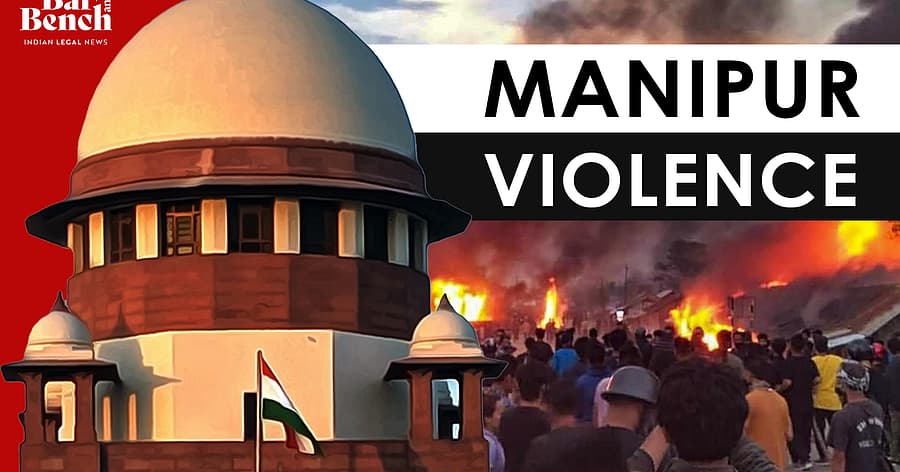
Supreme Court: Orders Manipur Relief Camp Deaths Report on 25 Fatalities
Summary
- The Supreme Court has ordered the Manipur Chief Secretary to report on 25 unnatural deaths in relief camps for victims of the 2023 violence.
- The report must include post-mortem findings, causes of death, and preventive steps taken in all internally displaced people camps.
- This directive was issued by a bench including CJI Surya Kant as part of broader petitions concerning the Manipur ethnic clashes.
- The violence stemmed from tensions over the Meitei community's demand for Scheduled Tribe status, following a now-recalled Manipur High Court order from April 2023.
Judicial Intervention in Manipur
The Supreme Court's demand for a Supreme Court Manipur relief camp deaths report signifies a critical step towards ensuring state accountability for the welfare of its citizens, particularly those displaced by conflict.
The Supreme Court of India has issued a significant directive to the Manipur Chief Secretary, demanding a comprehensive report concerning 25 unnatural deaths that occurred in relief camps established for victims of the 2023 Manipur violence. This order, delivered by a bench comprising Chief Justice of India Surya Kant, Justice Joymalya Bagchi, and Justice V Mohana, underscores the judiciary's focus on the humanitarian crisis unfolding in the state. The directive specifically mandates the Chief Secretary to provide details on all 25 fatalities, which were initially brought to public attention through newspaper reports.
The Court's order is precise in its requirements. It calls for the submission of post-mortem reports for each of the 25 unnatural deaths, aiming to identify the exact cause of these fatalities. Furthermore, the Chief Secretary is instructed to outline the preventive measures already implemented to avert similar incidents in the future. The directive also extends to detailing the steps taken within all camps housing internally displaced people (IDP camps) across Manipur, ensuring that safety and well-being are prioritized for those affected by the widespread ethnic clashes.
Roots of the Conflict
The Supreme Court's intervention comes amidst a broader legal and social landscape marked by intense ethnic strife in Manipur throughout 2023. The violence originated from deep-seated tensions surrounding the demand for Scheduled Tribes (ST) status for the majority Meitei community. This aspiration faced strong opposition from various other tribal groups already recognized under the ST category, fearing potential impacts on their land rights and affirmative action benefits.
A pivotal moment that exacerbated these tensions was an order issued by the Manipur High Court on April 19, 2023. This directive instructed the state government to “consider inclusion of the Meetei/Meitei community in the Scheduled Tribe list, expeditiously, preferably within a period of four weeks.” This ruling acted as a catalyst, sparking widespread and violent ethnic clashes primarily between the Meitei and Kuki–Zo communities across the state. Significantly, in 2024, the Manipur High Court subsequently recalled this controversial April 2023 directive, acknowledging its role in the escalating conflict. The Supreme Court's current order is part of a larger batch of petitions addressing the investigation, protection, relief, and rehabilitation of all individuals impacted by these devastating Manipur ethnic clashes relief camps.
Accountability and Precedent
The Supreme Court's demand for a Supreme Court Manipur relief camp deaths report signifies a critical step towards ensuring state accountability for the welfare of its citizens, particularly those displaced by conflict. By specifically requesting information on Manipur Chief Secretary unnatural deaths and preventive measures in internally displaced people camps India, the Court is signaling heightened judicial scrutiny over the conditions and management of these humanitarian shelters. This directive, issued by the bench including CJI Surya Kant Manipur order, could establish an important precedent for how authorities are expected to manage and report on crises involving vulnerable populations.
This judicial oversight is crucial for human rights advocates and legal practitioners, as it underscores the judiciary's role in upholding fundamental rights even amidst civil unrest. The detailed nature of the report sought—including post-mortem findings and preventive steps—aims to not only address past failures but also to compel proactive measures for future safety. The outcome of this report and subsequent judicial actions could influence policy reforms and potentially lead to further legal actions, reinforcing the state's obligation to protect its citizens and provide adequate relief during times of crisis.
Practical Implications
Lawyers involved in human rights, public interest litigation, or advising government bodies should closely monitor the Manipur Chief Secretary's report. This directive signals heightened judicial scrutiny over state accountability for conditions in relief camps and could set precedents for addressing humanitarian crises and human rights violations in similar contexts, potentially leading to further legal actions or policy reforms.
Source
How does this affect you?
Get an AI analysis of this article grounded in your jurisdictions, practice areas, and any policy documents you've uploaded to Wansom.
Finish Reading the Full Story and the Expert Analysis.
Get the latest legal & regulatory intelligence in India
Wansom is AI and can make mistakes.