
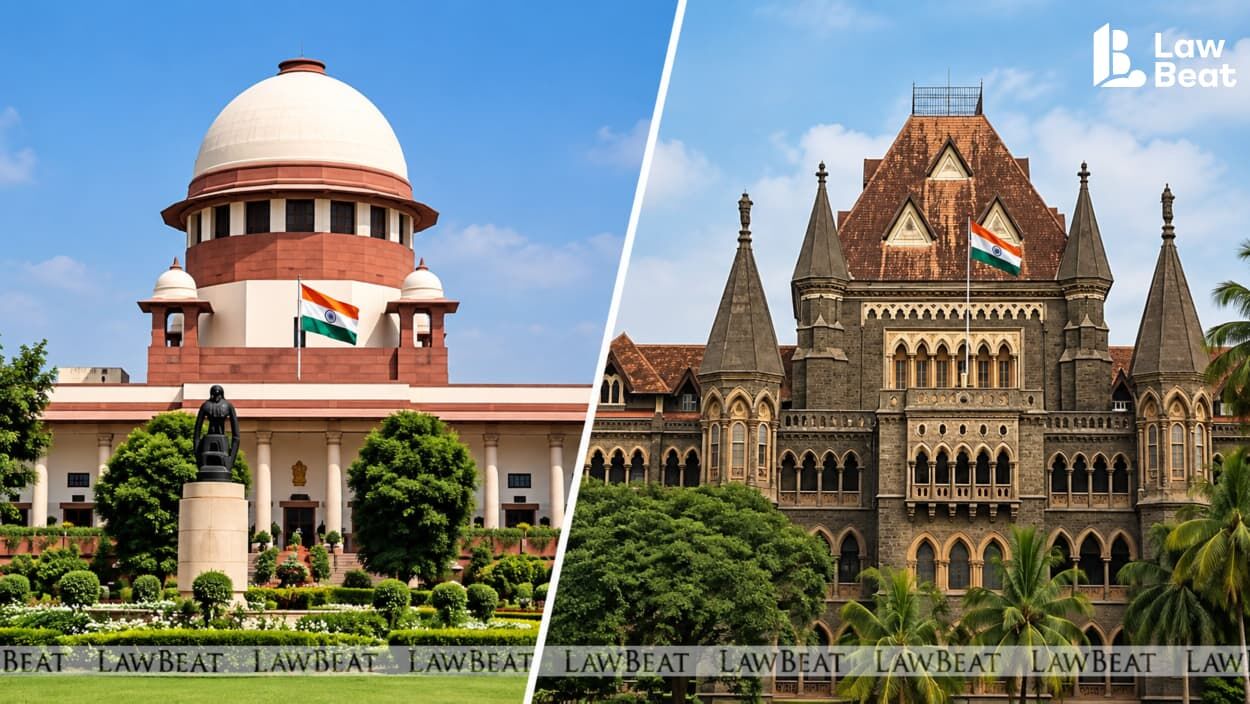
Supreme Court: No Stay on Dilip Ghumare Contempt by Bombay High Court
Summary
- The Supreme Court declined to stay contempt proceedings against Maharashtra Law and Judiciary Department Secretary Dilip S. Ghumare.
- Ghumare, a judicial officer, is accused of an aggressive outburst and shouting at the Bombay High Court during a hearing on September 1.
- The Bombay High Court found Ghumare's conduct constituted contempt ex facie under Article 215 of the Constitution and Section 2(c) of the Contempt of Courts Act, 1971.
- The Supreme Court issued notice on Ghumare's plea and directed the Bombay High Court not to issue a final order before September 28.
- Both the Supreme Court and Bombay High Court emphasized that Ghumare's alleged actions were "gross indiscipline" and "wholly unpardonable," rejecting an apology offered on his behalf.
Supreme Court Upholds Contempt Action Against Judicial Officer
This development serves as a critical reminder for all legal professionals and public servants about the paramount importance of maintaining respect for judicial authority and the potential for severe consequences when that respect is breached.
The Supreme Court of India recently declined to halt contempt proceedings initiated by the Bombay High Court against Dilip S. Ghumare, the Secretary of the Maharashtra Law and Judiciary Department. Ghumare, who also serves as a judicial officer, faces allegations of an aggressive outburst during a court hearing. While refusing to stay the ongoing contempt action, a bench comprising Justices Vikram Nath and Sandeep Mehta did issue a notice regarding Ghumare’s challenge to the proceedings. The apex court further directed the Bombay High Court to refrain from issuing a final order in the matter until September 28, when the case is scheduled for further consideration.
During the hearing, the Supreme Court made pointed observations concerning Ghumare’s alleged conduct. Justice Sandeep Mehta remarked, "Let him repent. This is gross indiscipline," underscoring the severity of the situation. The bench collectively asserted that a judicial officer is not permitted to shout at the High Court, questioning Ghumare's decision to resign following the incident rather than tendering an unconditional apology. The Court also suggested that an individual unable to control their temper is "not fit for judicial service," highlighting the strict standards of judicial ethics expected from those in such positions.
The Bombay High Court Incident and Contempt Finding
The contempt proceedings against Ghumare originated from an incident on September 1 before a Division Bench of the Bombay High Court, consisting of Justices A.S. Gadkari and Kamal Khata. The bench was then presiding over an interim application within a 2013 public interest litigation, which focused on the establishment and staffing of Fast Track Courts, particularly those handling cases involving women and minor girls, and earlier directives concerning judicial vacancies. During these proceedings, the High Court reviewed an additional affidavit, dated August 27, 2026, which indicated the creation of 179 new Fast Track Court positions.
When the Additional Government Pleader struggled to clarify certain averments in the affidavit, the court directed its questions to Ghumare, who was present and had been involved with the State's affidavits. According to the Bombay High Court's September 1 order, Justice Khata asked Ghumare to explain the situation and identify the drafter of the affidavit. Ghumare allegedly responded in an "aggressive, high-pitched tone (bordering to shouting)," reportedly blaming the High Court administration and stating that it was "responsible for not filling up the 179 posts." The High Court took serious exception to this manner of address, especially given that it occurred in a packed courtroom.
The Bombay High Court concluded that Ghumare's alleged "unwarranted outburst and aggressive demeanour," openly displayed while he attempted to justify his affidavits, not only "scandalised the Court" but also undermined and sought to diminish its authority. This conduct was deemed to constitute contempt ex facie under Article 215 of the Constitution, read in conjunction with Section 2(c) of the Contempt of Courts Act, 1971. Despite an apology offered on Ghumare’s behalf, the Bombay High Court rejected it as insufficient to absolve the alleged misconduct, describing the behavior as "wholly unpardonable" and "outrageous," and noting that condoning such actions through a mere apology could imply impunity.
Upholding Court Decorum and Judicial Accountability
This case underscores the stringent requirements for court decorum and the severe repercussions for contempt, particularly when involving judicial officers in India. The Supreme Court's firm stance, refusing to entirely halt the contempt proceedings and making strong remarks about Ghumare's fitness for judicial service, sends a clear message regarding judicial ethics and the sanctity of court proceedings. The incident highlights that even apologies may not suffice to mitigate actions deemed "gross indiscipline" or those that "scandalise the court," especially when committed by individuals holding positions of legal authority like a Maharashtra Law Secretary.
The legal framework invoked, specifically Article 215 of the Constitution and Section 2(c) of the Contempt of Courts Act, 1971, provides the basis for courts to protect their authority and dignity. The Bombay High Court's decision to reject the apology, characterizing the conduct as "outrageous," reinforces the principle that judicial officers are held to an exceptionally high standard of conduct. This development serves as a critical reminder for all legal professionals and public servants about the paramount importance of maintaining respect for judicial authority and the potential for severe consequences when that respect is breached.
Practical Implications
This development underscores the strict standards of court decorum and the severe consequences of contempt, even for judicial officers. Lawyers and compliance officers must advise clients, particularly public servants, on the critical importance of maintaining respect for judicial authority, as apologies may not mitigate 'gross indiscipline' or 'scandalizing the court'.
Source
How does this affect you?
Get an AI analysis of this article grounded in your jurisdictions, practice areas, and any policy documents you've uploaded to Wansom.
Finish Reading the Full Story and the Expert Analysis.
Wansom is AI and can make mistakes.