
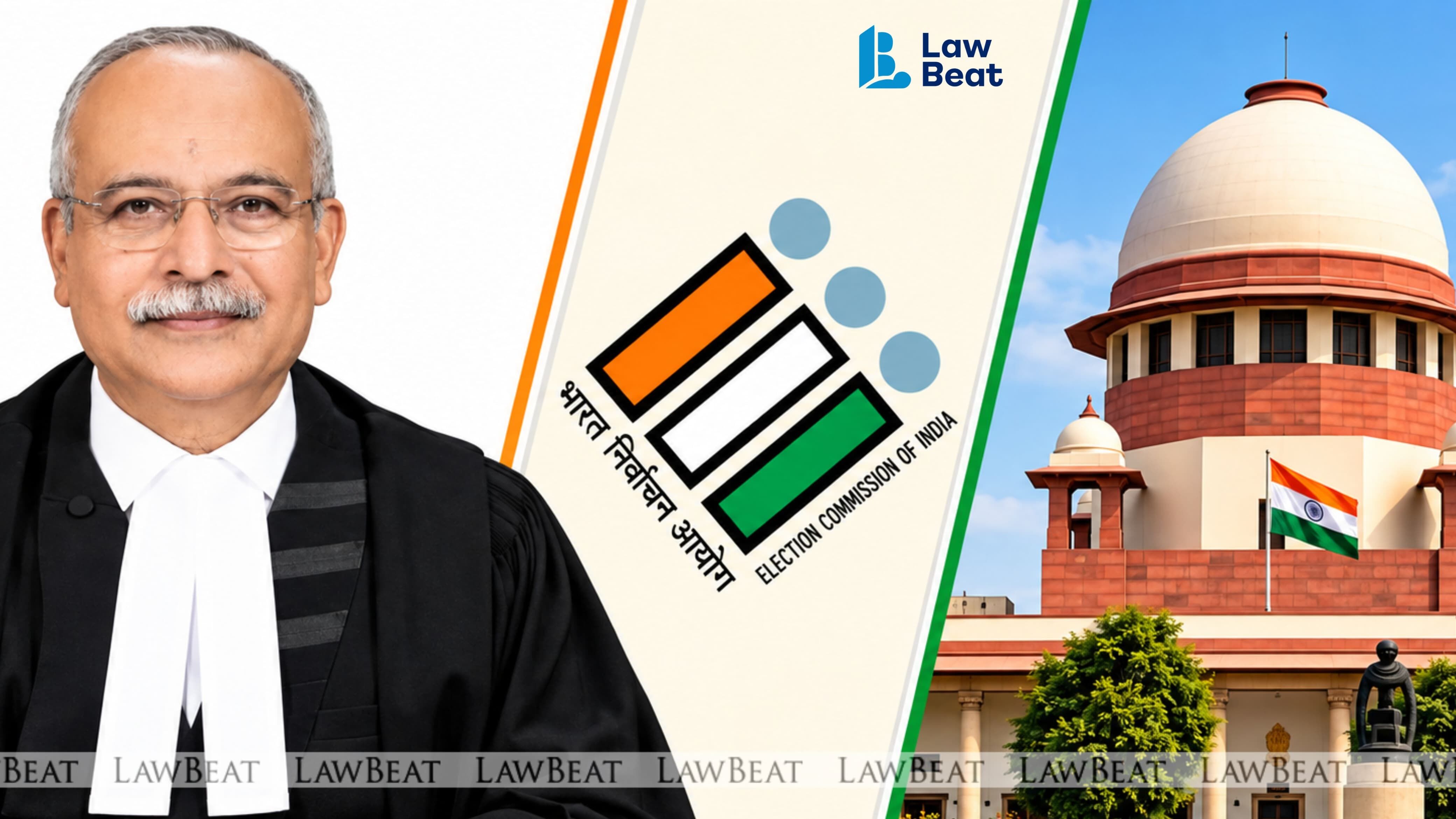
Supreme Court: Curative Plea Alleges Justice Sharma Bias Over ECI Act
Summary
- A curative petition has been filed in the Supreme Court challenging a September 23, 2026 order concerning the ECI appointment Act, 2023.
- The petition alleges a reasonable apprehension of bias against Justice Satish Chandra Sharma, who was part of the bench that issued the order.
- This apprehension stems from the fact that Justice Sharma's son, Siddharth Sharma, serves as Standing Counsel for the Election Commission of India.
- The petitioner became aware of this connection only after news reports on September 25, 2026, and subsequently verified it.
- The plea invokes constitutional provisions and Supreme Court rules, arguing that the judgment is vitiated by the alleged judicial bias apprehension India.
What Happened
The outcome of this curative petition could set an important precedent regarding the standards of judicial conduct and disclosure in high-profile constitutional cases, reinforcing public trust in the judiciary.
A curative petition has been lodged with the Supreme Court, seeking to overturn its order issued on September 23, 2026. This order stemmed from a batch of cases challenging the constitutional validity of Sections 7 and 8 of the Chief Election Commissioner and Other Election Commissioners (Appointment, Conditions of Service and Term of Office) Act, 2023. The petitioner, represented by Advocate-on-Record Varun Thakur, asserts a "reasonable apprehension of bias" concerning Justice Satish Chandra Sharma's participation in the bench that delivered the September 23 judgment.
The core of the petitioner's concern revolves around Justice Sharma's son, Siddharth Sharma, who serves as the Standing Counsel for the Election Commission of India (ECI) before the Madhya Pradesh High Court. This professional connection, which began on July 10, 2024, was reportedly unknown to the petitioner until news reports surfaced on September 25, 2026. Following these reports, the petitioner verified Siddharth Sharma's role through the Madhya Pradesh High Court website, confirming his representation of the ECI. The petition argues that Justice Sharma should have recused himself from proceedings directly challenging the very statutory framework governing the appointment of election commissioners, given his son's active role representing the ECI.
Legal Basis for Bias Claim
The curative petition is filed under the provisions of Article 32 and Article 142 of the Constitution, alongside Order XLVIII Rule 1 of the Supreme Court Rules, 2013. This procedural avenue, established by the principles articulated in Rupa Ashok Hurra v. Ashok Hurra, allows for a review of judgments in exceptional circumstances, including those where a fundamental miscarriage of justice is alleged. The petitioner contends that the presence of Justice Sharma on the bench, under these circumstances, vitiates the September 23 judgment and order.
Central to the argument is the concept of judicial bias apprehension in India. The petition invokes several tests developed by the Supreme Court to determine whether such an apprehension is reasonable. These include assessing if an undisclosed connection between a judge and a party or the subject matter creates a reasonable suspicion of bias, whether there is a real likelihood of bias, and crucially, whether the situation would lead a reasonably informed litigant or a fair-minded member of the public to question the judge's impartiality. The petitioner emphasizes that in cases of apparent bias, actual proof of prejudice is not a prerequisite; the existence of a reasonable apprehension is sufficient to undermine the integrity of the judicial process.
Significance of the Challenge
This Supreme Court curative plea regarding Justice Sharma's alleged bias underscores the critical importance of maintaining unquestionable judicial impartiality, particularly in matters of constitutional significance. The underlying challenge to the Chief Election Commissioner and Other Election Commissioners (Appointment, Conditions of Service and Term of Office) Act, 2023, specifically targets Sections 7 and 8, which govern the appointment process for the nation's top election officials. This legislation has been a subject of considerable public and legal debate, making the integrity of judicial review paramount.
Furthermore, the petition highlights that connected proceedings, initiated by Lok Prahari, have sought a writ of quo warranto to challenge the appointments of Gyanesh Kumar and Sukhbir Singh Sandhu as Election Commissioners. The confluence of these challenges with the ECI bias allegation against Justice Satish Chandra Sharma places a spotlight on the principle that justice must not only be done but must also be seen to be done. The outcome of this curative petition could set an important precedent regarding the standards of judicial conduct and disclosure in high-profile constitutional cases, reinforcing public trust in the judiciary.
Practical Implications
This development highlights the critical importance of judicial impartiality and the grounds for challenging judgments based on a 'reasonable apprehension of bias.' Lawyers should note the procedural avenue of a curative petition for addressing such concerns, particularly when conflicts of interest emerge post-judgment, and be prepared to scrutinize judicial conduct in high-stakes constitutional matters.
Source
How does this affect you?
Get an AI analysis of this article grounded in your jurisdictions, practice areas, and any policy documents you've uploaded to Wansom.
Finish Reading the Full Story and the Expert Analysis.
Get the latest legal & regulatory intelligence in India
Wansom is AI and can make mistakes.