
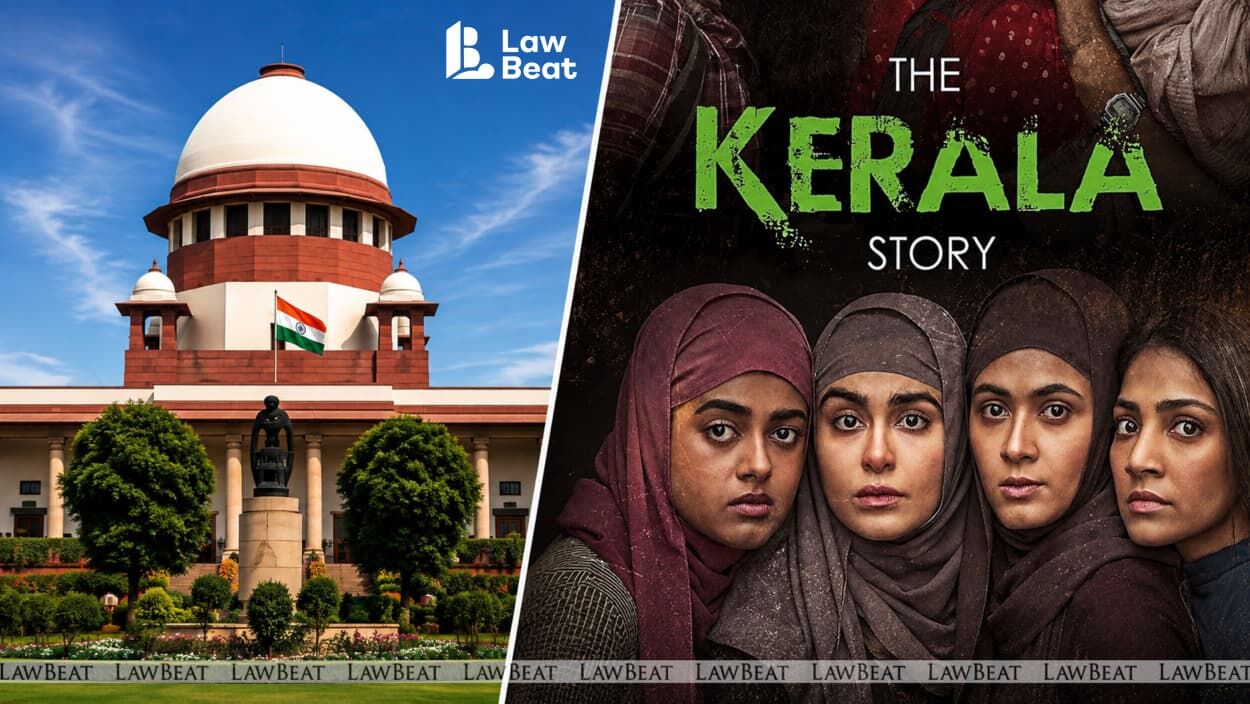
Supreme Court Closes Kerala Story Petition: No Ban on Movie
Summary
- The Supreme Court has closed the 2023 petition filed against the movie 'The Kerala Story'.
- The plea was originally filed by the producers of the film, challenging West Bengal's decision to ban the screening of the movie.
- The court had stayed the order of the West Bengal Government banning the screening of the movie after observing that there was no reason for West Bengal to ban the film when it was successfully running throughout India.
- The case highlights the complex legal landscape surrounding hate speech laws in Indian movies.
- The Supreme Court's decision may set a precedent for future cases involving similar controversies.
The Kerala Story Petition Dismissed by Supreme Court
The court had asked the West Bengal and Tamil Nadu governments to explain why the movie could not be exhibited in their states, despite being run smoothly across the country.
In a recent development, the Supreme Court has closed the 2023 petition filed against the movie 'The Kerala Story'. The plea was originally filed by the producers of the film, challenging West Bengal's decision to ban the screening of the movie. The court had earlier stayed the order of the West Bengal Government banning the screening of the movie after observing that there was no reason for West Bengal to ban the film when it was successfully running throughout India.
The case has been ongoing since 2023, with multiple parties involved, including the filmmakers Sunshine Pictures Pvt Ltd and producer Vipul Amrutlal Shah. The court had asked the West Bengal and Tamil Nadu governments to explain why the movie could not be exhibited in their states, despite being run smoothly across the country.
The controversy surrounding 'The Kerala Story' revolves around its depiction of 'Love Jihad', where young Hindu and Christian girls are entrapped for conversion to Islam. The film has stirred up protests from fringe organisations, who perceive it as a poor depiction of Islam and its clerics.
Legal Context: Hate Speech Laws in Indian Movies
The Supreme Court's closure of the petition may have significant implications for lawyers and compliance officers. The court's decision to dispose of all proceedings related to the movie 'The Kerala Story' may potentially trigger hate speech laws, which could impact clients' freedom to exhibit or distribute content deemed controversial. Lawyers and compliance officers should monitor future developments in this case and be prepared to advise clients on potential compliance exposures.
In 2023, the Supreme Court had stayed the order of the West Bengal Government banning the screening of the movie after observing that there was no reason for West Bengal to ban the film when it was successfully running throughout India. The court had asked the West Bengal and Tamil Nadu governments to explain why the movie could not be exhibited in their states.
The case highlights the complex legal landscape surrounding hate speech laws in Indian movies. The court's decision may set a precedent for future cases involving similar controversies.
Why It Matters: Free Speech vs Hate Speech
The Supreme Court's closure of the petition raises important questions about free speech versus hate speech. The movie 'The Kerala Story' has been at the center of controversy, with some arguing that it promotes hate speech and others defending its right to be exhibited. The court's decision may have significant implications for filmmakers, producers, and distributors who deal with sensitive content.
Advocate Nizam Pasha had raised concerns about hate speech being spread by the movie, which is still available on OTT platforms. However, the bench asked him to file a separate petition raising such issues. The case highlights the need for clear guidelines against hate speech in movies and the importance of protecting free speech.
The Supreme Court's decision may also have implications for other cases involving similar controversies. Lawyers and compliance officers should be aware of the potential impact on their clients' businesses and be prepared to advise them accordingly.
Practical Implications
Lawyers and compliance officers should be aware that the Supreme Court's closure of this petition may impact their clients' freedom to exhibit or distribute content deemed controversial, potentially triggering hate speech laws. They should monitor future developments in this case and be prepared to advise clients on potential compliance exposures.
Source
How does this affect you?
Get an AI analysis of this article grounded in your jurisdictions, practice areas, and any policy documents you've uploaded to Wansom.
Wansom is AI and can make mistakes.