
Supreme Court: Roadside Land Consolidation UP Protects Original Holders
Summary
- The Supreme Court ruled that commercially valuable roadside plots should generally be excluded from land consolidation proceedings in Uttar Pradesh.
- If included, such plots must be allotted to their original tenure holders, not to third parties without prior rights.
- This decision reinforces Section 19 of the Uttar Pradesh Consolidation of Holdings Act, 1953, which aims to protect original owners' prime land.
- The ruling stemmed from a case in Basti, Uttar Pradesh, where original tenure holders were displaced from roadside land.
- The Court emphasized that statutory provisions and administrative guidelines support original tenure holders retaining valuable land.
Supreme Court Clarifies Land Consolidation Rules
Lawyers advising on land consolidation in Uttar Pradesh must now consider this precedent, which significantly strengthens the position of original tenure holders.
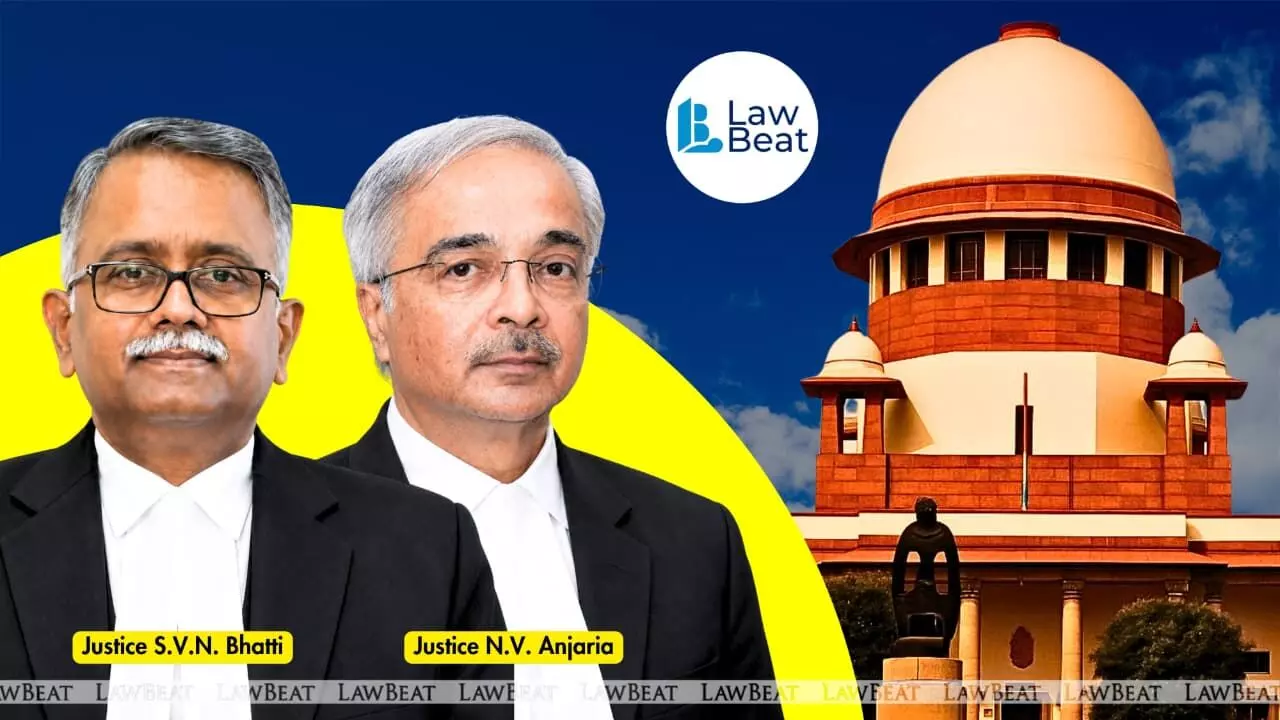
The Supreme Court has issued a significant clarification regarding the allocation of commercially valuable roadside plots during land consolidation proceedings in Uttar Pradesh. A bench comprising Justices S V N Bhatti and N V Anjaria affirmed that original tenure holders should not be dispossessed of such prime land. The ruling specifies that plots with high commercial value, particularly those situated roadside, should generally be excluded from consolidation processes. If these plots are included, they must be assigned to their original owners, rather than to third parties who lack any pre-existing rights to the land.
This directive from the Supreme Court roadside land consolidation UP proceedings underscores the principle that the primary objective of consolidation, as outlined in Section 19 of the Uttar Pradesh Consolidation of Holdings Act, 1953, is not to divest original tenure holders of their valuable property by reallocating it to individuals without prior claims. The Court emphasized that both statutory provisions and administrative guidelines consistently support the right of tenure holders to retain their original land, especially when it possesses substantial commercial value. This decision provides crucial guidance for the equitable conduct of land consolidation proceedings Supreme Court.
The Specifics of the Dispute
The Supreme Court's pronouncement arose from an appeal filed by Rama Pandey and others, challenging an Allahabad High Court judgment. The core of the dispute involved a specific plot located in the village of Barahpur Pandey, within Pargana Amorha, Tehsil Harraiya, and District Basti, Uttar Pradesh. Consolidation operations in this village commenced on October 12, 1973, initiated under Section 4(2) of the Uttar Pradesh Consolidation of Holdings Act, 1953. The land in question was subsequently incorporated into the Statement of Principles, which was prepared on October 12, 1974.
Notices inviting objections under Section 9 of the Act were issued on October 30, 1974, though no objections were reportedly received. A provisional Consolidation Scheme was then published on April 3, 1978. Under this scheme, the Assistant Consolidation Officer proposed the creation of chaks, or consolidated land holdings, and allotted portions of the disputed land to the appellants, who admittedly held no pre-existing rights to it. Possession of these allotted chaks was delivered to the allottees on April 28, 1982. The original tenure holders, who were the respondents in the case, subsequently raised objections to their displacement from the roadside land and the allotment of these commercial value roadside plots to others.
The procedural journey of the case saw the Assistant Director of Consolidation, Basti, allowing the respondents' revision petitions on January 13, 1986, which led to the setting aside of the initial allotment scheme and a remand of the matter to the Consolidation Officer for fresh allocation of chaks. The authority at that time recognized that the roadside land had been irregularly assigned, thereby infringing upon the rights of the original plot holders. However, following this remand, the Consolidation Officer, through an order dated June 6, 1992, once again confirmed the allotment in favor of the appellants. Dissatisfied, the respondents then approached the Settlement Officer of Consolidation (SOC), Basti. A spot inspection by the SOC confirmed that the disputed land abutted the main road and that the original tenure holders had not been appropriately accommodated in the allotment. Consequently, on September 18, 1992, the SOC ruled that the inclusion of the disputed land in the consolidation proceedings was contrary to established procedures and government circulars. The Supreme Court ultimately upheld the High Court's decision, which had previously set aside an order affirming the allotment to those without original rights, thereby reinforcing the SOC's findings.
Implications for Land Consolidation in Uttar Pradesh
This definitive ruling from the Supreme Court roadside land consolidation UP proceedings carries substantial weight for future land consolidation efforts across the state. It firmly establishes that the rights of original tenure holders India, particularly concerning commercially valuable land, must be prioritized. The Court's emphasis on Section 19 UP Consolidation Act ensures that the process of consolidating land holdings does not become a mechanism for dispossessing rightful owners of their most valuable assets.
Lawyers advising on land consolidation in Uttar Pradesh must now consider this precedent, which significantly strengthens the position of original tenure holders. The judgment makes it considerably more challenging for commercially valuable roadside plots allotment to be made to third parties who do not possess prior rights. This provides a robust legal basis for original owners to challenge or prevent their displacement from prime land during land consolidation proceedings Supreme Court, ensuring that the spirit of the Uttar Pradesh Consolidation of Holdings Act, 1953, is upheld in practice.
Practical Implications
Lawyers advising on land consolidation in Uttar Pradesh must note this Supreme Court precedent, which strengthens the rights of original tenure holders over commercially valuable roadside plots, making it difficult for such land to be allotted to third parties. This ruling provides a basis to challenge or prevent the displacement of original owners from prime land during consolidation proceedings.
Source
How does this affect you?
Get an AI analysis of this article grounded in your jurisdictions, practice areas, and any policy documents you've uploaded to Wansom.
Finish Reading the Full Story and the Expert Analysis.
Get the latest legal & regulatory intelligence in India
Wansom is AI and can make mistakes.