
Supreme Court Forms Three-Judge Committee for Cause List Sequencing
Summary
- The Supreme Court has formed a three-judge committee to examine cause list sequencing concerns raised by lawyers.
- The committee will consider measures for simplification of causelists and uniformity in taking up cases in seriatim.
- The registrar (judicial listing) will assist the committee, which has been tasked with examining ways to simplify cause lists and bring greater uniformity to the order in which cases are taken up.
Cause List Sequencing Concerns Spark Supreme Court Action
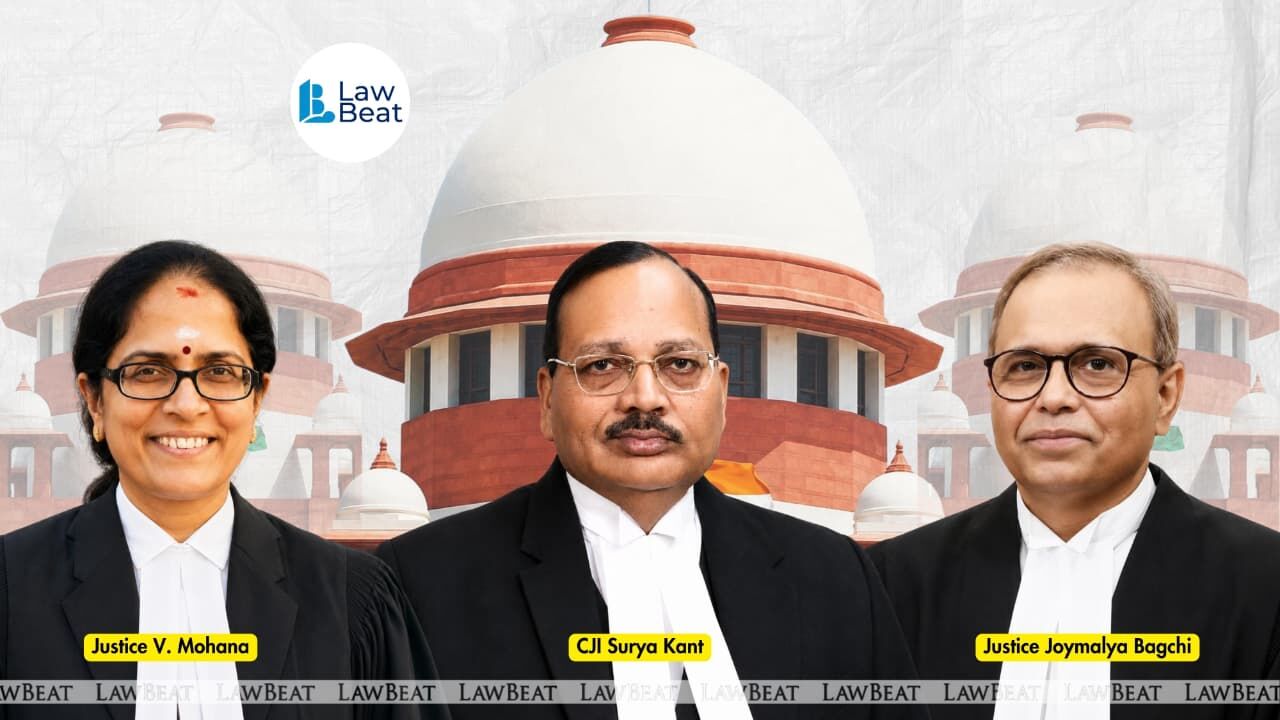
The Supreme Court has constituted a three-judge committee, comprising Justices Vikram Nath, PS Narasimha and V Mohana, to examine cause list sequencing concerns raised by the Bar.
The Supreme Court has taken steps to address concerns raised by lawyers regarding the sequencing of cases in its daily cause list. The issue has been a long-standing one, with lawyers often facing difficulties due to last-minute changes in the sequence. This can lead to confusion and inconvenience for both lawyers and litigants. In response to these concerns, the Supreme Court has formed a three-judge committee to examine ways to simplify cause lists and bring greater uniformity to the order in which cases are taken up.
Legal Context: A History of Cause List Sequencing
The issue of cause list sequencing is not new to the Supreme Court. In fact, it has been a subject of discussion among judges and lawyers for some time now. The Full Court had already deliberated on this matter before constituting the three-judge committee. According to an office order issued on July 28, the committee comprises Justices Vikram Nath, Justice PS Narasimha, and Justice V Mohana. The Registrar (Judicial Listing) will also assist the committee in its work.
Why It Matters: Potential Changes Ahead
The formation of this committee is significant because it has the potential to bring about changes to the daily cause list sequence. This could impact lawyers' ability to plan and prepare for hearings, as well as their overall performance in court. Compliance officers may also want to review internal procedures for managing last-minute changes to ensure they are aligned with any new rules or guidelines that may be implemented as a result of this committee's recommendations.
Practical Implications
Lawyers should watch for potential changes to the daily cause list sequence, which could impact their ability to plan and prepare for hearings. Compliance officers may want to review internal procedures for managing last-minute changes to ensure they are aligned with any new rules or guidelines that may be implemented as a result of this committee's recommendations.
Source
How does this affect your business?
Get an AI analysis of this article grounded in your jurisdictions, practice areas, and any policy documents you've uploaded to Wansom.
Wansom is AI and can make mistakes.