
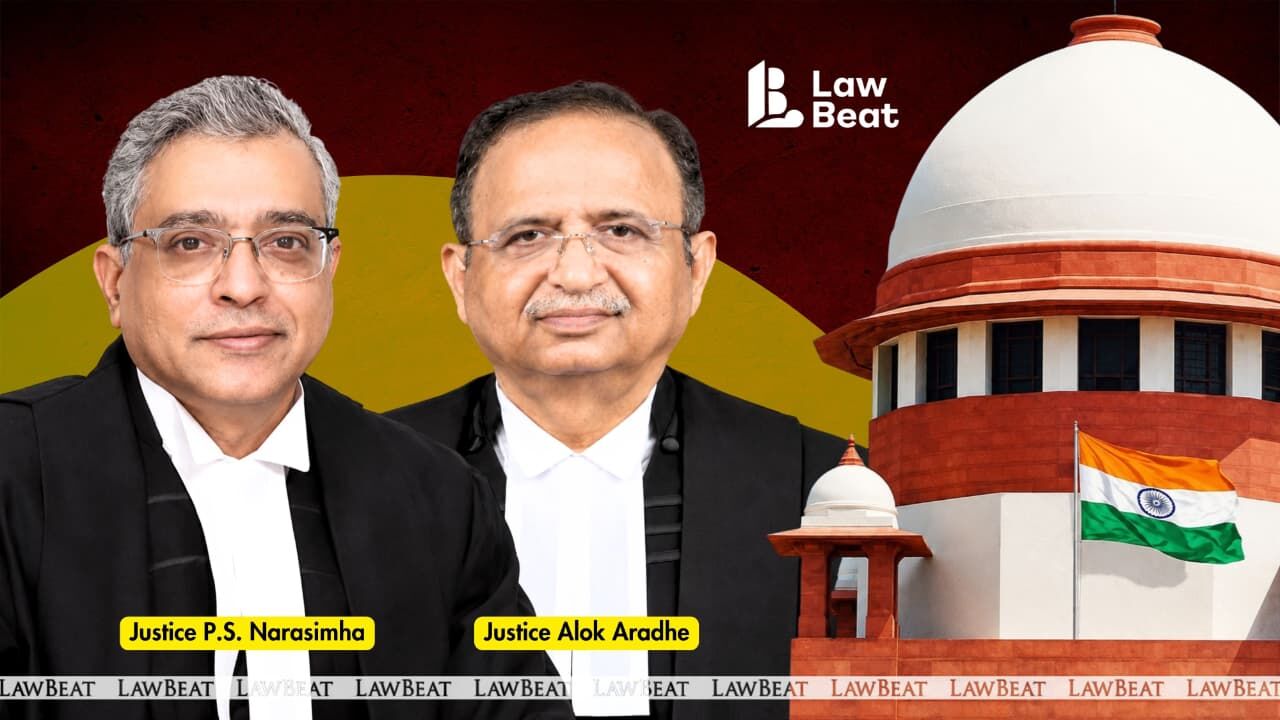
Supreme Court: Prohibits Mid-Course Professional Course Fee Revision in India
Summary
- The Supreme Court ruled that professional course fees cannot be revised midstream for admitted students.
- Fees must generally be notified for the entire course duration before admissions begin.
- Mid-course fee revisions are only allowed in exceptional, unforeseen circumstances.
- The ruling emphasizes financial certainty for students and promotes transparency in higher education.
- Fee fixation committees, as regulatory bodies, must operate efficiently and transparently.
Supreme Court Curbs Mid-Course Fee Hikes
The Court articulated that individuals embarking on a four or five-year professional program should have clear knowledge of their total financial commitment from the outset.
India's Supreme Court has delivered a significant ruling, prohibiting self-financing professional education institutions from unilaterally increasing fees for students already enrolled in a course. The apex court clarified that while fee structures for professional courses must generally be established and communicated before the admission process begins, revisions during a student's tenure are permissible only under exceptional and unforeseen circumstances, such as an unexpected rise in operational costs. This decision underscores the judiciary's commitment to ensuring financial predictability for students and their families.
The ruling stemmed from an appeal filed by Dr B C Roy Engineering College, which challenged a Calcutta High Court judgment concerning the midstream revision of fees. The Supreme Court affirmed the High Court's core finding that fees determined at the commencement of a course cannot be altered once students have been admitted. However, the higher court diverged from the High Court's reasoning, stating that applying principles of equity and estoppel against the college based on its admission brochure was not legally sustainable.
Regulatory Framework for Fee Determination
The Court's decision is deeply rooted in existing regulatory provisions, particularly Regulation 7 of the All India Council for Technical Education (Norms and Guidelines for Fees and Guidelines for Admission in Professional Colleges) Regulations, 1994. This regulation mandates a structured fee fixation process, typically overseen by State Level Committees, which are expected to conduct periodic reviews. These revisions are to be based on audited recurring expenditure figures and projected financial requirements, with institutions required to disclose the full course fee before the academic year commences.
Furthermore, the Supreme Court referenced its landmark judgments in TMA Pai Foundation v State of Karnataka (2002) and P A Inamdar v State of Maharashtra (2005). These precedents established that fee fixation committees, tasked with determining appropriate charges for professional institutions, must possess institutional status. The Court emphasized that these committees function as virtual regulatory bodies, performing a crucial public service, and must therefore operate with efficiency, expertise, and integrity, with their actions subject to judicial review.
Ensuring Financial Predictability for Students
A central tenet of the Supreme Court's judgment is the imperative of financial certainty for students pursuing higher education in professional fields. The Court articulated that individuals embarking on a four or five-year professional program should have clear knowledge of their total financial commitment from the outset. This advance determination of fees is crucial for promoting transparency, enabling students and their families to make informed choices, and facilitating sound financial planning for the entire duration of the course.
The Bench highlighted the delicate balance required in fee determination for professional education. It acknowledged the need to reconcile the students' interest in predictable financial obligations with the self-financing higher education institutions' requirement for adequate resources to maintain and deliver quality education. While acknowledging that some adjustments might be necessary, the Court firmly stated that variations in fees during a course's subsistence are only permissible in truly exceptional circumstances, such as an unforeseen increase in expenditure.
Broader Implications for Higher Education Governance
This ruling reinforces principles of good governance and fair regulation within India's professional education sector. By mandating upfront fee notification and restricting arbitrary mid-course revisions, the Supreme Court aims to instill greater accountability among higher education institutions. It also places a renewed emphasis on the critical role of fee fixation committees, stressing that these bodies, operating under statutory frameworks, perform vital public functions.
The Court underscored that these committees must operate with institutional efficiency and expertise to preempt unnecessary litigation and ensure a stable educational environment. Their effective functioning is paramount to upholding the public trust and ensuring that the interests of both students and institutions are fairly represented and balanced. This judgment serves as a clear directive for all stakeholders in the professional education landscape regarding fee determination and transparency.
Practical Implications
Lawyers advising higher education institutions (HEIs) in India must counsel clients to establish and notify fee structures for the *entire duration* of professional courses *before* admissions commence, adhering strictly to AICTE regulations. Revisions are permissible only in exceptional, unforeseen circumstances. Compliance officers in HEIs should immediately review their fee determination and notification processes to ensure alignment with this judgment, mitigating potential legal challenges from students.
Source
How does this affect you?
Get an AI analysis of this article grounded in your jurisdictions, practice areas, and any policy documents you've uploaded to Wansom.
Finish Reading the Full Story and the Expert Analysis.
Get the latest legal & regulatory intelligence in India
Wansom is AI and can make mistakes.