
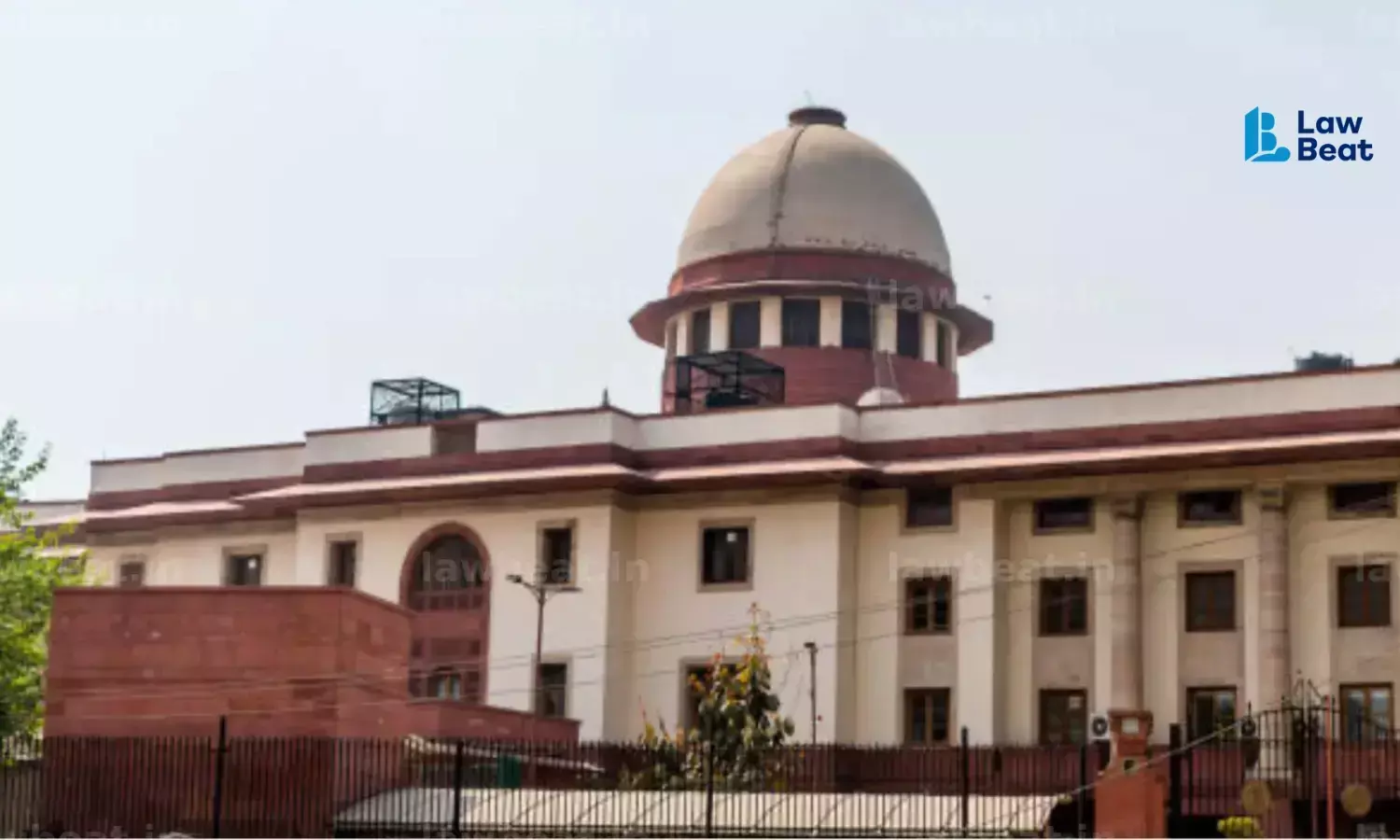
Supreme Court: Rajasthan SEC Cannot Block Civil Society Voter Awareness
Summary
- The Supreme Court overturned the Rajasthan State Election Commission's denial of permission for civil society groups to conduct voter awareness campaigns.
- The Court mandated the Rajasthan SEC to reconsider the activists' request within 48 hours, asserting that election bodies cannot monopolize voter education.
- Justices emphasized that non-partisan voter awareness efforts by civil society should be encouraged, even when election authorities run their own programs.
- The SEC had initially rejected the requests, citing the proximity of elections and concerns about potential partisan influence, which the Court dismissed.
- The ruling clarifies that while the SEC can regulate corrupt practices, it cannot claim exclusive domain over informing voters about their democratic rights and choices like NOTA.
Supreme Court Upholds Citizen Participation
The Supreme Court unequivocally stated that election commissions cannot assert exclusive control over voter awareness initiatives, emphasizing the right of civil society organizations to participate in educating the electorate.
The Supreme Court of India recently intervened to affirm the crucial role of civil society in democratic processes, specifically in voter awareness. A bench comprising Chief Justice of India Surya Kant, Justice Joymalya Bagchi, and Justice V Mohana set aside a decision by the Rajasthan State Election Commission (SEC) that had denied a civil society group permission to conduct voter awareness campaigns. This ruling underscores a fundamental principle: election authorities cannot claim a monopoly over educating the electorate.
The apex court issued a clear directive to the Rajasthan SEC, instructing it to re-evaluate the activists' application within a strict 48-hour timeframe. During the proceedings, Justice Bagchi notably remarked, "Everyone has a right to go for voter awareness. You should welcome it," highlighting the judiciary's stance on encouraging broader participation. The Court stressed that initiatives undertaken by non-governmental organizations to inform voters should be fostered rather than curtailed, even if the official election bodies are simultaneously running similar programs.
The Genesis of the Legal Challenge
The legal dispute originated when a group of activists sought authorization from the Rajasthan State Election Commission to carry out voter awareness campaigns in anticipation of upcoming local body elections. Their objective was to engage citizens and enhance their understanding of democratic rights and responsibilities. However, the SEC rejected these requests, citing several reasons for its refusal.
Among the justifications provided by the Rajasthan SEC were the imminent approach of the elections, which it suggested could make the proposed activities susceptible to partisan influence. Furthermore, the Commission contended that it was already actively engaged in its own voter awareness initiatives, implying that external efforts were either redundant or potentially problematic. Representing the activists, Advocate Prashant Bhushan countered these arguments before the Supreme Court, asserting that the campaign was strictly non-partisan. He explained that its core purpose was to educate citizens, discourage the acceptance of money or other inducements for votes, and inform them about all available electoral choices, including the 'None of the Above' (NOTA) option.
Defining the Scope of Electoral Authority
The Supreme Court decisively rejected the Rajasthan SEC's arguments, particularly the notion that its own voter awareness programs could justify preventing other organizations from undertaking similar activities. Justice Bagchi clarified that while the Election Commission possesses the authority to regulate and prevent corrupt practices that might be disguised as voter awareness, it cannot claim exclusive control over such essential democratic functions. This distinction is crucial for understanding the boundaries of an election body's power.
Chief Justice of India Surya Kant also offered a pertinent observation, noting that voter awareness campaigns are typically expected to occur well in advance of elections. He cautioned that activities conducted too close to polling days could inadvertently create the impression of campaigning for a specific candidate, thereby blurring the lines between education and advocacy. The Court's ruling in the case, titled Aruna Roy vs Union of India, heard on November 2, 2026, serves as a significant precedent, reinforcing the principle that civil society plays a vital, complementary role in fostering an informed electorate, a role that electoral commissions are bound to respect and facilitate. The Supreme Court unequivocally stated that election commissions cannot assert exclusive control over voter awareness initiatives, emphasizing the right of civil society organizations to participate in educating the electorate.
Practical Implications
Lawyers advising civil society organizations or NGOs involved in election-related activities should note this precedent. It clarifies that election commissions cannot arbitrarily deny permission for non-partisan voter awareness campaigns, providing a basis to challenge such denials and ensure client participation in democratic processes.
Source
How does this affect you?
Get an AI analysis of this article grounded in your jurisdictions, practice areas, and any policy documents you've uploaded to Wansom.
Wansom is AI and can make mistakes.