
India Supreme Court: Legislative Privileges Questions Open After Infructuous Case
Summary
- The India Supreme Court's seven-judge bench disposed of a long-pending case concerning legislative privileges, deeming it infructuous.
- The case originated from a 2003 controversy where the Tamil Nadu Legislative Assembly sought to imprison journalists from The Hindu for a critical editorial.
- The Assembly's subsequent withdrawal of its resolution in 2004, though not immediately notified, led to the case's closure.
- Despite the disposal, the Court explicitly stated that fundamental constitutional questions regarding legislative privileges versus fundamental rights remain open for future adjudication.
- Intervention applications, including one from comedian Kunal Kamra facing privilege proceedings, highlighted the ongoing relevance of these unresolved legal issues.
Supreme Court Closes Long-Pending Privilege Case
The fundamental constitutional questions concerning the interplay between legislative privileges and citizens' fundamental rights remain open and unresolved by the Supreme Court.
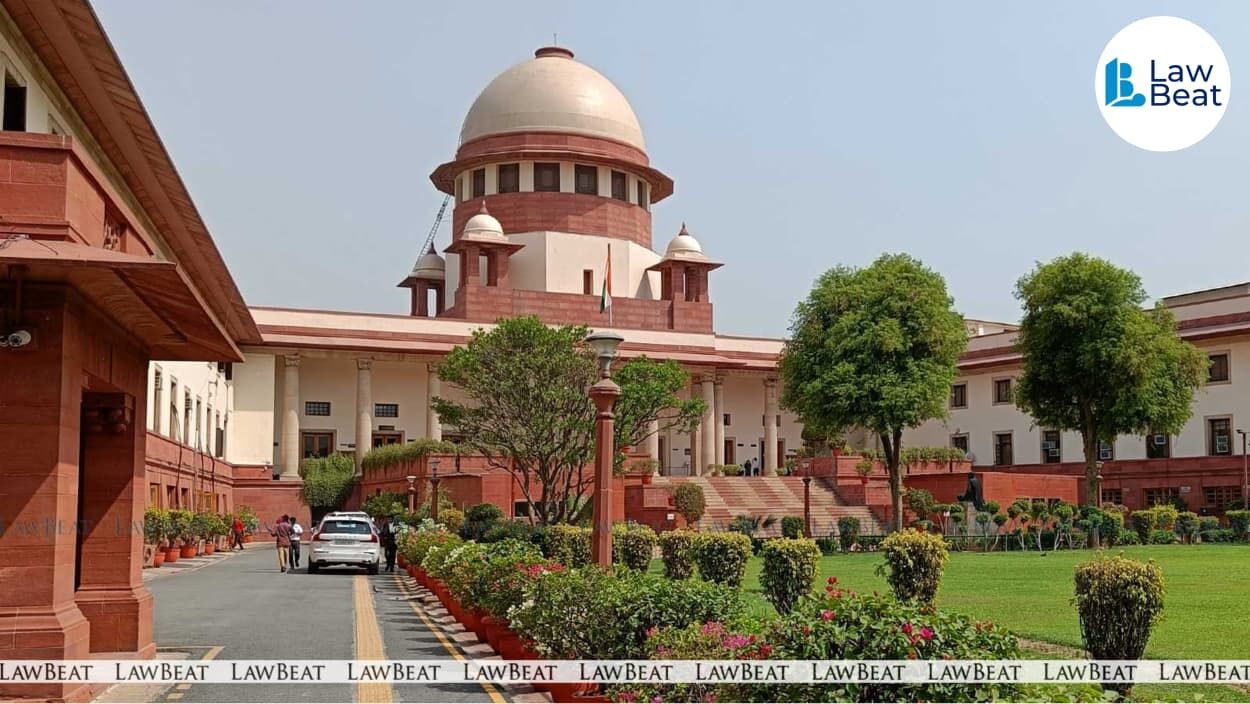
The India Supreme Court recently closed a long-pending case that sought to define the boundaries of legislative privileges, leaving critical constitutional questions about their interplay with fundamental rights unresolved. A seven-judge bench, convened after nearly two decades, disposed of the matter, which had been pending since 2004, declaring it `infructuous`. This decision means the `India Supreme Court legislative privileges questions open` for future adjudication, despite the extensive time the case spent before the apex court.
The bench, comprising Chief Justice Surya Kant, Justice Aravind Kumar, Justice PK Mishra, Justice Joymalya Bagchi, Justice Vipul Pancholi, Justice Shree Chandrashekhar, and Justice V Mohana, accepted the argument that the original cause of action no longer existed. Senior Advocate Raju Ramachandran, representing the Tamil Nadu State Legislative Assembly, informed the court that the assembly had withdrawn its contentious resolution from 2003, which had initiated the entire legal challenge. This withdrawal, effected on July 30, 2004, had not been specifically brought to the Supreme Court's attention previously.
Consequently, the writ petitions were dismissed as having become `infructuous`. However, the Court explicitly stated in its order that "the questions of law are kept open to be pursued in future in appropriate proceedings." This crucial caveat underscores that while the specific case is closed, the broader constitutional debate surrounding `India parliamentary privileges freedom of speech` remains active and awaits a definitive ruling, making this an `infructuous Supreme Court case India` with significant lingering implications.
The Genesis of the Dispute
The case, formally known as `N Ravi v. Speaker, Legislative Assembly, Chennai`, originated from a controversy in 2003 involving journalists associated with The Hindu newspaper. The Tamil Nadu Legislative Assembly had initiated privilege proceedings against them following the publication of an editorial that was critical of the then-state government. Subsequently, the Assembly passed a resolution on November 7, 2003, imposing imprisonment on these journalists.
Challenging this action, the journalists approached the Supreme Court, contending that legislative privilege could not be invoked to override fundamental rights, particularly freedom of speech and freedom of the press. The Supreme Court intervened swiftly, staying the proposed arrests in November 2003. Recognizing the profound implications, a five-judge bench in December 2003 referred the matter to a larger seven-judge bench, acknowledging that it involved "substantial constitutional questions." These questions specifically concern the intricate relationship and potential conflict between `Articles 19(1)(a), 21, and 194` of the Indian Constitution, which pertain to freedom of speech, protection of life and personal liberty, and the powers, privileges, and immunities of legislative houses and their members, respectively.
Unresolved Constitutional Questions and Future Implications
The disposal of this `Supreme Court 7-judge bench legislative privilege` case without a substantive ruling means that the fundamental constitutional questions concerning the interplay between legislative privileges and citizens' fundamental rights remain open and unresolved by the Supreme Court. This lack of a definitive precedent leaves the legal boundaries in this critical area uncertain, impacting future cases where similar conflicts arise.
The significance of these unresolved issues was highlighted by recent intervention applications filed in the very case that was just closed. Comedian Kunal Kamra, for instance, had approached the Supreme Court, facing breach of privilege proceedings initiated by the Maharashtra Legislature. These proceedings stemmed from a satirical performance in his comedy show "Naya Bharat," which touched upon the 2022 split of the Shiv Sena party, the resignation of then Chief Minister Uddhav Thackeray, and the formation of a new state government led by Eknath Shinde, whom Kamra reportedly referred to as ‘Gaddar’ (traitor) in a song. Kamra argued that the constitutional questions before the seven-judge bench had a direct bearing on the proceedings against him, making it a relevant `Kunal Kamra legislative privilege case` in the broader context.
Additionally, former Member of Parliament Subhashini Ali also sought to intervene, aiming to provide the Court with the perspective of a former legislator. The Court's decision to keep the questions of law open underscores the ongoing need for clarity on these `Article 194 constitutional questions` and their implications for free speech in India, ensuring that future legal challenges will be crucial in shaping definitive precedents.
Practical Implications
This ruling means the fundamental constitutional questions concerning the interplay between legislative privileges and fundamental rights (Articles 19(1)(a), 21, 194) remain open and unresolved by the Supreme Court. Lawyers and compliance officers should advise clients that the legal boundaries in this area are still uncertain, and future cases will be crucial in shaping definitive precedents.
Source
How does this affect you?
Get an AI analysis of this article grounded in your jurisdictions, practice areas, and any policy documents you've uploaded to Wansom.
Finish Reading the Full Story and the Expert Analysis.
Get the latest legal & regulatory intelligence in India
Wansom is AI and can make mistakes.