
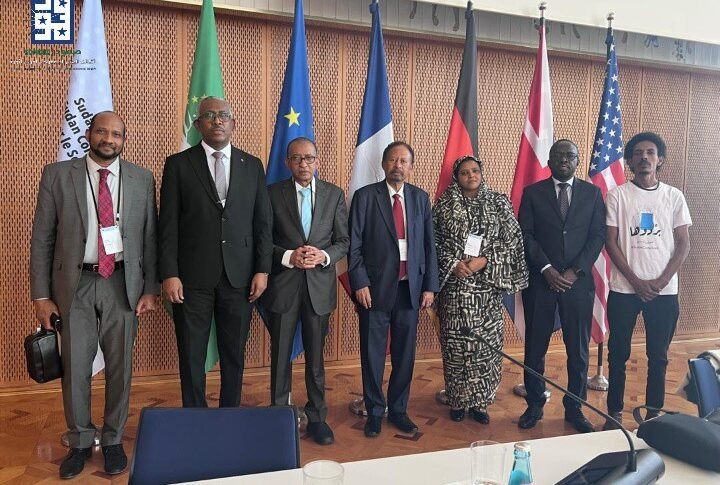
Sumoud Alliance Urges UN: Expand Sudan Arms Embargo
Summary
- The Sumoud alliance urged the UN Security Council to extend the Darfur arms embargo to cover all of Sudan.
- They also called for sanctions against entities supplying weapons to the warring parties in the conflict.
- A fact-finding report cited by Sumoud documented over 1,000 civilian deaths from drone strikes in five months.
- The report attributed grave human rights violations, including targeting civilian infrastructure, to both the Sudanese Armed Forces and Rapid Support Forces.
- Specific incidents included attacks on hospitals and civilian areas, causing widespread disruption and numerous casualties, with women and children disproportionately affected.
Call for Expanded Sanctions on Sudan
Compliance officers and legal counsel, particularly those advising entities with ties to the region, should closely monitor these deliberations.
On Friday, September 4, 2026, the Sumoud alliance, a coalition of civilian democratic revolutionary forces, issued a significant appeal to the United Nations Security Council. The alliance urged the Council to broaden the scope of the existing arms embargo, which currently applies only to Darfur, to encompass the entirety of Sudan. This call for an expanded Sumoud alliance Sudan arms embargo reflects growing international concern over the ongoing conflict.
Beyond extending the arms restrictions, the Sumoud alliance also pressed for the imposition of sanctions against any entities found to be supplying weapons to the two warring parties. This demand comes amidst continuous efforts by the United Nations and other relevant international bodies to document the numerous violations associated with the conflict.
There is an increasing chorus of voices advocating for an end to the flow of weapons into the conflict zones, alongside enhanced measures for civilian protection and robust accountability for those responsible for atrocities. The Sumoud alliance's intervention underscores the urgency of these calls for decisive action by the United Nations Security Council Sudan.
Documented Atrocities Fueling the Call
The Sumoud alliance's urgent appeal is underpinned by a recent fact-finding mission report, which was presented to the 63rd session of the Human Rights Council. This comprehensive report concluded that both the Sudanese Armed Forces (SAF) and the Rapid Support Forces (RSF) have perpetrated severe human rights violations against civilians. The documented abuses included the deliberate targeting of essential civilian infrastructure such as hospitals, schools, markets, and displacement sites, frequently utilizing drones.
The report meticulously detailed the tragic toll of these attacks, recording the deaths of over 1,000 civilians due to drone strikes within the first five months of the current year alone. Among the specific incidents highlighted were the Rawdat Nabaa Al-Hanan massacre and an assault on Kalogi Hospital, which together resulted in 114 fatalities, approximately 60 of whom were children. Another devastating event cited was the attack on Al-Daein Teaching Hospital on the morning of Eid al-Fitr, claiming the lives of at least 70 individuals.
Furthermore, the fact-finding mission documented repeated aerial bombardments and strikes against various cities, including Al-Obeid, Kadugli, Dilling, Yabus, Kutum, and Zalingei. These assaults have led to the severe disruption of hospital operations and widespread interruptions in critical water and electricity services. The report emphasized that women and children disproportionately bear the brunt of these dire consequences, highlighting the urgent need for a robust Sudan civilian protection call.
International Pressure and Legal Implications
The detailed findings of the fact-finding mission, coupled with the Sumoud alliance's direct plea, intensify the pressure on the United Nations Security Council to consider more stringent measures. The ongoing documentation of SAF RSF human rights violations provides a strong basis for expanding international intervention. The call for a comprehensive arms embargo and targeted UN Security Council Sudan sanctions signals a potential shift in the international community's approach to the conflict.
Compliance officers and legal counsel, particularly those advising entities with ties to the region, should closely monitor these deliberations. Any decision by the United Nations Security Council to extend the Darfur arms embargo or implement new UN Security Council Sudan sanctions could significantly alter the risk landscape for businesses. Such developments would necessitate updated compliance checks and thorough risk assessments to ensure adherence to evolving international regulations. The international community's focus remains firmly on ensuring accountability and safeguarding civilian lives in Sudan.
Practical Implications
Compliance officers and legal counsel should closely monitor UN Security Council deliberations regarding Sudan, as calls for an expanded arms embargo and new sanctions could significantly impact businesses with ties to the region, requiring updated compliance checks and risk assessments.
Source
How does this affect you?
Get an AI analysis of this article grounded in your jurisdictions, practice areas, and any policy documents you've uploaded to Wansom.
Finish Reading the Full Story and the Expert Analysis.
Wansom is AI and can make mistakes.