
Sudan: Sudanese-Armenian Heritage Preservation Fights War Destruction
Summary
- The Sudanahye project, launched in April 2023, is dedicated to preserving Sudanese-Armenian history amidst the ongoing conflict.
- The RSF has deliberately targeted Sudan's cultural heritage, including the National Museum and the Armenian Church in Khartoum.
- By mid-September 2025, over 60% of the National Museum's artifacts were looted, with at least 76 heritage sites and 20 museums ransacked nationwide.
- Founded by Vahe Boghosian, Sudanahye compiles historical documents, oral histories, and photographs to document the community's presence in Sudan since the 1840s.
- This archival effort aims to counter the erasure of a history considered integral to the broader Armenian experience of exile.
The Threat to Cultural Heritage in Sudan
The Sudanahye project was launched to counter the deliberate destruction of cultural heritage and the potential erasure of a community's historical narrative.
The ongoing conflict in Sudan has led to widespread destruction, with cultural heritage sites becoming deliberate targets, particularly in areas controlled by the Rapid Support Forces (RSF). In the initial phases of the war, which began in April 2023, destruction was often localized and collateral, as families were displaced and their homes ransacked, with instances of RSF personnel desecrating private property, including children's beds. However, following the RSF's complete takeover of Khartoum, the targeting of cultural institutions escalated, becoming more systematic and extensive.
A prime example of this calculated destruction is the National Museum, which the RSF occupied from June 2023 until March 2025. During this period, the museum was repurposed as an ad hoc military base and a source of illicit revenue, benefiting from exceptional protection while its vast collection was exploited through the black market. Housing over 100,000 artifacts spanning Sudan's rich history—from the Stone Ages to the Nubian, Christian, and Islamic eras—the National Museum served as a vital cultural heart for the nation. The deliberate targeting of such prominent symbols of national pride is understood as a tactic to demoralize the Sudanese populace by systematically erasing their shared heritage. By mid-September 2025, more than 60 percent of the museum's valuable goods had been plundered.
Beyond the National Museum, the scale of cultural devastation is alarming. A report from the Los Angeles Times last month indicated that at least 76 heritage sites and 20 museums across Sudan have been subjected to ransacking. Among the other significant heritage sites that fell victim to RSF occupation in Khartoum was the Armenian Church, underscoring the broad impact of the conflict on diverse cultural and religious landmarks.
Sudanahye: Preserving a Unique Heritage
Amidst this widespread destruction, a crucial initiative known as Sudanahye emerged shortly after the war's commencement in April 2023. This Sudanese-Armenian archival project is actively building a collaborative network across various diasporic communities, focusing on different facets of archival preservation to ensure the relevance of history for both past and future generations. The Sudanahye project was launched to counter the deliberate destruction of cultural heritage and the potential erasure of a community's historical narrative. Its mission extends to honoring historical events, affirming the legitimacy of a people, tracing their evolution, and contributing to accountability for war crimes.
The project was founded by Vahe Boghosian, a diasporan Armenian historian based in London, who initiated this multimedia heritage endeavor specifically to document Sudanese-Armenian history. For Boghosian, the project serves a dual purpose: not only to prevent the disappearance of his ancestry's story during wartime but also to reconcile the often-violent media portrayals of Sudan with the warm, personal anecdotes shared by his relatives during his upbringing. He noted that his perceptions of Sudan, shaped by news cycles and films in 2000s London, contrasted sharply with the realities depicted in Armenian photographs and oral histories.
A Rich and Enduring History
The Armenian presence in Sudan dates back to the 1840s, marking the arrival of the first known Armenian settler. Subsequent waves of immigration followed significant historical events, including the Hamidian Massacres in the late 1890s, which prompted more Armenians to seek refuge in Egypt and Sudan. Another influx occurred after the British conquest in 1899 established the Anglo-Egyptian Condominium, with Armenians arriving in pursuit of economic opportunities and to send remittances back home. The 1915 genocide perpetrated by the Ottoman Empire triggered yet another migration wave.
By the 1930s, a robust network of Armenian families had established itself throughout Sudan, with Khartoum serving as its central hub. At its demographic peak, the Sudanese-Armenian community comprised approximately 1,000 individuals. Christopher Tounsel, Director of African Studies at the University of Washington, emphasizes the critical importance of preserving this community's history, viewing it as an integral component of the broader Armenian experience of exile.
Comprehensive Archival Methods
The Sudanahye project employs a multi-faceted approach to document and preserve this rich history. Its archives comprise historical documents sourced from various international locations, including Cairo, Arabkir, and Durham. These documents primarily consist of business and political records, offering insights into the formal aspects of community life but often lacking personal perspectives, such as those of women or children.
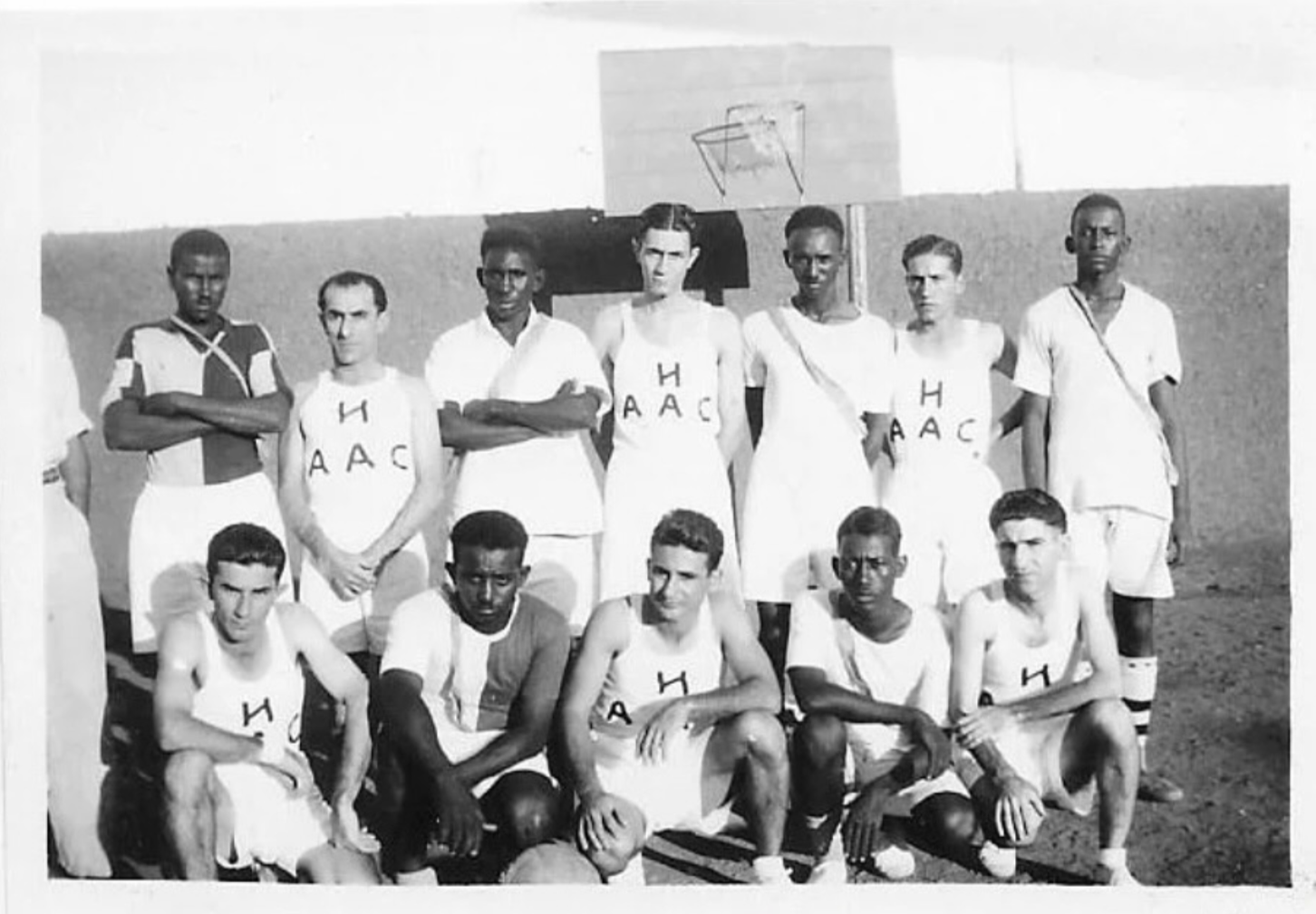
To complement these official records, Sudanahye is actively building a growing collection of oral histories. These personal narratives provide invaluable context and emotional depth, capturing experiences and viewpoints not typically found in written documents. Furthermore, the project maintains a comprehensive photo archive, which offers a broader visual representation of Armenian community life in Sudan and illustrates their interactions with diverse segments of society. Each of these distinct sources contributes a unique lens through which to understand the Sudanese-Armenian experience.
Source
How does this affect you?
Get an AI analysis of this article grounded in your jurisdictions, practice areas, and any policy documents you've uploaded to Wansom.
Finish Reading the Full Story and the Expert Analysis.
Get the latest legal & regulatory intelligence in Sudan
Wansom is AI and can make mistakes.