
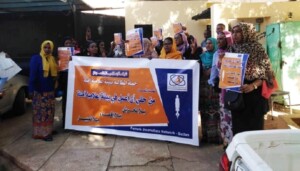
Sudan Women Journalists: Network Warns of Justice Impunity Crisis
Summary
- The Sudan Women Journalists Network has reported escalating crimes against journalists, particularly women, amidst Sudan's ongoing conflict and weakening state institutions.
- The war has led to a militarized justice system, making it dangerous and difficult for victims to file complaints or pursue legal action.
- Displacement, social pressures, and economic hardship further prevent women journalists from accessing justice and seeking redress.
- The network calls for an end to impunity, accountability for perpetrators, and reparations for Sudanese women journalists and their families.
- Key recommendations include judicial reform, safeguarding the justice system from interference, and involving journalists in peace processes.
Escalating Impunity for Journalists in Sudan
The militarization of judicial procedures since the war's commencement has rendered the act of filing criminal complaints against those responsible for violations both exceedingly difficult and dangerous.
The Sudan Women Journalists Network (SWJN) has issued a stark warning regarding the escalating frequency of violations and crimes targeting journalists across Sudan, with a particular emphasis on women. This alarming trend is unfolding amidst the ongoing conflict, characterized by the widespread availability of weaponry, the proliferation of armed militias, and the significant weakening of state institutions. The network's report, released to coincide with the International Day to End Impunity for Crimes against Journalists, underscores a deepening culture of impunity that allows perpetrators to evade justice.
The report from the Sudan Women Journalists Network highlights that the current war has severely exacerbated the crisis within the justice system and undermined the rule of law. Consequently, crimes committed against journalists are not merely isolated incidents but serve as clear indicators of broader systemic failures. The SWJN advocates for an immediate cessation of hostilities, the disarmament of all militias, and thorough investigations into all reported crimes and violations against media professionals. Crucially, the network demands that those responsible be held accountable, and that victims and survivors receive appropriate justice and redress. This situation profoundly impacts Sudan women journalists justice impunity, making it a critical area of concern.
A Collapsed Justice System
Access to justice in Sudan has become increasingly militarized, a direct consequence of the ongoing conflict and the erosion of institutional integrity. Law enforcement agencies and judicial bodies have largely lost their capacity to function independently and effectively, severely hindering their ability to prosecute offenders and ensure victims receive compensation or other forms of redress. The militarization of judicial procedures since the war's commencement has rendered the act of filing criminal complaints against those responsible for violations both exceedingly difficult and dangerous. This breakdown is a significant challenge for lawyers advising on human rights or operating in Sudan, as it highlights the severe limitations in pursuing legal action.
Further compounding these challenges, many women journalists and their families have been displaced or forcibly relocated, stripping them of the means to register complaints or follow up on legal proceedings. Additional obstacles include pervasive social pressures that often discourage women from pursuing legal avenues through the courts, alongside deteriorating economic conditions that make the substantial costs associated with litigation prohibitive. The Sudan Women Journalists Network report also points to the critical absence of effective protection mechanisms for survivors and witnesses, which further impedes access to justice, heightens the risk of impunity, and diminishes the prospects for both redress for victims and accountability for those who commit crimes against male and female journalists. This environment necessitates documenting abuses for potential future accountability mechanisms, given the practical absence of effective legal recourse.
Pathways to Accountability and Redress
The Sudan Women Journalists Network asserts that accountability and justice must form the bedrock of any future political transformation or legal and judicial reform process in Sudan. The network calls for the establishment of robust institutional and legal safeguards designed to shield the justice system from the undue influence of armed groups and from political or security interference. Ensuring the independence, impartiality, and professionalism of judicial institutions is paramount to restoring faith in the rule of law. This focus on accountability for violations Sudan is central to any meaningful recovery.
Furthermore, the SWJN emphasizes the vital importance of including journalists in all peace processes and negotiations concerning Sudan's future. Any political settlement, according to the network, must be founded upon respect for fundamental freedoms, freedom of expression, and the protection of journalists, alongside the principles of accountability and the eradication of impunity. This includes guarantees for the establishment of independent and professional law enforcement institutions. The network has also appealed directly to the UN Fact-Finding Mission, urging it to intensify investigations into crimes and violations committed against Sudanese women journalists and to exert greater pressure to secure justice. The call for reparations Sudanese women journalists who have survived violations, as well as for the families of those who have lost their lives due to the war, is a critical component of their demands, alongside the development of practical and effective mechanisms to guarantee accountability, redress, and prevent future abuses. The report's recommendations also include an immediate end to the war, the disarmament of armed militias, cutting off their weapon supplies, and the formation of a single professional army, all aimed at fostering a climate where justice can prevail.
Practical Implications
Lawyers advising on human rights or operating in Sudan must recognize the severe breakdown of the justice system, making it extremely difficult and dangerous to file criminal complaints or pursue legal action for violations against journalists. This necessitates documenting abuses for potential future accountability mechanisms and advising clients on the practical absence of effective legal recourse in the current environment.
Source
How does this affect you?
Get an AI analysis of this article grounded in your jurisdictions, practice areas, and any policy documents you've uploaded to Wansom.
Wansom is AI and can make mistakes.