
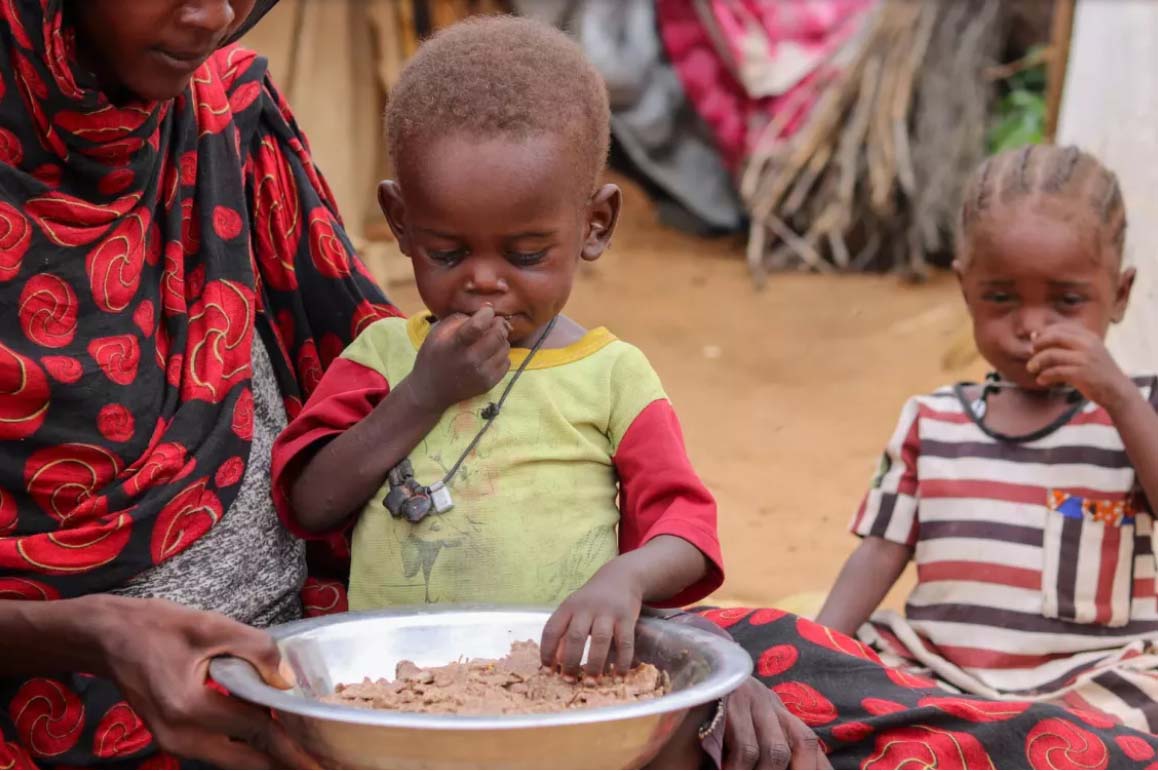
Justice Africa Sudan: SAF, RSF Face Starvation Weapon of War Accusation
Summary
- Justice Africa Sudan warns that Sudan is approaching a deliberately engineered famine, accusing both the Sudanese Armed Forces (SAF) and Rapid Support Forces (RSF) of using starvation as a weapon of war.
- Over 10 million people are displaced, 25 million face acute food shortages, and nearly 5 million are experiencing emergency hunger levels due to the conflict and economic collapse.
- Accused tactics include sieges, road blockades, obstruction of food supplies, destruction of vital resources, and restricting humanitarian access, which the organization states amount to war crimes.
- The current crisis is deemed worse than Sudan’s 1984–85 famine because starvation is being deliberately inflicted on civilians.
- Justice Africa Sudan calls for an immediate end to hostilities, unrestricted humanitarian access, stronger accountability mechanisms, and greater international pressure, deeming existing US and EU sanctions insufficient.
Sudan's Deepening Humanitarian Crisis
The explicit Sudan starvation weapon of war accusation against both the SAF and RSF underscores the critical need for global actors to consider the profound legal and humanitarian ramifications, impacting due diligence and risk assessments for any entities operating in or engaging with Sudan.
Sudan is teetering on the brink of a catastrophic, man-made famine, according to a stark warning issued by Justice Africa Sudan on September 19. The organization asserts that the ongoing conflict, now spanning over three years, coupled with severe economic collapse and deteriorating agricultural conditions, has plunged millions into a desperate struggle for sustenance. The statement highlights that the famine is not merely a consequence of natural disaster or economic hardship, but is being deliberately engineered by the warring factions, the Sudanese Armed Forces (SAF) and the Rapid Support Forces (RSF).
The scale of the crisis is immense, with more than 10 million people displaced from their homes. A staggering 25 million individuals across the nation are currently facing acute food shortages, and local reports cited by Justice Africa Sudan indicate that nearly five million are experiencing emergency levels of hunger. The humanitarian situation is exacerbated by the closure of community kitchens due to a lack of resources, while vital remittances from Sudanese living abroad, a crucial lifeline for many households, are weakening under the strain of prolonged hardship and global inflation.
Compounding these challenges, poor rainfall in key rain-fed farming regions, including El Gedaref and South Kordofan states, threatens to devastate harvests at a time when access to food and other essential goods is already severely compromised. Food and essential commodity prices have more than doubled in just one month, further pushing vulnerable populations towards starvation. Justice Africa Sudan also notes that parts of the Nuba Mountains, an area under the control of the SPLA/M-North, are facing catastrophic levels of hunger (IPC Phase 5) with a credible risk of famine, while the government in Khartoum is accused of downplaying the severity of the crisis.
Accusations of Starvation as a Weapon of War
Central to Justice Africa Sudan's urgent appeal is the explicit accusation that both the Sudanese Armed Forces and the Rapid Support Forces are deliberately employing starvation as a method of warfare. The organization points to a series of calculated tactics, including the imposition of sieges, the establishment of road blockades, and the systematic obstruction of food supplies destined for areas controlled by opposing forces. Furthermore, the belligerents are accused of destroying critical infrastructure such as warehouses, water sources, and farms, directly undermining the civilian population's ability to access food and water.
These actions are not only devastating for the civilian population but are also explicitly identified by Justice Africa Sudan as amounting to war crimes under international humanitarian law. The deliberate restriction of humanitarian access by both sides is another key component of this accusation, preventing aid from reaching those in dire need. The organization argues that these tactics have significantly aggravated the existing economic crisis, leading to the dramatic increase in food and commodity prices.
Justice Africa Sudan draws a stark comparison between the current crisis and Sudan’s devastating 1984–85 famine, asserting that the present situation is far worse. Unlike the earlier disaster, which was largely attributed to natural causes and economic factors, the current widespread starvation is portrayed as a deliberate act inflicted upon civilians by the warring parties, underscoring the grave legal and ethical implications of the conflict.
Calls for Enhanced Accountability and International Pressure
In light of the dire situation, Justice Africa Sudan has welcomed the sanctions imposed by the United States and the European Union against those prolonging the conflict, but stresses that these measures are insufficient to address the crisis effectively. The organization is advocating for a more robust international response, emphasizing the urgent need for an immediate cessation of hostilities to prevent further loss of life and suffering.
Key demands from Justice Africa Sudan include the establishment of unrestricted humanitarian access to all affected areas, ensuring that aid can reach the millions facing acute food shortages and emergency levels of hunger. The organization also calls for stronger accountability mechanisms to be put in place, aiming to hold those responsible for the alleged war crimes, particularly the deliberate use of starvation, to account. This signals a potential for increased international pressure and future legal proceedings under international humanitarian law.
Ultimately, Justice Africa Sudan urges greater international pressure to compel a definitive end to the fighting. The explicit **Sudan starvation weapon of war accusation** against both the SAF and RSF underscores the critical need for global actors to consider the profound legal and humanitarian ramifications, impacting due diligence and risk assessments for any entities operating in or engaging with Sudan.
Practical Implications
Lawyers and compliance officers should note the explicit accusations of war crimes, specifically deliberate starvation, against warring parties in Sudan. This development signals potential for increased international pressure, sanctions, and future accountability proceedings under international humanitarian law, impacting due diligence and risk assessments for entities operating in or engaging with Sudan.
Source
How does this affect you?
Get an AI analysis of this article grounded in your jurisdictions, practice areas, and any policy documents you've uploaded to Wansom.
Finish Reading the Full Story and the Expert Analysis.
Get the latest legal & regulatory intelligence in Sudan
Wansom is AI and can make mistakes.