
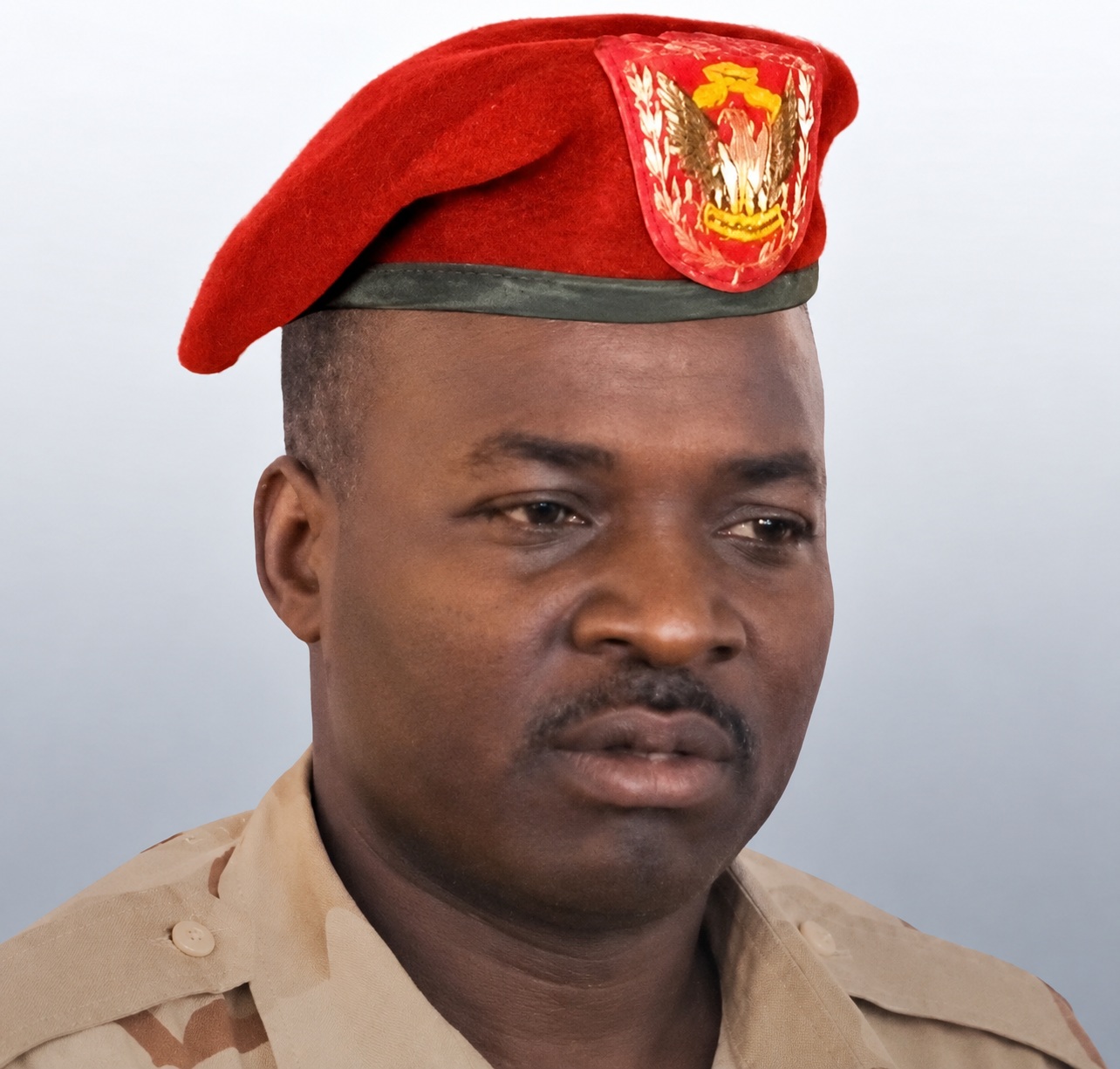
RSF Investigation Ali Al-Balla Killings: Commander Probed Over Extrajudicial Executions
Summary
- The Rapid Support Forces (RSF) have initiated an internal investigation into General Ali Al-Balla, a senior commander.
- Al-Balla is accused of ordering the extrajudicial killing of 23 RSF members in North Kordofan on September 24.
- The victims were allegedly apprehended for looting the Umm Badr market and were executed without trial or sufficient investigation.
- Disturbing videos circulated showing bound, civilian-dressed individuals being shot, with Al-Balla reportedly present.
- The RSF leadership has summoned General Ali Al-Balla to Nyala for questioning regarding the incident.
RSF Commander Under Investigation for Killings
This internal investigation by the Rapid Support Forces into alleged extrajudicial killings by a senior commander could set a precedent for accountability within non-state armed groups in conflict zones.
The leadership of Sudan's Rapid Support Forces (RSF) has launched an internal investigation into a senior commander, General Ali Al-Balla, following allegations that he ordered the extrajudicial killing of 23 of the force's own members. The probe focuses on directives issued by Al-Balla, who serves as the RSF operations commander for both the Exports Road axis in North Kordofan state and the West Omdurman axis. This internal inquiry by the Rapid Support Forces commander probe marks a significant development in addressing alleged human rights abuses within the paramilitary group.
The incident, which occurred on September 24, involved RSF elements apprehending several of their personnel on suspicion of looting the Umm Badr market in North Kordofan. Disturbing video footage, widely circulated in the week preceding the investigation's announcement, depicted RSF soldiers executing individuals dressed in civilian attire, with their hands and eyes bound, by shooting them. General Ali Al-Balla, identified as a prominent RSF leader in the region, was reportedly present during these killings. The RSF leadership has since summoned Al-Balla to Nyala for questioning regarding his involvement in the events.
Context of Alleged Looting and Lack of Due Process
The alleged killings transpired without the accused individuals being brought to trial or undergoing sufficient investigation to substantiate the looting accusations against them. This absence of due process is a critical aspect of the RSF investigation Ali Al-Balla killings, raising serious questions about accountability within the paramilitary structure. The broader context includes an earlier incident in late September, when an RSF unit attacked the Umm Badr market and an associated gold mine, subsequently looting money from miners.
The incident provoked widespread outrage across social media platforms, with users directing strong accusations against General Ali Al-Balla. Some alleged that he deliberately orchestrated the liquidation of the soldiers, while others accused him of collaborating with the armed forces. These public reactions underscore the intense scrutiny and demand for Sudan extrajudicial killings accountability, particularly concerning high-ranking military figures.
Implications for Accountability and Command Responsibility
This internal investigation by the Rapid Support Forces into alleged extrajudicial killings by a senior commander could set a precedent for accountability within non-state armed groups in conflict zones. The fact that the RSF is probing its own high-ranking officer for actions against its own members, particularly concerning the lack of a formal judicial process, highlights the complex challenges of enforcing human rights standards in volatile environments. Lawyers specializing in international criminal law or human rights should closely monitor the investigation's findings for implications regarding command responsibility and potential future avenues for justice or reparations.
The RSF internal investigation human rights aspect is crucial, as it touches upon the principle of military command responsibility Sudan, where commanders are held accountable for crimes committed by their subordinates if they knew or should have known about them and failed to prevent or punish them. The outcome of this probe will be a key indicator of the RSF's commitment to addressing serious allegations of misconduct and could influence perceptions of its adherence to international humanitarian law.
Practical Implications
This internal investigation by the Rapid Support Forces into alleged extrajudicial killings by a senior commander could set a precedent for accountability within non-state armed groups in conflict zones. Lawyers specializing in international criminal law or human rights should monitor the investigation's findings for implications regarding command responsibility and potential future avenues for justice or reparations.
Source
How does this affect you?
Get an AI analysis of this article grounded in your jurisdictions, practice areas, and any policy documents you've uploaded to Wansom.
Finish Reading the Full Story and the Expert Analysis.
Get the latest legal & regulatory intelligence in Sudan
Wansom is AI and can make mistakes.