
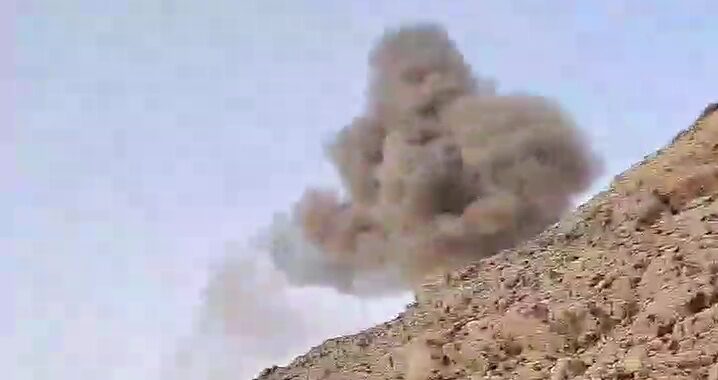
Sudan: Egyptian Army Illegal Gold Mining Border Airstrikes Probed
Summary
- On October 12, 2026, the Egyptian military announced the completion of its third phase of operations against illegal gold mining near the Sudanese border.
- Eyewitnesses reported that Egyptian warplanes conducted airstrikes on mining sites the previous Saturday, resulting in at least 200 Sudanese miners killed and thousands fleeing.
- Sudanese authorities, led by Abdel Fattah Al-Burhan, formed a committee with judicial and military representatives to investigate the incident.
- The Egyptian Army stated its operations were aimed at asserting sovereignty and protecting national resources from "criminal elements" after issuing warnings.
- The Egyptian spokesperson also stressed the strong political and popular ties between Egypt and Sudan, despite the cross-border enforcement.
Military Action Near Sudan Border
The formation of the Al-Burhan committee for a Sudan investigation into the Egyptian military operations signals a critical step towards accountability and transparency.
The Egyptian military announced on Monday, October 12, 2026, that it had concluded the third phase of its operations targeting illegal gold mining activities. These operations were specifically conducted in areas adjacent to the Sudanese border, with the stated aim of confronting what the military described as "criminal elements" involved in illicit extraction.
This announcement followed reports from eyewitnesses on the preceding Saturday morning, who detailed a series of airstrikes carried out by warplanes. These aerial attacks reportedly targeted traditional mining sites situated close to the Egypt-Sudan border, where thousands of Sudanese miners were actively working. The strikes resulted in a significant loss of life, with at least 200 individuals confirmed dead, and compelled the surviving miners to seek refuge in nearby caves and mountainous terrain.
Sudanese Investigation Launched
In the wake of these events, a groundswell of calls for an official inquiry emerged, prompting a swift response from Sudanese authorities. General Abdel Fattah Al-Burhan, who serves as both the Chairman of the Transitional Sovereignty Council and the Commander-in-Chief of the Sudanese Army, issued a decree to establish a dedicated committee. This body is tasked with thoroughly investigating the incident.
The newly formed committee comprises representatives from both judicial and military institutions, underscoring the gravity of its mandate. Its primary objective is to meticulously ascertain all relevant facts and to fully uncover the circumstances surrounding the cross-border attack, which led to numerous casualties among Sudanese miners killed near the Egypt border.
Egypt's Stated Justification and Context
An official statement from the Egyptian Army spokesperson clarified that law enforcement personnel, drawn from both the armed forces and civil police, are continuing their involvement in the third phase of this extensive campaign. The overarching goal of these Egyptian military operations is to combat illegal gold mining within the Eastern Desert region, particularly focusing on areas near the Egypt Sudan border gold dispute.
The spokesperson further explained that the campaign was initiated after the distribution of warning leaflets to those identified as "criminal elements." These actions, according to the Egyptian military, are crucial for asserting full sovereignty over Egyptian state territory and for safeguarding the nation's valuable resources and capabilities. Despite the recent enforcement actions, the spokesperson emphasized the profound political and popular bonds that unite the Egyptian and Sudanese nations, citing the peaceful coexistence of millions of Sudanese individuals residing in Egypt as a testament to these deep ties.
Why It Matters
The recent Egyptian army illegal gold mining Sudan border operations highlight the escalating tensions and enforcement challenges associated with cross-border illegal mining enforcement. The significant casualties reported from the Egyptian airstrikes underscore the severe risks faced by individuals involved in such activities and the potential for military responses to resource extraction. This incident brings to the forefront the complex interplay between national sovereignty, resource protection, and human rights in border regions.
The formation of the Al-Burhan committee for a Sudan investigation into the Egyptian military operations signals a critical step towards accountability and transparency. Its findings could have far-reaching implications for future policies governing resource extraction, military conduct in border areas, and diplomatic relations between Egypt and Sudan. The ongoing Egypt Sudan border gold dispute, exacerbated by these events, necessitates careful consideration of international law and humanitarian concerns.
Practical Implications
Lawyers advising clients with mining interests or cross-border operations near the Egypt-Sudan border must assess heightened security and operational risks due to increased military enforcement. The Sudanese investigation committee's formation signals potential for future legal claims or policy changes regarding resource extraction and military conduct.
Source
How does this affect you?
Get an AI analysis of this article grounded in your jurisdictions, practice areas, and any policy documents you've uploaded to Wansom.
Finish Reading the Full Story and the Expert Analysis.
Get the latest legal & regulatory intelligence in Sudan
Wansom is AI and can make mistakes.