
Sudan: Loses OPCW Council Seat Amid Chemical Weapons Probe
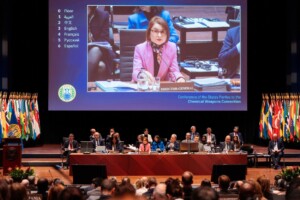
Sudan lost its seat on the Executive Council of the Organisation for the Prohibition of Chemical Weapons (OPCW) yesterday, during the 31st Conference of the States Parties in The Hague, Netherlands, amidst mounting international pressure over allegations of chemical weapons use in its ongoing war. This significant diplomatic setback occurred as Morocco, Angola, Cameroon, Tanzania, and Tunisia were elected to represent Africa on the 41-member council from 2027. The OPCW Director-General, Sabrina Dallafior, confirmed that Sudan's case remains before the Executive Council, urging member states with relevant evidence to share it, even confidentially, while expressing disappointment at the lack of detailed information provided to the Secretariat despite concerns raised. She also offered technical assistance for Sudan's national investigation, hoping its findings would be circulated to member states. Separately, the United Kingdom renewed its call for a credible investigation, warning of reports suggesting increasingly systematic chemical weapons use, which, if substantiated, would pose a grave threat to the region. The United States had already concluded in April 2025 that the Sudanese Armed Forces (SAF) had used chemical weapons in violation of international law and imposed sanctions. The outcome of the OPCW's investigation into these allegations is not yet reported.
This development carries substantial legal and diplomatic significance for practitioners, businesses, and the public, underscoring the international community's firm stance against the use of chemical weapons and the severe consequences of non-compliance with international norms. The loss of a seat on a crucial international body like the OPCW Executive Council is a clear signal of diplomatic isolation and diminished influence, reflecting a collective loss of trust. For states, it reinforces the imperative of adhering to international humanitarian law and the Chemical Weapons Convention (CWC), as failure to do so can lead to diplomatic censure, international investigations, and potentially further punitive measures, including unilateral or multilateral sanctions. For businesses, this situation highlights the heightened risks associated with operating in or engaging with jurisdictions under such international scrutiny, necessitating rigorous due diligence and compliance frameworks.
The legal context for this situation is primarily governed by the Chemical Weapons Convention (CWC), which prohibits the development, production, acquisition, stockpiling, retention, transfer, or use of chemical weapons, and establishes the OPCW as its implementing body. The Executive Council is a key decision-making organ within the OPCW, responsible for overseeing the implementation of the CWC. Allegations of chemical weapons use also implicate broader international humanitarian law, as such acts constitute grave breaches and potential war crimes under international criminal law. The US sanctions mentioned are a unilateral measure taken under its domestic legal framework, but are directly responsive to alleged violations of international law. Key parties involved include Sudan, the OPCW and its Director-General Sabrina Dallafior, the United Kingdom, the United States, and the Sudanese Armed Forces (SAF). The newly elected African representatives to the council, Morocco, Angola, Cameroon, Tanzania, and Tunisia, will assume their roles from 2027.
Attorneys advising governments, international organizations, or businesses with interests in conflict zones or in states facing international scrutiny must closely monitor the ongoing developments related to Sudan and the OPCW investigation. The case serves as a critical reminder of the severe diplomatic, reputational, and economic consequences that can arise from alleged violations of international law, particularly the CWC. Legal professionals should proactively advise clients on robust compliance with international norms, the implications of international investigations, and the potential for sanctions and other legal liabilities. For businesses, this translates to a need for enhanced risk assessments, supply chain due diligence, and adherence to export control regulations, especially when dealing with dual-use goods or technologies that could be implicated in such allegations. The evolving nature of the investigation and potential for further international actions necessitates continuous legal and political monitoring to mitigate risks effectively.
How does this affect you?
Get an AI analysis of this article grounded in your jurisdictions, practice areas, and any policy documents you've uploaded to Wansom.
Finish Reading the Full Story and the Expert Analysis.
Get the latest legal & regulatory intelligence in Sudan
Wansom is AI and can make mistakes.