
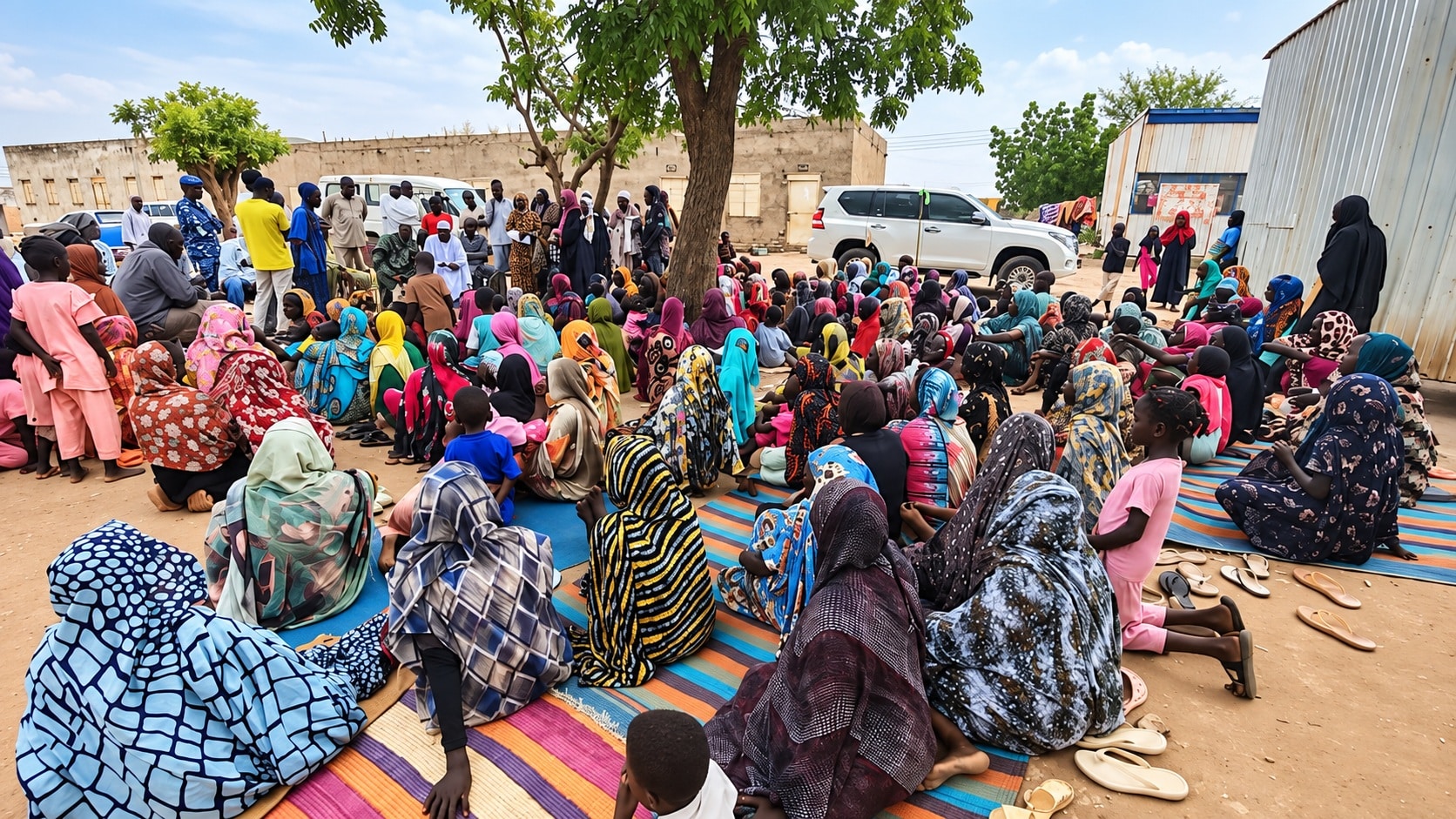
Siha Report: Blue Nile Abductions and Sexual Violence by RSF
Summary
- A Siha report on November 24, 2026, detailed the abduction of 28 women and girls in Sudan's Blue Nile region.
- Rapid Support Forces (RSF) fighters and allied armed groups were identified as perpetrators of these abductions.
- The report also documented 15 cases of conflict-related sexual violence against underage girls in Qaisan locality.
- Armed individuals wearing RSF uniforms were implicated in the sexual assaults near Al-Yas and Armadolo villages.
- The incidents occurred amidst expanding military operations and a humanitarian crisis, with over 443,000 displaced persons in Blue Nile state.
What Happened
Lawyers specializing in international criminal law, human rights, or humanitarian law should be aware of these documented abuses in Sudan's Blue Nile State, as they may constitute war crimes or crimes against humanity, requiring potential future accountability efforts or informing asylum claims for affected individuals.
The Network of African Women for the Horn of Africa, known as Siha, issued a report on Tuesday, November 24, 2026, detailing grave human rights abuses in Sudan's Blue Nile region. The report highlighted the abduction of 28 women and girls by fighters from the Rapid Support Forces (RSF) and their allied armed groups. These incidents occurred amidst a backdrop of escalating military confrontations and significant waves of displacement across the Blue Nile state, exacerbating an already dire humanitarian situation.
Further compounding the crisis, the Siha report also documented 15 instances of sexual assault targeting underage girls. These heinous acts of conflict-related sexual violence were reported to have taken place over the preceding three days near the villages of Al-Yas and Armadolo, situated within the Qaisan locality. The perpetrators were identified as armed individuals wearing the distinctive uniforms of the Rapid Support Forces, underscoring the severe RSF human rights abuses Sudan is currently experiencing.
Local response teams have corroborated these findings, indicating a more widespread pattern of abductions affecting women and girls as they attempt to flee conflict zones and reach safer areas. One particularly distressing account involved a recently graduated university student who managed to contact her family. She informed them that she was being held captive alongside other women within a compound in Balghawa, an area firmly under the control of the Rapid Support Forces, providing a chilling insight into the plight of those caught in the Siha report Blue Nile abductions.
Humanitarian Crisis and Context
The Blue Nile region has witnessed a significant intensification of military operations in recent months, with hostilities extending into the state's southern territories. This expansion of conflict has directly contributed to a severe Blue Nile state humanitarian crisis, forcing countless civilians to abandon their homes in search of safety. The widespread displacement creates an environment where vulnerable populations, particularly women and children, are at heightened risk of violence and exploitation.
Estimates from local responders indicate that over 7,000 families are currently making their way towards Damazin, the capital of Blue Nile state, seeking refuge from the ongoing violence. This influx adds to an already strained situation, as the state is presently accommodating approximately 443,494 internally displaced persons. The sheer scale of displacement underscores the profound impact of the conflict on civilian lives and the urgent need for humanitarian assistance and protection.
The escalating conflict and resulting mass displacement are directly linked to the documented cases of Sudan sexual violence Blue Nile. As communities are uprooted and traditional protective structures break down, women and girls become increasingly susceptible to various forms of abuse, including abduction and sexual assault. The reports of such incidents highlight the critical need for robust protection mechanisms and accountability for perpetrators in these volatile environments.
Legal and Human Rights Implications
The documented abductions and instances of conflict-related sexual violence against minors in Sudan's Blue Nile state, as detailed in the Siha report, carry profound legal and human rights implications. Such actions, particularly when perpetrated by armed forces or allied groups, may constitute grave violations of international humanitarian law and international human rights law. Depending on the specific circumstances and scale, these abuses could be classified as war crimes or even crimes against humanity, demanding rigorous investigation and accountability.
The systematic nature suggested by the "broader pattern" of abductions, coupled with the specific targeting of women and girls, points to a deliberate strategy of terror and control. The involvement of individuals in RSF uniforms in the sexual assaults further implicates state-aligned actors in these atrocities. Lawyers specializing in international criminal law, human rights, or humanitarian law should be aware of these documented abuses in Sudan's Blue Nile State, as they may constitute war crimes or crimes against humanity, requiring potential future accountability efforts or informing asylum claims for affected individuals.
Ensuring justice for the victims of these abuses is paramount. The international community, alongside national authorities, must prioritize investigations into these allegations and hold those responsible to account. The ongoing conflict and the severe humanitarian crisis in the Blue Nile region must not serve as a pretext for impunity, especially concerning the egregious violations of human dignity and safety reported by Siha.
Practical Implications
Lawyers specializing in international criminal law, human rights, or humanitarian law should be aware of these documented abuses in Sudan's Blue Nile State, as they may constitute war crimes or crimes against humanity, requiring potential future accountability efforts or informing asylum claims for affected individuals.
Source
How does this affect you?
Get an AI analysis of this article grounded in your jurisdictions, practice areas, and any policy documents you've uploaded to Wansom.
Finish Reading the Full Story and the Expert Analysis.
Get the latest legal & regulatory intelligence in Sudan
Wansom is AI and can make mistakes.