
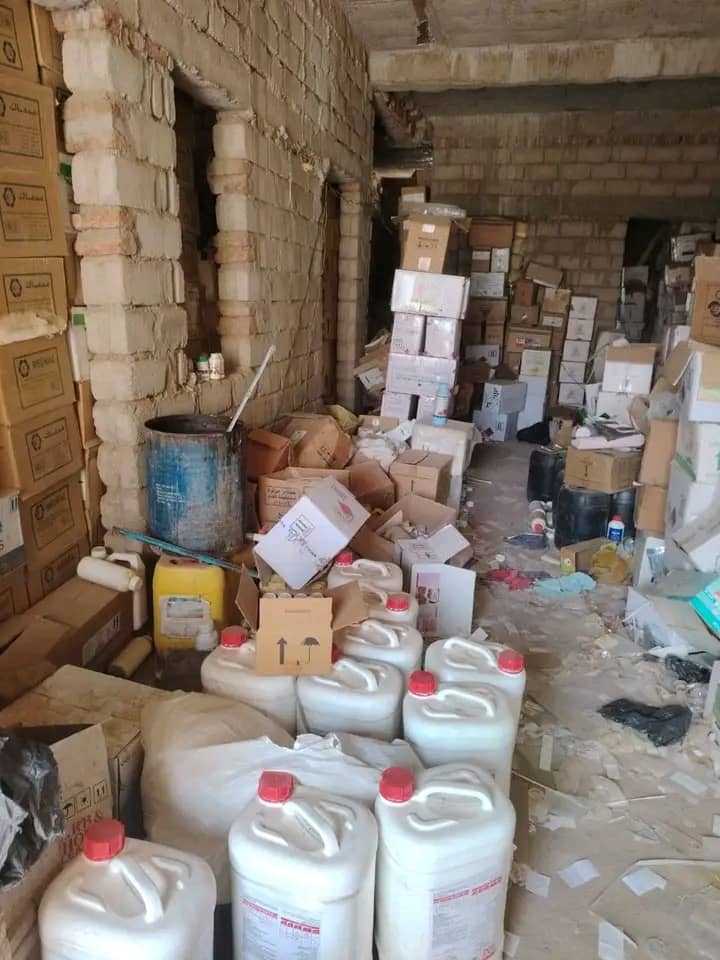
National Pesticides Council Sudan: Issues Sudan Looted Agricultural Pesticide Warning
Summary
- The National Pesticides Council in Sudan issued a warning about severe health and environmental risks from looted and repackaged agricultural pesticides.
- These pesticides were stolen from various warehouses in Khartoum and Al-Jazirah since the war began in April 2023 and are being sold outside official channels.
- The illicit products pose dangers including human and animal poisoning, crop and water contamination, unsafe food residues, and significant economic damage.
- Security forces recently uncovered and seized a factory in Kassala state used for repackaging stolen pesticides and adulterated fertilizers.
The Urgent Warning
The application of unknown pesticides can lead to the failure of pest control efforts, rendering crops vulnerable and necessitating further, potentially harmful, interventions.
The National Pesticides Council in Sudan recently issued a critical warning regarding the widespread circulation of illicit agricultural pesticides. This urgent Sudan looted agricultural pesticide warning highlights severe health and environmental dangers stemming from these products, which are suspected to have been stolen and subsequently repackaged. These hazardous substances are now being distributed through unofficial channels, bypassing established regulatory oversight and posing a significant threat to public safety and ecological balance.
The Council's statement, released on September 14, 2026, expressed profound concern over the discovery of substantial quantities of these agricultural chemicals. These materials are believed to have been plundered from various storage facilities, including corporate warehouses, agricultural administrative offices, and plant protection centers. Following their theft, many of these pesticides have been illegally reprocessed and made available to farmers, exacerbating the potential for widespread harm.
Origins of the Illicit Trade
The extensive looting of agricultural pesticides began in April 2023, coinciding with the outbreak of conflict in Sudan. During this period, numerous storage sites became targets, including warehouses belonging to private companies, agricultural departments, and critical plant protection facilities. Additionally, stores managed by the Ministries of Production and Economic Resources, particularly in the regions of Khartoum and Al-Jazirah, suffered significant losses of these controlled substances.
This widespread pilfering has fueled a dangerous black market, where the stolen chemicals are then subjected to illicit repackaging. The Sudan repackaged pesticide risks are substantial, as these products are subsequently sold to unsuspecting farmers outside of any legitimate distribution network. This unregulated trade not only undermines agricultural best practices but also introduces unknown and potentially lethal compounds into the food chain and environment.
Grave Consequences for Health and Environment
The implications of using these unidentified or improperly formulated pesticides are far-reaching and severe. The National Pesticides Council Sudan underscored the multifaceted risks, which include direct threats to the safety of farmers and agricultural workers handling these substances. Beyond immediate occupational hazards, there are profound concerns for human and animal health, as well as the integrity of the food supply. The Sudan food safety pesticide contamination potential is particularly alarming, with the risk of unsafe residues appearing in crops.
Furthermore, the environmental repercussions are dire. The application of unknown pesticides can lead to the failure of pest control efforts, rendering crops vulnerable and necessitating further, potentially harmful, interventions. More critically, these illicit chemicals contribute to the contamination of soil and water sources, creating a Sudan environmental pesticide threat that could have irreversible ecological and economic damage. The Council explicitly warned of human and animal poisoning, alongside long-term environmental degradation that would be exceedingly difficult to mitigate.
Illicit Operations Uncovered
In a recent development, security forces, working in conjunction with a specialized security cell in Kassala state, successfully dismantled a sophisticated operation involved in this illicit trade. Last week, authorities seized a fully equipped factory dedicated to the repackaging and recycling of agricultural pesticides. This facility was also found to be processing adulterated fertilizers, indicating a broader network of fraudulent agricultural input production.
The discovery of this Kassala illicit pesticide factory underscores the organized nature of the problem and the significant efforts required to combat it. The Council's statement emphasized that agricultural pesticides are not merely commodities to be traded freely; they are highly regulated substances with specific compositions and applications designed to ensure safety and efficacy. Their misuse, particularly through illicit repackaging and distribution, poses an existential threat to the nation's agricultural sector and public well-being.
Practical Implications
Compliance officers and legal counsel for agricultural businesses, food producers, and distributors operating in Sudan should immediately review their supply chain integrity and product sourcing protocols to mitigate significant risks associated with illicit, repackaged pesticides. This includes potential product liability, environmental regulatory non-compliance, and food safety violations, necessitating enhanced due diligence and risk management strategies.
Source
How does this affect you?
Get an AI analysis of this article grounded in your jurisdictions, practice areas, and any policy documents you've uploaded to Wansom.
Finish Reading the Full Story and the Expert Analysis.
Get the latest legal & regulatory intelligence in Sudan
Wansom is AI and can make mistakes.