
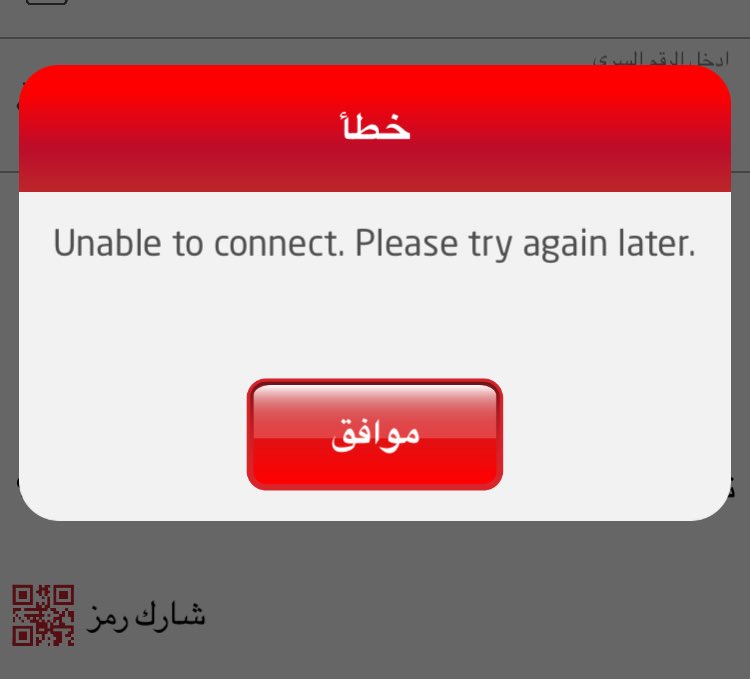
Bank of Khartoum: Sudan Bankak App Persistent Glitches Disrupt Millions
Summary
- Sudan's primary banking application, Bankak, continues to experience persistent glitches, causing significant frustration for over 10 million users.
- Despite a recent update from the Bank of Khartoum, customers report no improvement in the app's performance, hindering daily financial transactions.
- Economists warn that Bankak's dominance creates a 'central point of failure,' posing systemic risks to Sudan's economy and stifling competition.
- An IT expert recommends treating major outages as 'operational incidents,' requiring formal incident-response plans and transparent public communication.
- The situation underscores the need for official communication channels and a review of incident response protocols within Sudan's financial sector.
Widespread Disruptions Plague Sudan's Dominant Banking App
Customers have a right to know the general nature of the outage, which services are affected, whether their funds and balances are safe, what alternative options are available, and when the next update on the situation can be expected.
Sudan's most widely utilized banking application, Bankak, operated by the Bank of Khartoum, continues to experience persistent glitches, causing significant frustration and hardship for its more than 10 million subscribers. Despite recent assurances from the bank's management and the release of a new update, the digital payment system failures persist, leading to widespread disruption across the country's financial landscape. Customers report an unprecedented level of malfunctioning, directly impacting their ability to conduct essential daily transactions.
Residents like Mohamed Fadlallah from Port Sudan describe severe difficulties, including frozen applications, complete failure to open, and delayed payment notifications that lead traders to refuse transactions. These Sudan Bankak app persistent glitches leave individuals unable to pay for goods or services, often resulting in crowds forming outside shops as people struggle to complete purchases. The issues can last for over a week or even ten days, rendering the Bankak app effectively unusable and causing considerable embarrassment for users attempting everyday financial activities.
In an effort to address these widespread technical problems affecting hundreds of thousands of customers both within and outside Sudan, the Bank of Khartoum recently released a new version of its popular Bankak banking application for Android devices. This update reportedly included bug fixes; however, the bank did not provide specific details regarding which issues were resolved or which services were repaired. Crucially, several customers have reported that the application's performance has shown no improvement even after installing the latest version, underscoring the ongoing challenges with Sudan mobile banking outages.
Systemic Risks of Digital Monopolies
Economists are sounding alarms over the inherent dangers posed by Bankak's overwhelming dominance in Sudan's digital payment ecosystem. They highlight the structural and economic risks associated with an entire nation's daily economy relying so heavily on a single banking application. This creates what experts term a 'central point of failure,' where any sudden outage or technical malfunction affecting the Bank of Khartoum Bankak app servers can bring essential buying, selling, and payment for basic necessities to a near standstill.
Such a high concentration of digital financial services also has broader implications for market dynamics. It weakens fair competition among financial institutions and significantly reduces incentives for innovation within the sector. While other banking applications exist, such as Fawry by Faisal Islamic Bank, O-Cash by Omdurman National Bank, and Sahel by Nile Bank, alongside offerings from Al Baraka, Mashreq, and Al Tadamon, these have largely settled into secondary roles. Economists suggest that institutions like Faisal Islamic Bank and Omdurman National Bank, possessing substantial financial resources, could compete more aggressively if their digital services were restructured with greater ambition, thereby mitigating the risks associated with a single dominant platform.
Rethinking Incident Response and Communication Protocols
In light of the persistent Bankak app operational risk, experts are advocating for a fundamental shift in how major outages are perceived and managed within Sudan's financial sector. Major General of Police (Retired) Dr. Essam al-Din Abbas, an information technology and data-analysis systems consultant, emphasizes that such significant disruptions should be classified as 'operational incidents' rather than mere technical faults. Modern banking systems, he notes, are equipped with standard procedures for handling these incidents, beginning with the immediate activation of a comprehensive incident-response plan and a thorough assessment of the problem's nature and scale.
Key steps in this process include determining the severity and impact of the incident, identifying the number of affected customers, pinpointing which services have ceased functioning, verifying the security of customer funds, and ascertaining whether the issue is confined to the user interface or extends to the central transaction system. Dr. Abbas also stresses the critical importance of immediate and transparent communication with the public. While sensitive security details need not be disclosed, customers have a right to know the general nature of the outage, which services are affected, whether their funds and balances are safe, what alternative options are available, and when the next update on the situation can be expected. This highlights potential regulatory gaps in ensuring digital payment system resilience and consumer protection, urging compliance officers in Sudan's financial sector to review their incident response plans and communication protocols.
Furthermore, Dr. Abbas recommends the establishment of an official channel for updating customers on service status, rather than leaving citizens to rely on informal platforms like WhatsApp or Facebook for critical information. This measure is crucial for maintaining trust and ensuring that accurate, timely information reaches all affected parties, aligning with best practices in Sudan financial services regulation.
Practical Implications
Compliance officers in Sudan's financial sector must review their incident response plans and communication protocols for digital service outages, given the heightened scrutiny and operational risks highlighted by the Bankak app's persistent failures. This situation also underscores potential regulatory gaps in ensuring digital payment system resilience and consumer protection.
Source
How does this affect you?
Get an AI analysis of this article grounded in your jurisdictions, practice areas, and any policy documents you've uploaded to Wansom.
Finish Reading the Full Story and the Expert Analysis.
Get the latest legal & regulatory intelligence in Sudan
Wansom is AI and can make mistakes.