
RSF Al-Obeid Drone Attacks: Amnesty Calls for War Crimes Probe
Summary
- Amnesty International has called for an investigation into drone attacks by the Rapid Support Forces (RSF) in Al-Obeid, North Kordofan, as potential war crimes.
- Dozens of civilians were killed in these attacks, which targeted essential civilian infrastructure including power stations, hospitals, and markets.
- Amnesty's investigation into nine specific attacks between June and August 2026 found 37 civilians killed and 10 injured, with no military targets present.
- The targeting of residential areas and vital civilian facilities without military objectives raises serious concerns about violations of international humanitarian law.
- Al-Obeid is a crucial commercial and humanitarian hub, making attacks on its infrastructure particularly impactful on regional stability and aid efforts.
Escalating Conflict in North Kordofan
Amnesty International's assertion that these RSF Al-Obeid drone attacks war crimes warrants a thorough investigation reflects the severity of the alleged actions and their impact on non-combatants.
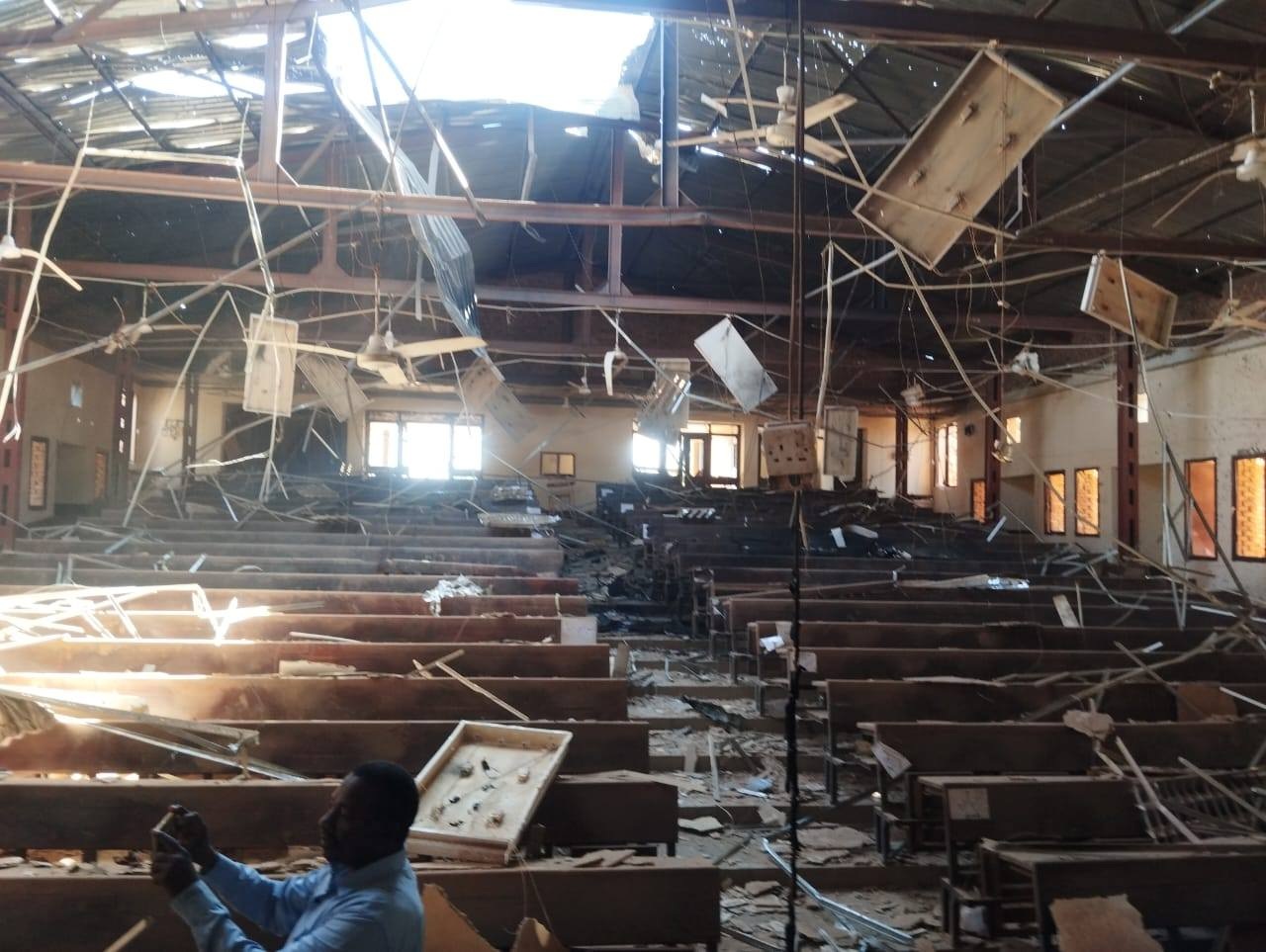
Amnesty International recently called for an investigation into drone attacks carried out by the Rapid Support Forces (RSF) in Al-Obeid, a city in Sudan's North Kordofan state, suggesting these incidents should be probed as potential war crimes. These strikes, which resulted in dozens of fatalities, specifically targeted crucial civilian infrastructure within the city.
The human rights organization highlighted that the RSF conducted numerous drone assaults on various facilities in Al-Obeid. These included essential services such as power stations and fuel depots, as well as humanitarian sites like shelters, and public spaces like hospitals and markets. The widespread nature of these Al-Obeid civilian infrastructure attacks underscores a concerning pattern of conflict violations in the region.
Amnesty International's Detailed Findings
In its report, Amnesty International detailed its investigation into nine specific drone attacks launched by the RSF within Al-Obeid and its surrounding areas between June and August 2026. These particular incidents led to the deaths of 37 civilians and left an additional 10 individuals injured. The findings are critical for understanding the scope of alleged Rapid Support Forces war crimes.
The investigation revealed that three of the documented attacks struck residential zones, while four others targeted vital civilian facilities, including Al-Obeid's main power station, several fuel stations, and the central market. The remaining two attacks were directed at moving vehicles. Crucially, Amnesty International's inquiry found no evidence of military objectives or personnel in the vicinity of any of the targeted locations at the time of the strikes, raising serious questions about adherence to Sudan international humanitarian law.
Violations of International Humanitarian Law
The deliberate targeting of civilian infrastructure and residential areas, particularly in the absence of military targets, constitutes a grave breach of international humanitarian law. Amnesty International's assertion that these RSF Al-Obeid drone attacks war crimes warrants a thorough investigation reflects the severity of the alleged actions and their impact on non-combatants. The disruption of essential services, such as electricity and fuel, further exacerbates the humanitarian crisis in the region.
Such actions are explicitly prohibited under international law, which mandates that parties to a conflict must distinguish between civilian and military objects and ensure that attacks are not directed against civilians or civilian infrastructure. The consistent pattern of targeting non-military sites in Al-Obeid, as documented by the Amnesty International Sudan report, suggests a disregard for these fundamental principles.
Al-Obeid's Strategic Importance
Al-Obeid holds significant strategic value as a vital commercial and humanitarian hub within Sudan. Its geographical position at the intersection of major routes connects central Sudan with the Darfur region and the states of West and South Kordofan, making it a critical node for trade and aid distribution. The attacks on this city therefore have far-reaching consequences beyond immediate casualties.
Disrupting essential services and infrastructure in such a pivotal location not only inflicts immediate suffering but also severely impedes humanitarian efforts and economic activity across a broader area. The sustained targeting of this key urban center highlights the devastating impact of the conflict on civilian life and regional stability.
Practical Implications
Lawyers specializing in international criminal law or human rights should monitor developments regarding potential investigations and prosecutions of RSF personnel for alleged war crimes in Sudan, as this could establish precedents for accountability in ongoing conflicts. Compliance officers in organizations operating in conflict zones may need to reassess their risk exposure related to violations of international humanitarian law.
Source
How does this affect you?
Get an AI analysis of this article grounded in your jurisdictions, practice areas, and any policy documents you've uploaded to Wansom.
Finish Reading the Full Story and the Expert Analysis.
Get the latest legal & regulatory intelligence in Sudan
Wansom is AI and can make mistakes.