
Central Bank of Sudan: Signs Egypt MoU to Boost Banking Ties
Summary
- The Central Bank of Sudan and the Central Bank of Egypt signed an MoU in Cairo on November 26, 2026.
- The agreement aims to enhance banking relations, facilitate foreign trade, and establish channels for commercial payment settlements.
- Key provisions include activating inter-bank relations, exchanging regulatory information, and cooperating on anti-money laundering and terrorist financing.
- The MoU seeks to overcome historical structural and procedural challenges that previously hindered financial transfers and trade.
- Governors Amna Mirghani Hassan Al-Tom and Hassan Abdullah were the signatories for their respective central banks.
A Landmark Agreement for Bilateral Banking
This comprehensive agreement aims to activate inter-bank relations, facilitate the exchange of regulatory information, and foster critical cooperation in combating money laundering and terrorist financing.
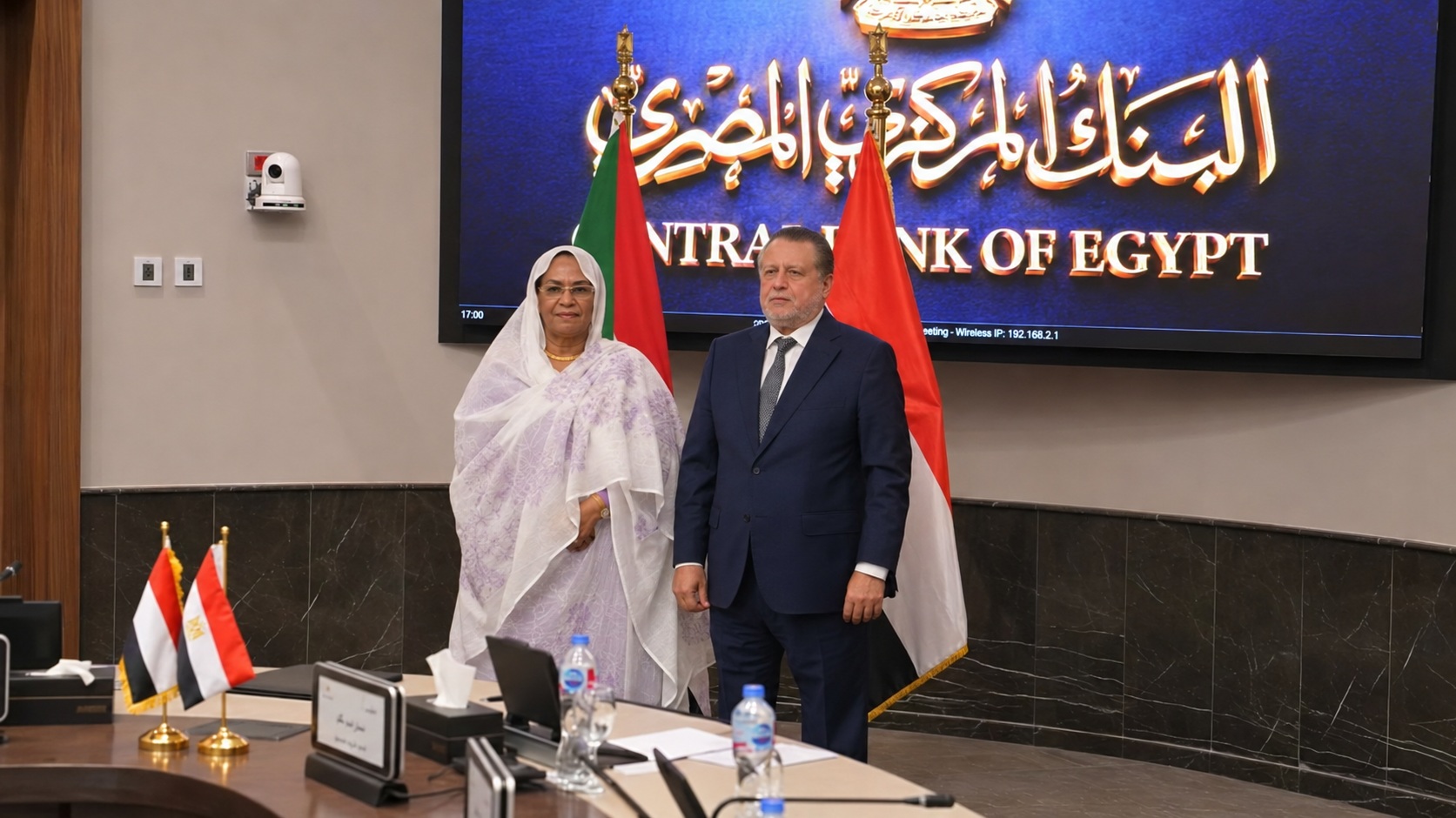
The Central Bank of Sudan and its Egyptian counterpart formally signed a Memorandum of Understanding (MoU) in Cairo on Thursday, November 26, 2026. This significant accord, a key step in fostering "مذكرة تفاهم بنك السودان المركزي مصر", was executed at the Central Bank of Egypt's new administrative capital building. The primary objectives of this agreement are to strengthen banking relations between the two nations, streamline foreign trade operations, and establish efficient channels for settling commercial payments.
Representing the Sudanese side, Governor Amna Mirghani Hassan Al-Tom affixed her signature to the document, while Governor Hassan Abdullah signed on behalf of the Egyptian Central Bank. This bilateral initiative seeks to address long-standing challenges that have historically impeded the smooth flow of financial transactions and trade between Sudan and Egypt, paving the way for a more integrated economic future.
Addressing Historical Barriers and Enhancing Regulatory Frameworks
For many years, the banking relationship between Sudan and Egypt has been hampered by significant structural and procedural obstacles. These issues severely restricted official financial transfers and meant that the movement of funds through banking channels did not adequately reflect the substantial volume of trade and social connections shared by the two countries. The newly signed MoU directly confronts these historical impediments, aiming to revitalize the financial infrastructure supporting bilateral commerce.
This comprehensive agreement aims to activate inter-bank relations, facilitate the exchange of regulatory information, and foster critical cooperation in combating money laundering and terrorist financing, a crucial aspect of "مكافحة غسل الأموال السودان مصر". Furthermore, the memorandum includes provisions designed to simplify the procedures for opening bank branches in both Sudan and Egypt, thereby expanding the physical presence and operational capacity of financial institutions across borders. This collaborative effort underscores a shared commitment to building a more robust and transparent financial ecosystem.
Streamlining Trade and Modernizing Financial Services
A core component of the MoU focuses on bolstering economic ties through enhanced trade facilitation. The agreement is set to significantly "تسهيل التجارة السودان مصر" by providing dedicated channels for settling commercial payments, a direct response to previous inefficiencies in cross-border transactions. This will particularly benefit Sudanese and Egyptian companies engaged in both export and import activities, ensuring smoother and more reliable financial flows.
Beyond trade, the memorandum outlines extensive cooperation in modernizing financial services. This includes the crucial exchange of expertise in areas such as financial inclusion, digital transformation, and advanced payment systems. By sharing knowledge and best practices, both central banks aim to upgrade their respective financial infrastructures, ultimately serving the mutual interests of Sudan and Egypt by creating a more efficient and accessible financial environment for businesses and individuals alike. The establishment of secure and efficient "تسوية المدفوعات التجارية السودان مصر" is a cornerstone of this modernization.
A Foundation for Deeper Partnership
The signing ceremony also served as an occasion to acknowledge the strong bonds between the two nations. Governor Amna Mirghani Hassan Al-Tom of the Central Bank of Sudan conveyed her profound gratitude and appreciation to the government and people of Egypt for their steadfast support during the recent conflict that impacted Sudan's national capabilities and its populace. This gesture highlights the broader context of solidarity underpinning the economic cooperation.
This "تعاون مصرفي سوداني مصري" is poised to lay a solid foundation for a more integrated and resilient economic partnership. By addressing past challenges and implementing forward-looking initiatives, the MoU is expected to foster greater financial stability, enhance trade volumes, and deepen the overall economic relationship between Sudan and Egypt, benefiting both their economies and societies.
Practical Implications
Lawyers advising businesses engaged in trade or financial services between Sudan and Egypt should anticipate streamlined payment processes and enhanced regulatory oversight, particularly concerning anti-money laundering and counter-terrorist financing efforts. Compliance officers must monitor for new guidelines or requirements resulting from this bilateral cooperation.
Source
How does this affect you?
Get an AI analysis of this article grounded in your jurisdictions, practice areas, and any policy documents you've uploaded to Wansom.
Finish Reading the Full Story and the Expert Analysis.
Get the latest legal & regulatory intelligence in Sudan
Wansom is AI and can make mistakes.