
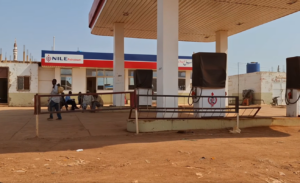
Sudan Army Personnel: Control Parallel Fuel Market in Wad Madani
Summary
- Wad Madani residents face severe living conditions, including acute fuel shortages, prolonged power cuts, and soaring prices.
- Members of the Sudanese Armed Forces are accused of exploiting their positions to control the parallel fuel market in Wad Madani.
- Military personnel reportedly abuse authority to gain preferential fuel access, leading to chaos at filling stations and dictating black market prices.
- Official directives warning against such military conduct are reportedly unenforced, existing only in media statements.
- The city's healthcare system is also in crisis, with expensive and scarce medicines, and hospitals struggling with disease outbreaks.
Dire Conditions Grip Wad Madani
Instead, the disorderly conduct and forceful acquisition of fuel by military members have reportedly positioned them as de facto operators of the El Gezira state black market, dictating prices that fluctuate between SDG 150,000 and SDG 170,000.
Residents of Wad Madani, a key city in Sudan’s El Gezira state, are currently enduring a severe deterioration of living conditions. The population faces extensive power outages, an acute scarcity of fuel, and a dramatic increase in the cost of essential goods, alongside a struggling healthcare system. This confluence of crises has brought daily life to a virtual standstill, with citizens grappling for even the most fundamental necessities.
The city is experiencing a profound Wad Madani fuel shortage, characterized by significantly reduced allocations for consumers. This has led to exceptionally long queues at filling stations, where individuals often wait for two or three days and nights without guaranteed access to their allotted fuel quantities. Compounding this, Wad Madani has been plagued by prolonged blackouts, a direct consequence of recent drone attacks targeting electricity-generating infrastructure. Power supply is highly erratic, frequently available only for a few hours in the morning before being cut off for the remainder of the day, sometimes not resuming until late the following evening.
Military's Grip on the Parallel Fuel Market
Amidst this widespread hardship, reports indicate that Sudan army personnel are exploiting their positions to gain preferential access to fuel, effectively taking control of the parallel fuel market in Wad Madani. Members of the regular Sudanese Armed Forces are accused of abusing their authority to secure priority in fuel distribution, transforming operations at local filling stations into a state of disarray. This alleged military corruption Sudan fuel dynamic means that while ordinary citizens endure lengthy waits, military personnel are reportedly bypassing established procedures.
These regular forces, which include the SAF, police, and allied armed groups such as the Joint Force and Sudan Shield, have reportedly issued public directives on social media, warning their members against storming fuel stations or seizing allocations at the expense of civilians. These notices also threaten accountability for such actions. However, residents lament that these official pronouncements remain largely unenforced, existing merely as media statements rather than practical deterrents. Instead, the disorderly conduct and forceful acquisition of fuel by military members have reportedly positioned them as de facto operators of the El Gezira state black market, dictating prices that fluctuate between SDG 150,000 and SDG 170,000.
Broader Societal Breakdown and Governance Failure
Beyond the immediate Sudan fuel crisis, the broader societal infrastructure in Wad Madani is crumbling. Healthcare services are in a dire state, with medical treatment becoming prohibitively expensive and the cost of medicines soaring. Many essential medications are now virtually unobtainable in pharmacies. Hospitals and healthcare facilities are simultaneously struggling with an increase in cases of dengue fever and malaria. Wad Madani Hospital, for instance, recently experienced a two-day full strike, only ending after the finance minister intervened with a promise to address the crisis.
The inability of governmental bodies to effectively manage the situation further exacerbates the suffering. The local Public Transport and Petroleum Department, for example, has reportedly been unable to oversee fuel station operations, with its employees often arriving only to depart again due to their incapacity to run the facilities. This widespread failure to organize and control essential services points to a significant breakdown in governance, leaving residents in a deeply distressing predicament and prompting appeals to the El Gezira governor and state government for urgent consideration of public needs, particularly for low-income households.
Practical Implications
This report indicates a severe breakdown of rule of law and governance in Wad Madani, with military personnel directly involved in and controlling illicit markets for essential goods. For lawyers and compliance officers, this highlights extreme operational and corruption risks for any entity operating in or engaging with the region, necessitating heightened due diligence, robust risk assessments for supply chains and local partnerships, and strict adherence to anti-corruption regulations.
Source
How does this affect you?
Get an AI analysis of this article grounded in your jurisdictions, practice areas, and any policy documents you've uploaded to Wansom.
Wansom is AI and can make mistakes.