
Sudan Accuses Ethiopia: 162 Drone Attacks Cause Civilian Deaths
Summary
- Sudan alleges 162 drone attacks from Ethiopian territory, resulting in over 500 casualties and significant destruction.
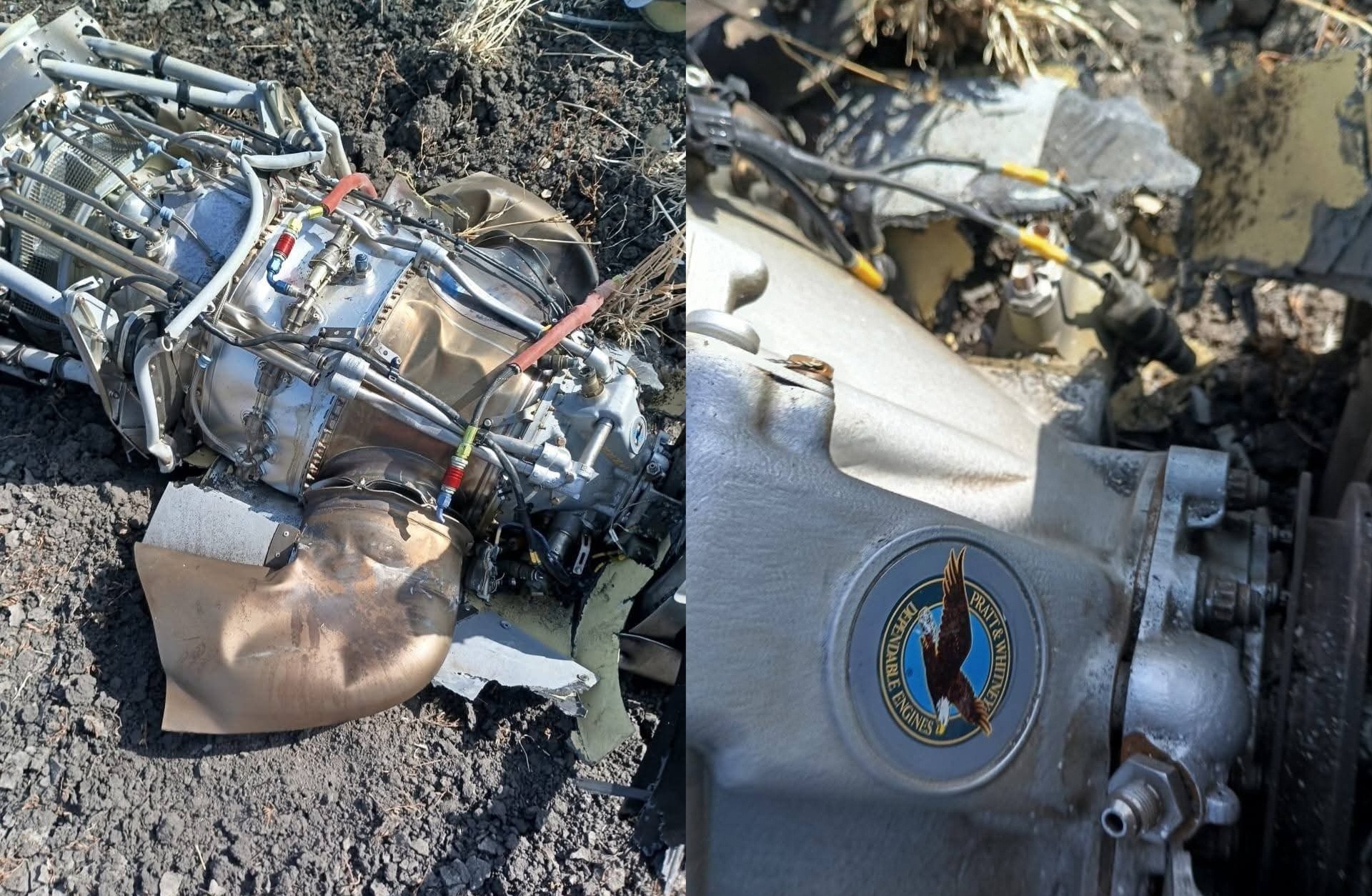
- The Sudanese government claims these attacks utilized various drone types, including Turkish-made Bayraktar Akıncı and Chinese models, launched from Ethiopian bases.
- Sudan accuses Ethiopia of supporting the Rapid Support Forces (RSF), a claim Ethiopia has previously denied as unfounded.
- Sudanese officials state the attacks aim to prevent displaced persons' return and risk escalating the conflict regionally.
- Sudan's Defence Minister further alleges over 20 countries are providing the RSF with logistical support, mercenaries, funding, and drones.
Escalating Cross-Border Accusations
Sudan has formally accused Ethiopia of orchestrating 162 drone attacks originating from its territory, leading to significant loss of life and widespread destruction.
Sudan has formally accused Ethiopia of orchestrating 162 drone attacks originating from its territory, leading to significant loss of life and widespread destruction. These alleged Sudan drone attacks civilian casualties are reported to have claimed the lives of more than 400 civilians and 102 military personnel. The accusations, which remain unverified by independent sources, were presented during a high-level briefing attended by senior military and intelligence officials, alongside undersecretaries from the foreign affairs and information ministries.
The Sudanese government detailed that these strikes have devastated numerous critical facilities, including dozens of schools, fuel stations, health centers, and hospitals. Specific locations cited as targets include El Damazin, El Mazmum, Sennar, Kosti, Rabak, Belong, El Kurmuk, El Dinder, Wad El Mahi, El Obeid, Abu Oileila, Bara, and Umm Rawaba. These grave allegations come amid broader claims by Sudan regarding Ethiopia RSF support allegations, suggesting a deeper involvement in the ongoing internal conflict.
Alleged Operational Details and Strategic Intent
Officials in Khartoum further elaborated on the operational aspects of these alleged incursions, identifying drone launch sites in Assosa, Bahir Dar, and various points along the Sudan Ethiopia border conflict. They indicated that the unmanned aerial vehicles followed flight paths that ran parallel to South Sudan. The types of aircraft allegedly deployed include modified kamikaze drones and long-range models, with specific mention of Chinese-made drones and Turkish-manufactured Bayraktar Akıncı and Bayraktar TB2 models. Sudanese forces claim to have successfully intercepted and shot down several of these drones, including Akıncı and CH-95 variants.
Beyond the immediate damage, Sudanese participants at the briefing asserted that the primary objective of these strikes is to impede the return of displaced populations to their homes, particularly in Khartoum, and to obstruct efforts aimed at restoring normalcy. They also expressed concerns that these alleged attacks risk expanding the internal conflict into a wider regional confrontation, ultimately seeking to destabilize and weaken Sudan.
Diplomatic Stance and Broader Conflict Claims
In response to these developments, Muawiya Osman Khalid, Undersecretary at the Ministry of Foreign Affairs, stated that the Sudanese government is adopting a policy of "strategic patience." However, he unequivocally affirmed that Sudan would not compromise on defending its sovereignty and Sudan territorial integrity Ethiopia. Khalid urged the international community to undertake concrete measures to halt what he characterized as aggression, which he believes endangers civilian lives and regional stability. Ethiopia has previously dismissed allegations of providing support to the RSF, labeling such claims as baseless.
Separately, Defence Minister Hassan Daoud Kabroun has made sweeping claims regarding external involvement in Sudan's internal strife. He asserted that more than 20 countries are actively participating in the conflict by supplying the RSF with logistical support, mercenaries, funding, and drones. Kabroun, in an interview with the Sudan News Agency (SUNA), described the ongoing hostilities not as a civil war or a struggle for power, but rather as a deliberate effort to dismantle Sudan, exploit its resources, and alter its demographic composition. He outlined the government's resolve to overcome what he termed "the rebellion, militias, and illegal movements," with the ultimate goal of securing the nation and establishing a modern, transparent, democratic state.
Practical Implications
Lawyers advising clients with operations or investments in Sudan or Ethiopia should closely monitor these escalating accusations of cross-border drone attacks and external support for armed groups. Such developments could heighten geopolitical risk, potentially leading to international legal interventions, sanctions, or disruptions to regional trade and security, requiring reassessment of compliance obligations and risk mitigation strategies.
Source
How does this affect you?
Get an AI analysis of this article grounded in your jurisdictions, practice areas, and any policy documents you've uploaded to Wansom.
Finish Reading the Full Story and the Expert Analysis.
Wansom is AI and can make mistakes.