
Sud-Kivu Government: Opposes AFC/M23 Extended Border Hours
Summary
- The Sud-Kivu provincial government has formally protested the extended operating hours at two border posts controlled by the AFC/M23.
- The Ruzizi 1er post will now remain open until midnight, and the Grande Barrière until 2 AM.
- Authorities fear these extended hours will facilitate the entry and settlement of new populations in AFC/M23-controlled areas.
- The government warns of potential opaque demographic and territorial changes, and opposes forced population movements.
- An appeal has been made to the international community and the United Nations to monitor the situation and take action.
Provincial Alarm Over Extended Border Hours
For the Sud-Kivu government, the extended operational hours at the Sud-Kivu Ruzizi 1er Grande Barrière crossings are not a benign adjustment to cross-border traffic.
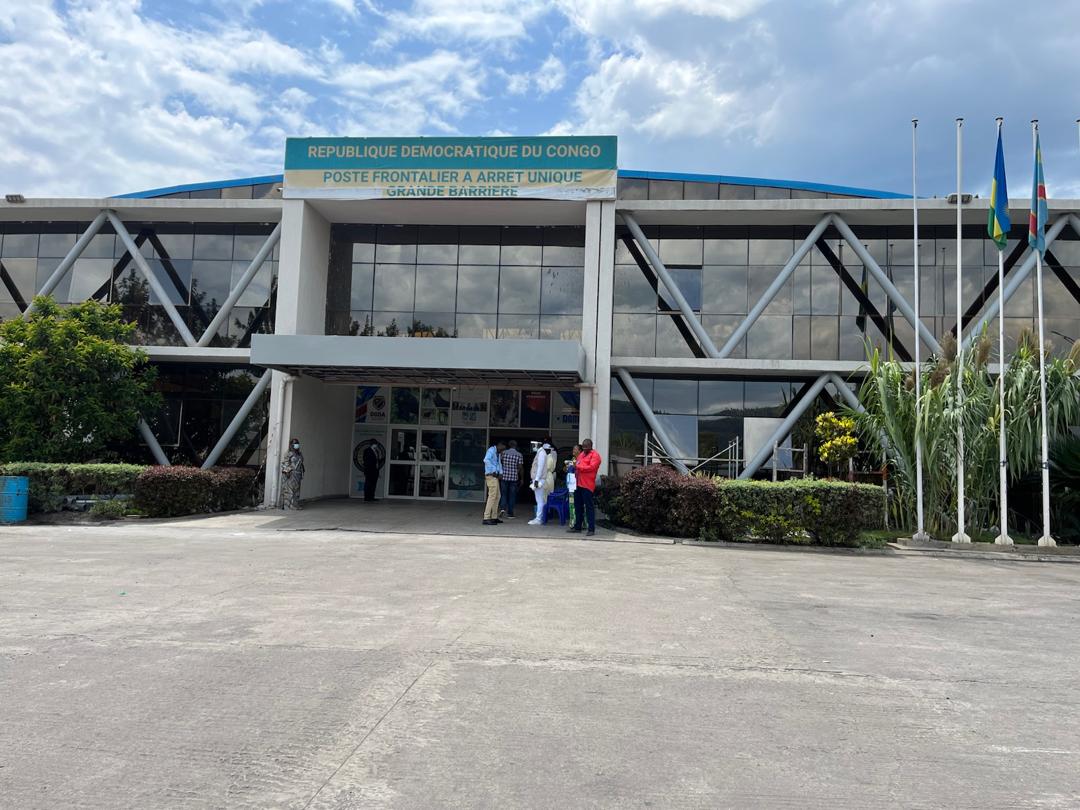
The provincial government of Sud-Kivu had issued a strong statement expressing its profound disquiet regarding the extension of operating hours at two crucial border crossings, the Ruzizi 1er post, situated in Bukavu, and the Grande Barrière crossing, located in Goma, which were at the time under the control of the AFC/M23. This official communication, released on Monday, October 5, 2025, specifically highlighted concerns over these key points of entry, which were then slated to remain open for considerably longer periods each day. Under the directives implemented by the AFC/M23, the Ruzizi 1er border post was to permit passage until midnight, while activities at the Grande Barrière were scheduled to continue until 2 AM. This decision by the AFC/M23 to implement extended border hours at these vital DRC border control points was met with immediate and vocal opposition from the Sud-Kivu provincial government. However, as of May 2026, the M23 had withdrawn from the Ruzizi Plain, and the Rusizi I and II border posts were temporarily closed due to an Ebola outbreak.
Deepening Concerns Over Demographic and Territorial Shifts
The Sud-Kivu provincial government statement, formally signed by its spokesperson Didier Kabi, articulates profound worries that go beyond simple border management. Provincial authorities are particularly apprehensive that these prolonged operating hours could facilitate an increased influx of new populations into Congolese territory. A significant concern is that these individuals might then settle within areas currently under AFC/M23 control, thereby exacerbating an already volatile situation characterized by widespread Congolese population displacement concerns.
This development is viewed against a challenging backdrop of extensive population movements, the ongoing occupation of several Congolese localities, and a humanitarian and security situation that remains acutely fragile. The provincial administration has explicitly warned against what it perceives as an opaque demographic and territorial evolution, suggesting that such a situation could gradually alter the fundamental composition of certain national zones. The government unequivocally opposes any policy leading to the displacement, replacement, or forced settlement of populations within the Democratic Republic of Congo, emphasizing the potential for long-term instability.
International Appeals and Precedent for Territorial Integrity
In light of these escalating concerns, the provincial authorities have issued an urgent appeal to the international community, calling for immediate measures to address the unfolding situation. They have specifically urged the United Nations to closely monitor population movements within the zones controlled by the AFC/M23. For the Sud-Kivu government, the extended operational hours at the Sud-Kivu Ruzizi 1er Grande Barrière crossings are not a benign adjustment to cross-border traffic. Instead, they represent a deeper challenge, raising significant questions about regional security, the management of populations, and the preservation of DRC territorial integrity concerns.
This provincial stance resonates with earlier warnings made on the international stage. On Tuesday, September 29, in New York, the Democratic Republic of Congo's representative to the United Nations addressed the UN Security Council. During this session, the representative cited reports detailing the displacement and "transplantation" of Rwandan populations into Congolese localities. These areas, it was noted, had been emptied of their original inhabitants following massacres allegedly perpetrated by the Rwandan army and the AFC-M23, providing a stark and concerning historical context to the current fears of demographic manipulation.
Practical Implications
This development signals heightened political and security risks in Sud-Kivu, potentially impacting cross-border trade, humanitarian operations, and raising international law concerns regarding population displacement and territorial integrity. Legal and compliance teams should assess implications for clients operating in or near these conflict zones, particularly concerning human rights due diligence and supply chain risks.
Source
How does this affect you?
Get an AI analysis of this article grounded in your jurisdictions, practice areas, and any policy documents you've uploaded to Wansom.
Finish Reading the Full Story and the Expert Analysis.
Get the latest legal & regulatory intelligence in DR Congo
Wansom is AI and can make mistakes.