
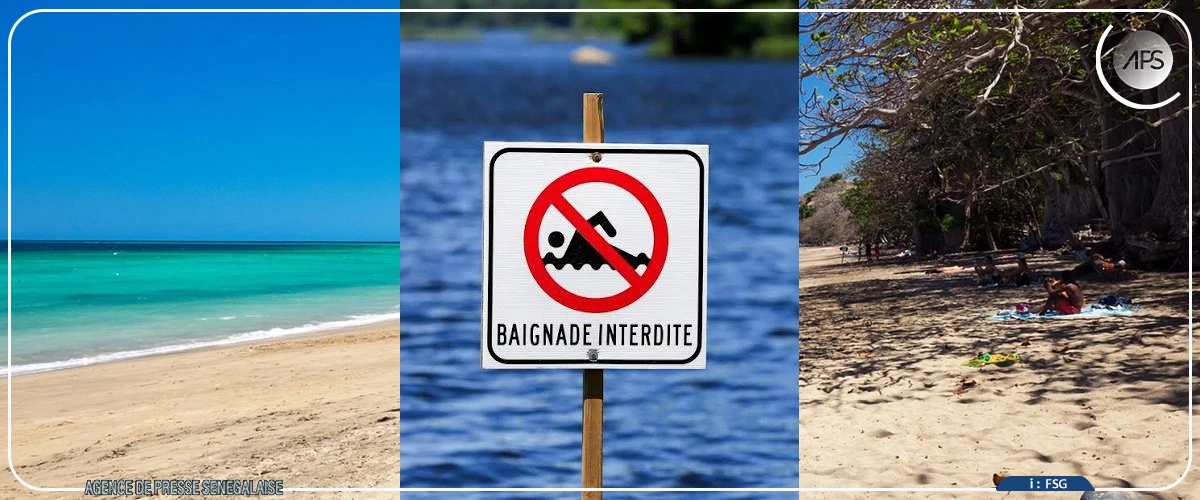
Sub-Prefect Issues Order Prohibiting Swimming at Notto Gouye Diama Beach
In Senegal, on a Tuesday reported on September 30, the sub-prefect of Pambal, Abdoulaye Sow, issued a temporary administrative order (arrêté) prohibiting swimming at Notto Gouye Diama beach in the Tivaouane department.
This administrative action was taken as a public safety measure to address the alarmingly frequent cases of drowning at the specific beach. The sub-prefect, as a local administrative authority, exercised his police powers to temporarily restrict public access to the water, demonstrating a proactive approach to mitigating immediate risks to human life. While the excerpt does not specify the duration of the ban, its provisional nature suggests it is a temporary measure pending further assessment or resolution of the underlying safety issues.
For legal practitioners, this event highlights the significant administrative police powers vested in local authorities within Senegal's administrative law framework. Sub-prefects, as representatives of the central government at the arrondissement level, are empowered to issue such *arrêtés* to maintain public order, safety, and hygiene. These powers are typically derived from general administrative codes and specific legislation governing local governance and public safety. The legal context underscores that such orders are legally binding and enforceable, and non-compliance could lead to administrative penalties.
The key parties involved are Abdoulaye Sow, the Sub-prefect of Pambal, acting on behalf of the local administration within the Tivaouane department, and the general public, particularly residents and visitors to Notto Gouye Diama beach, whose activities are directly impacted by the ban. The Agence de Presse Sénégalaise (APS) served as the reporting source for this development.
Attorneys advising businesses in the tourism, hospitality, or leisure sectors, as well as individuals residing in or visiting coastal areas of Senegal, should be acutely aware of the broad scope of administrative police powers held by local authorities. It is crucial to monitor local administrative *arrêtés* that can swiftly impact public access, business operations, or land use. Understanding the legal basis for such orders and the potential avenues for administrative challenge or appeal, though not indicated as pursued in this instance, is essential for ensuring client compliance and protecting their interests.
How does this affect you?
Get an AI analysis of this article grounded in your jurisdictions, practice areas, and any policy documents you've uploaded to Wansom.
Finish Reading the Full Story and the Expert Analysis.
Get the latest legal & regulatory intelligence in Senegal
Wansom is AI and can make mistakes.