
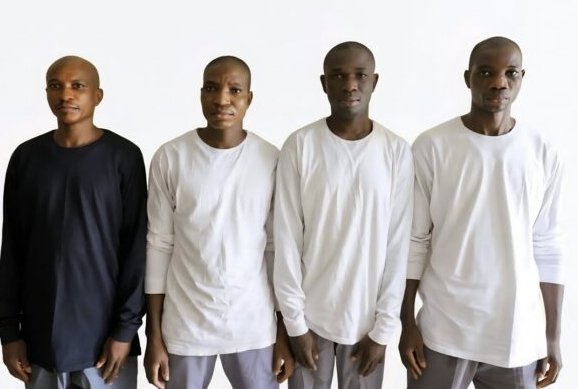
SSS Frees IPOB Detainees, Orders ₦20 Million Compensation
Summary
- SSS Director-General Oluwatosin Ajayi ordered the release of four men detained since 2022 over alleged IPOB links.
- The released individuals will receive an initial compensation totaling ₦20 million from the SSS.
- Each of the four men is expected to be compensated with ₦5 million.
- The decision addresses concerns regarding prolonged and potentially unlawful detention by the State Security Service.
Release and Compensation Ordered
The approval of ₦20 million SSS compensation for the four men sets a notable precedent regarding state accountability for human rights violations, specifically in instances of unlawful detention.
The State Security Service (SSS) has recently mandated the release of four individuals who were apprehended in 2022 on suspicion of ties to the proscribed Indigenous People of Biafra (IPOB). This directive came from the Director-General of the SSS, Oluwatosin Ajayi, marking a significant development in their prolonged detention. The order not only secured their freedom but also included an initial compensation package for the men.
In a move underscoring accountability for their extended confinement, the SSS Director-General approved a total compensation of ₦20 million. This sum is designated to be distributed among the four released detainees, with each individual slated to receive ₦5 million. This decision addresses the period of their detention, which began two years prior to their release order.
Context of Detention and Human Rights
The individuals had been held since 2022, following their arrest based on alleged connections to IPOB, a group that has been proscribed in Nigeria. Their case highlights concerns surrounding the duration and legality of detentions without formal charges or trial, a recurring issue in human rights discussions within the country. The SSS's action to free these men and provide recompense acknowledges the implications of such prolonged custody.
This development implicitly recognizes the principle that individuals should not be held indefinitely without due process, a sentiment often echoed by human rights advocates. The decision by the State Security Service Nigeria to not only release but also compensate these individuals for their unlawful detention underscores a potential shift towards greater adherence to legal frameworks governing arrests and custody, particularly in cases involving alleged links to proscribed organizations like IPOB.
Implications for State Accountability
The approval of ₦20 million SSS compensation for the four men sets a notable precedent regarding state accountability for human rights violations, specifically in instances of unlawful detention. The directive from Oluwatosin Ajayi, the Director-General, signals a willingness by the security agency to address past grievances and potentially mitigate future similar occurrences. This action could encourage a more rigorous review of detention practices across various security apparatuses.
This case, where the SSS frees IPOB detainees compensation, serves as a critical example for future legal challenges against state security agencies concerning prolonged or unlawful custody. It reinforces the idea that even in matters of national security, the rights of individuals must be respected, and deviations from due process can result in financial redress. The payment of ₦5 million to each of the four men underscores the tangible consequences for extended detentions without proper legal justification.
Practical Implications
This development sets a precedent for state accountability regarding human rights violations, specifically unlawful detention. Lawyers should note this for advising clients on potential claims against state security agencies for similar detentions and for monitoring the state's adherence to due process and human rights.
Source
How does this affect you?
Get an AI analysis of this article grounded in your jurisdictions, practice areas, and any policy documents you've uploaded to Wansom.
Wansom is AI and can make mistakes.