
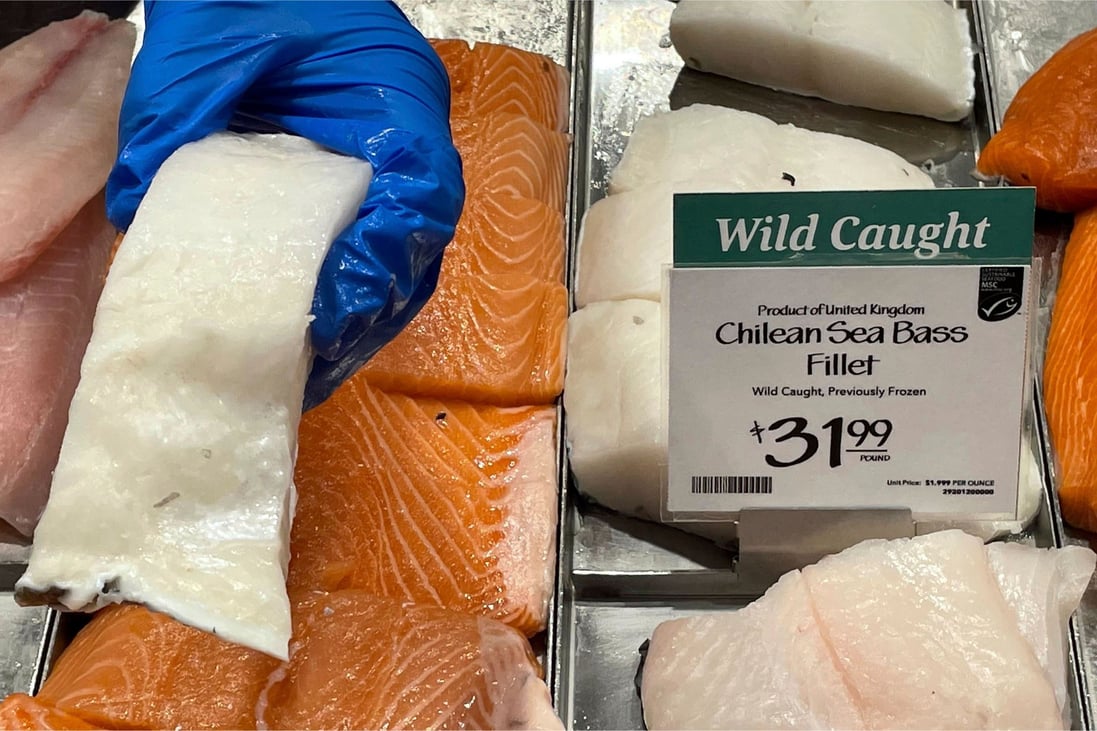
Southern Cross Seafoods 11th Circuit Appeal: Challenges Chilean Sea Bass Import Ban
Summary
- Southern Cross Seafoods is appealing a U.S. government ban on its Chilean sea bass imports to the 11th Circuit.
- The ban stems from a 2021 international dispute within the CCAMLR, where Russia rejected proposed catch limits, breaking consensus.
- The U.K. then allowed limited fishing near South Georgia, from which Southern Cross Seafoods sourced its fish.
- Southern Cross argues that without CCAMLR consensus, no prohibition exists, making the import ban arbitrary.
- Appellate judges are debating whether the default rule is "everything is permitted" or if the lack of agreement implies no fishing is allowed.
What Happened
This Southern Cross Seafoods 11th Circuit appeal underscores the intricate challenges inherent in interpreting international treaties within domestic legal systems, particularly concerning trade and environmental regulations when global consensus falters.
A Texas-based seafood distributor, Southern Cross Seafoods, is currently challenging a federal decision that blocked its imports of Chilean sea bass, also known as Patagonian toothfish, into the United States. The company brought a lawsuit against the U.S. government in 2022 after the National Marine Fisheries Service denied its application to import the popular fish through Florida. This denial followed federal regulators blocking two shipments of the species, citing a conservation dispute involving numerous nations.
The contested seafood originated from waters near the U.K.-controlled South Georgia island in the South Atlantic, where it was caught by a U.K.-licensed fishing company before being sold to Southern Cross Seafoods. This four-year restriction on Chilean sea bass imports stems from an international disagreement over fishing practices in the sensitive Antarctic region. The ongoing legal battle has now reached the 11th Circuit, where Southern Cross Seafoods is seeking to overturn the import ban.
The International Framework
The management of Patagonian toothfish harvesting falls under the purview of the Convention on the Conservation of Antarctic Marine Living Resources (CCAMLR), an international body established by a treaty in 1980. Comprising 26 member countries, CCAMLR convenes annually to establish catch limits for various marine species, including the highly valued Chilean sea bass, operating on a principle of consensus. However, this framework encountered a significant challenge in 2021 when Russia rejected proposed catch limits, effectively halting fishing activities for most member nations in the affected area.
In response to this breakdown in consensus, the United Kingdom opted to implement its own regulations, permitting limited fishing near its territory of South Georgia. It was under these U.K.-licensed operations that the Chilean sea bass destined for Southern Cross Seafoods was harvested. The U.S. government's subsequent decision to enforce a Chilean sea bass import ban, based on its interpretation of the CCAMLR agreement despite the lack of international consensus, directly led to the current legal dispute.
Legal Arguments and Appeal
The initial legal challenge saw a Miami federal judge, U.S. District Judge David Leibowitz, rule in favor of the government last year, stating that CCAMLR was created to protect Antarctic marine life. Southern Cross Seafoods promptly appealed this decision to the 11th Circuit. During the recent hearing, attorney Raoul Cantero, representing Southern Cross Seafoods, argued before a three-judge panel that the absence of consensus among CCAMLR member countries meant no specific limits or prohibitions were officially established. Consequently, he contended, the government's import ban was arbitrary and unlawful, asserting that the default rule in such a situation is that "everything is permitted." Cantero emphasized that the case presents a purely legal question, highlighting that this would mark the first instance in the convention's history where fishing has been implicitly prohibited.
The appellate judges engaged in a robust debate regarding the default position of CCAMLR in the absence of consensus. U.S. Circuit Judge Charles Wilson indicated that Supreme Court precedent grants "great weight" to the government's interpretation of international treaties, suggesting that the conservation purpose of the treaty favored the government's stance. Conversely, U.S. Circuit Judge Robin Rosenbaum argued that while members agreed limits were necessary, their inability to concur on specific figures implied that "You either adopt a limit or else there’s no fishing." U.S. Circuit Judge Kevin Newsome, however, questioned the default rules, appearing to lean towards the seafood company's perspective that everything might be permitted without an explicit prohibition.
Why It Matters
This Southern Cross Seafoods 11th Circuit appeal underscores the intricate challenges inherent in interpreting international treaties within domestic legal systems, particularly concerning trade and environmental regulations when global consensus falters. The case highlights how the U.S. government's seafood import policies can be directly impacted by the nuanced interpretations of international conservation agreements like the CCAMLR treaty interpretation. The outcome of this Patagonian toothfish lawsuit could establish a significant precedent for how U.S. courts address import restrictions based on non-consensus interpretations of international conservation agreements.
Lawyers and compliance officers involved in import/export, especially for regulated goods, should closely monitor this appeal for clarity on how such disputes will be resolved, potentially influencing future regulatory challenges and the scope of the US government seafood import authority.
Practical Implications
This case highlights the complexities of interpreting international treaties in domestic courts, particularly regarding trade and environmental regulations when international consensus breaks down. Lawyers and compliance officers involved in import/export, especially for regulated goods, should monitor this appeal for clarity on how US courts will treat import restrictions based on non-consensus interpretations of international conservation agreements, potentially setting a precedent for future regulatory challenges.
Source
Source: Original reporting via CN.
How does this affect you?
Get an AI analysis of this article grounded in your jurisdictions, practice areas, and any policy documents you've uploaded to Wansom.
Wansom is AI and can make mistakes.