
Environmental Groups File Mexico Vaquita Amparo Lawsuit Over Gillnets
Summary
- Environmental groups have filed an amparo lawsuit in Mexico to challenge new gillnet fishing regulations.
- The regulations, enacted October 15, reduced protected vaquita habitat by 86%, or thousands of square miles.
- Only about 10 critically endangered vaquita porpoises remain, threatened by gillnets used for shrimp and illegal totoaba fishing.
- Plaintiffs allege the Mexican government violated its commitments under the United Nations Escazú Agreement.
- Following the lawsuit, the Mexican government pledged new protection efforts, including surveillance, fisheries management, and economic alternatives for communities.
Legal Challenge to Vaquita Protections
The Mexican government's October 14 modification drastically reduced the previously protected vaquita habitat and the area where gillnet fishing was prohibited, shrinking it by thousands of square miles, an 86% decrease from its prior extent.
Environmental organizations have initiated an amparo lawsuit in Mexico, seeking to halt recently enacted gillnet fishing regulations that they contend further endanger the critically imperiled vaquita porpoise.
The legal action, brought by the Center for Biological Diversity, Conservation of Marine Mammals of Mexico, and Greenpeace Mexico, was filed on a Friday, immediately following the implementation of the new rules. These updated regulations, which took effect on October 15, represent an amendment to a 2020 gillnet fishing decree.
The Mexican government's October 14 modification drastically reduced the previously protected vaquita habitat and the area where gillnet fishing was prohibited, shrinking it by thousands of square miles, an 86% decrease from its prior extent. Critics argue that this decision was made without adequate public consultation. Alex Olivera, Mexico representative for the Center for Biological Diversity, emphasized that the government's action could have catastrophic consequences for the vaquita, especially given its extremely low population. He highlighted that vaquitas do not adhere to mapped boundaries and have been observed outside designated "zero tolerance" zones.
The Plight of the Vaquita and Gillnet Peril
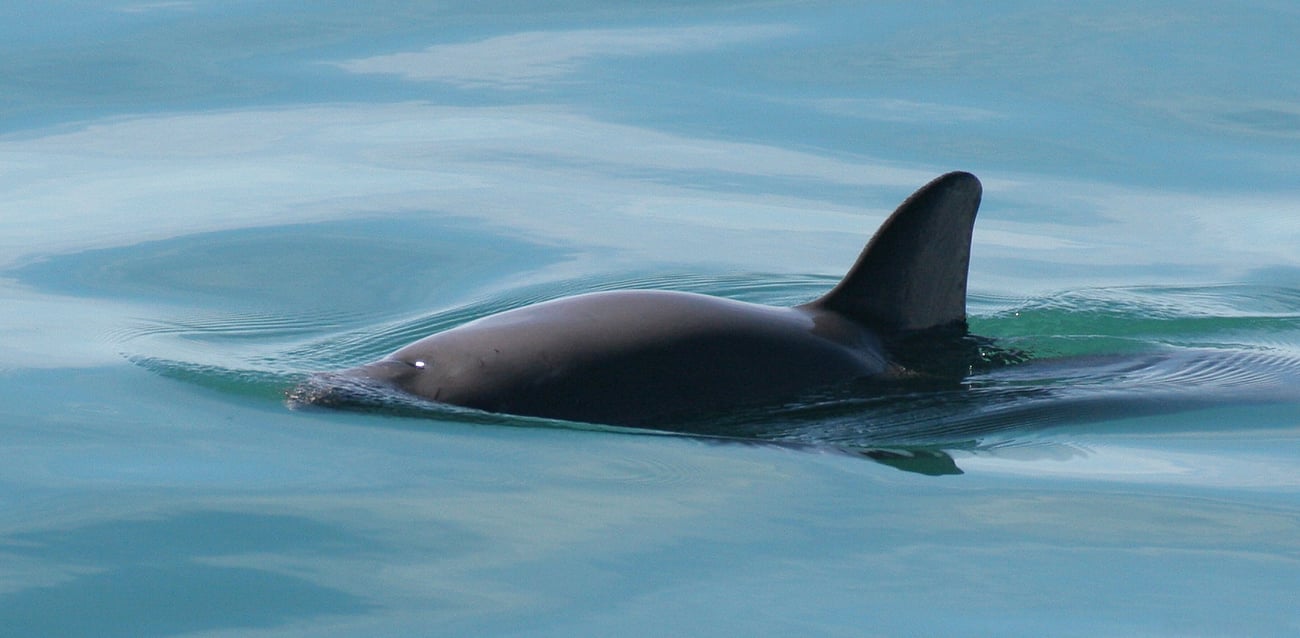
The vaquita, a diminutive porpoise species, is endemic exclusively to the northern reaches of the Gulf of California, off Baja California. Its population has dwindled to an alarming count of approximately 10 individuals, making it one of the most critically endangered marine mammals globally.
While fishermen do not intentionally target vaquitas, these small cetaceans are highly susceptible to entanglement and drowning in gillnets. These nets are commonly deployed by local fishermen in Baja for catching shrimp, but they are also illegally utilized to capture the wild totoaba. The totoaba, an endangered fish also native to Baja California, is illicitly sought after for its swim bladder, known as "buche." This product commands exorbitant prices, often hundreds of thousands of dollars, on the Chinese black market. The continued use of gillnets for this illegal trade poses a direct and severe threat to the vaquita's survival.
International Commitments and Regulatory Failures
The amparo lawsuit specifically challenges the Mexican government's adherence to its environmental obligations, particularly referencing the United Nations Escazú Agreement. Mexico formally signed this international accord in September 2018. The Escazú Agreement is designed to ensure the full and effective implementation of rights related to environmental information access, public participation in environmental decision-making processes, and access to justice in environmental matters across Latin America and the Caribbean.
Environmental groups contend that the recent regulatory changes, enacted without meaningful public input, violate the spirit and letter of these commitments. This is not the first time Mexico gillnet fishing regulations have sparked controversy. A 2017 report by the International Committee for the Recovery of the Vaquita (CIRVA) acknowledged a 2017 Mexican government agreement that banned commercial gillnet fishing in the Upper Gulf of Baja California. However, CIRVA deemed this ban insufficient, advocating for a permanent and truly effective prohibition. The committee pointed out that the 2017 ban failed to prohibit the sale or possession of gillnets both on land and at sea within the designated area, which inadvertently facilitated continued illegal gillnet fishing.
Government's Response and Future Strategy
In what appeared to be a direct response to the newly filed amparo lawsuit, the Mexican government issued a public statement on the same Friday, pledging renewed efforts to protect the vaquita. This commitment outlines a multi-faceted strategy that includes enhanced surveillance, improved fisheries management practices, and robust measures to combat the illegal trafficking of species.
A key component of this strategy involves providing economic alternatives for coastal communities, aiming to reduce reliance on unsustainable or illegal fishing practices. The government articulated that its approach seeks to integrate environmental conservation with social justice, thereby safeguarding marine ecosystems while simultaneously creating opportunities for populations historically dependent on natural resources. This strategy, according to the government, promotes sustainable fishing and encourages community involvement in decisions affecting regional development.
Practical Implications
Lawyers advising clients in Mexico's fishing or environmental sectors should monitor this amparo lawsuit, as its outcome could impact the stability of environmental regulations, enforcement of international agreements like the Escazú Agreement, and compliance obligations related to marine conservation and endangered species protection.
Source
How does this affect you?
Get an AI analysis of this article grounded in your jurisdictions, practice areas, and any policy documents you've uploaded to Wansom.
Wansom is AI and can make mistakes.