
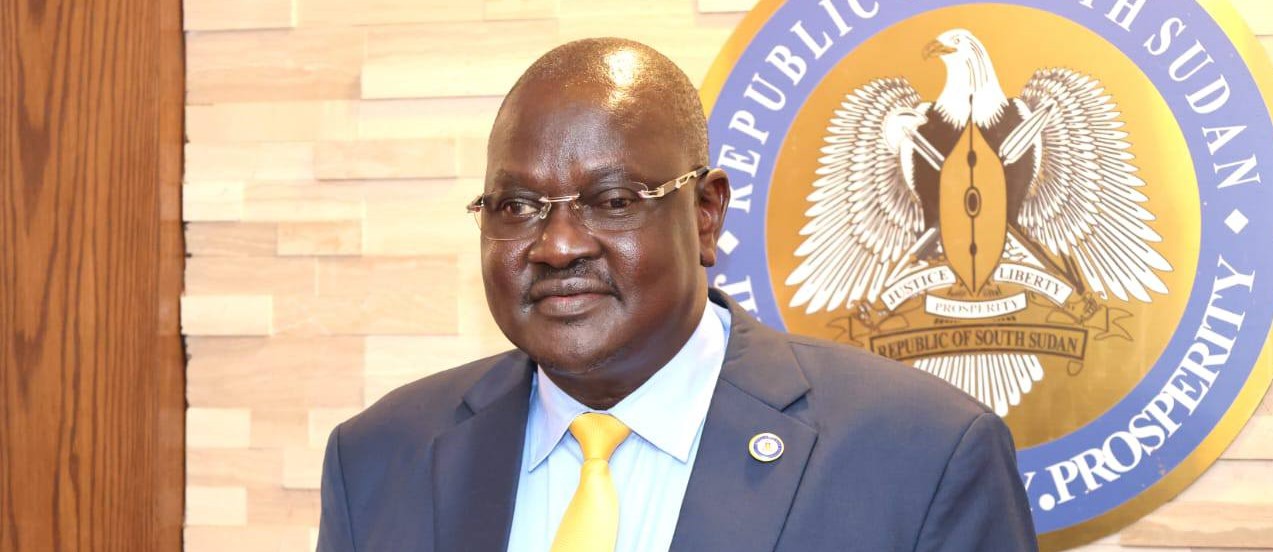
Ateny Wek Ateny: Defends South Sudan Telecom Tariff Increase to Avert Collapse
Summary
- South Sudan's Minister of Information, Communication and Postal Services, Ateny Wek Ateny, defended recent telecom tariff increases as necessary to prevent a nationwide service shutdown.
- The minister cited worsening economic conditions, including limited access to foreign currency, as the primary reason for telecommunication companies facing financial losses and operational difficulties.
- The National Communication Authority clarified that while underlying tariffs remain unchanged, the exchange rate used for calculations has been adjusted to reflect current economic realities.
- Public concern and questions from lawmakers about regulatory oversight have led to a parliamentary inquiry, requesting Minister Ateny to explain the increases and the government's role.
- Ateny acknowledged a shift from his previous criticism of a similar 2024 increase, stating his earlier position was based on assumptions before understanding the sector's direct challenges.
Minister Defends Telecom Tariff Hike
The government firmly maintains that ensuring the continued operation of mobile and internet services across the nation is an indispensable priority.
South Sudan's Minister of Information, Communication and Postal Services, Ateny Wek Ateny, recently articulated a defense for the country's escalating telecommunications charges. He asserted that the adjustment was a critical step to avert a potential nationwide cessation of mobile and internet services. This justification follows a series of price adjustments by major providers, including MTN, Zain, and Digitel, which have sparked considerable public discussion.
The government, alongside the telecom operators, has consistently attributed these increases to a confluence of factors, including persistent inflation, the depreciation of the South Sudanese Pound, and restricted access to foreign currency. While the National Communication Authority (NCA) clarifies that the fundamental tariff structures remain unaltered, it confirms that the exchange rate used for calculating these tariffs has been revised to align with current economic realities. This distinction is crucial for understanding the mechanics behind the recent South Sudan telecom tariff increase Ateny has defended.
Economic Pressures and Ministerial Shift
Minister Ateny Wek Ateny emphasized that the deteriorating economic climate within South Sudan has rendered it increasingly challenging for telecommunication companies to sustain their operations. He highlighted the critical need for foreign currency to cover essential operational expenses such as fuel, equipment procurement, network maintenance, and various other services. The severe limitations on accessing hard currency have, according to Ateny, driven these companies into significant financial losses.
Ateny reflected on his own prior criticism of a similar tariff hike in 2024, which occurred before his ministerial appointment. He explained that his earlier stance was predicated on assumptions regarding the difficulties faced by telecommunication providers. He now suggests that external analysts might project scenarios without having direct insight into the sector's actual challenges, underscoring a shift in his perspective now that he is directly involved in addressing the foreign currency impact South Sudan telecom operators face. His current position underscores a difficult choice, as he stated he opted for the increment simply because it would allow services to continue, prioritizing service continuity over maintaining previous price levels.
Regulatory Scrutiny and Parliamentary Inquiry
The recent adjustments to telecom charges have not been without controversy, generating significant public concern and prompting scrutiny from within the legislature. Several lawmakers have openly questioned the extent of regulatory oversight applied to telecommunications companies operating in South Sudan. This growing unease has culminated in a formal call from Parliament for Minister Ateny to provide a comprehensive explanation for the tariff increases.
Furthermore, Parliament has requested clarification regarding the government's precise role in regulating the telecommunications sector. This South Sudan telecom regulation parliamentary inquiry signals a potential for increased legislative involvement in an area previously managed primarily by the National Communication Authority and the Ministry. The outcome of this inquiry could have significant implications for how future telecom charges, including those from the MTN Zain Digitel South Sudan price hike, are determined and justified.
Government's Rationale and Broader Implications
The government firmly maintains that ensuring the continued operation of mobile and internet services across the nation is an indispensable priority. Officials assert that the latest tariff adjustment is fundamentally designed to prevent widespread service disruptions, rather than serving as a mere mechanism for price escalation. This perspective frames the decision as a strategic imperative to maintain essential connectivity in the face of severe economic headwinds.
The Minister's defense, delivered during an address to state-owned SSBC, underscores the administration's commitment to service stability. The ongoing parliamentary inquiry into these telecom charges, and the broader context of Ateny Wek Ateny telecom charges defense, highlights the complex interplay between economic pressures, regulatory frameworks, and public service provision in South Sudan.
Practical Implications
Compliance officers and legal counsel for businesses operating in South Sudan should closely monitor the ongoing parliamentary inquiry into the telecom tariff increases, as it may lead to new regulatory directives or policy changes affecting operational costs and service stability for telecommunication providers and their corporate clients.
Source
How does this affect you?
Get an AI analysis of this article grounded in your jurisdictions, practice areas, and any policy documents you've uploaded to Wansom.
Wansom is AI and can make mistakes.