
South Sudan: Government Rules Out Forced Evictions in National Parks
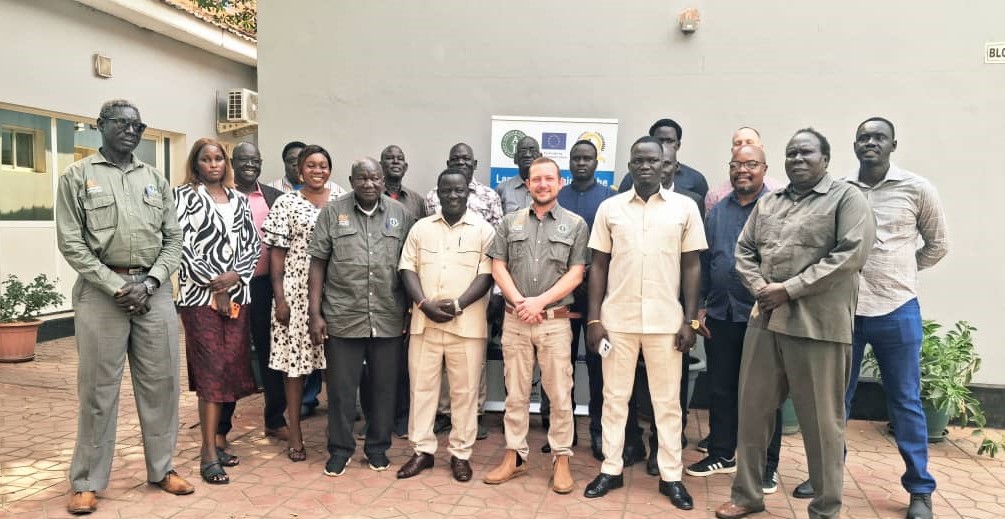
South Sudan's Ministry of Wildlife Conservation and Tourism announced on Tuesday in Juba that it will prioritize negotiations and rule out forced evictions for communities residing within national parks as part of a new demarcation plan. This significant policy shift was communicated by Martin Ring Malek, the Ministry's Assistant Director General for Administration and Finance and Deputy Chairperson of the Land Use Planning Committee, following a two-day validation workshop on the proposed National Protected Area Demarcation Guidance. The government is actively developing comprehensive guidelines to address the expansion of settlements into the country's six national parks, which will include provisions for community consultations, negotiations, and potential relocation, rather than coercive measures. Authorities intend to first establish clear boundaries for protected areas and then verify whether communities occupying the land possess legitimate historical claims, requiring residents to provide evidence of land inheritance predating the establishment of the national parks. Where such evidence is compelling, the government may consider adjusting park boundaries or negotiating relocation terms. The exact number of people living within these protected areas remains to be determined.
This development carries substantial legal significance for South Sudan, signaling a commitment to a more rights-based approach to conservation and land management. By ruling out forced evictions, the government aims to mitigate potential conflicts, uphold customary land rights, and foster greater community engagement in environmental protection efforts. For legal practitioners, businesses, and investors, this policy underscores the critical importance of conducting thorough due diligence on land tenure and community consent before engaging in any projects within or adjacent to protected areas. It sets a precedent for how the government intends to balance its environmental conservation mandates with the human rights and livelihoods of its citizens, potentially influencing future land-use planning and resource management strategies across the nation.
The legal context for this initiative is rooted in South Sudan's broader framework governing land ownership, customary rights, and environmental protection. While the specific statutes are not detailed in the excerpt, the Land Act, 2009, and various environmental protection laws would form the backdrop against which these new guidelines are developed and implemented. The concept of 'gazetted' protected areas and the recognition of pre-existing legitimate claims are central to this process, requiring a careful legal assessment of historical evidence. Key parties involved include the Ministry of Wildlife Conservation and Tourism, the Land Use Planning Committee, and crucially, the affected communities themselves, whose historical claims and participation in negotiations will shape the outcomes. The process highlights the interplay between statutory law, customary law, and administrative policy in resolving complex land disputes.
For attorneys advising clients on land use, environmental compliance, or investment in South Sudan, it is imperative to closely monitor the finalization and implementation of the National Protected Area Demarcation Guidance. Practitioners should advise clients on the necessity of robust community engagement strategies, comprehensive land tenure assessments, and adherence to international best practices for human rights and environmental safeguards. The emphasis on negotiation and evidence-based claims means that any development or conservation project in these areas will require meticulous legal and anthropological groundwork to identify and address potential historical land rights. While the outcome of specific relocations or boundary adjustments is not yet reported, the framework for how these will be approached is now clearer, demanding a proactive and sensitive legal approach to avoid disputes and ensure compliance with evolving national policy.
How does this affect you?
Get an AI analysis of this article grounded in your jurisdictions, practice areas, and any policy documents you've uploaded to Wansom.
Finish Reading the Full Story and the Expert Analysis.
Get the latest legal & regulatory intelligence in South Sudan
Wansom is AI and can make mistakes.