
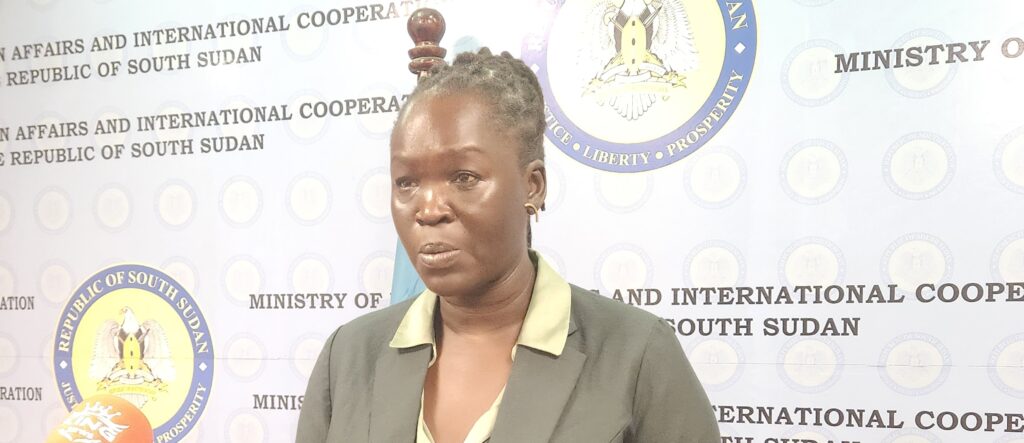
South Sudan Embassy Nairobi: Rent Arrears Dispute Sparks Closure Reports
Summary
- South Sudan's Foreign Ministry denied its Nairobi embassy was closed on August 13, citing an unspecified "technical issue" for service disruptions.
- Radio Tamazuj and embassy staff reported the embassy closed on August 11 due to approximately four months of unpaid rent arrears.
- A South Sudanese citizen was turned away from the embassy on August 12 while attempting to process travel documents.
- The Nairobi embassy has a history of closures due to unpaid rent, including in November 2025, with a presidential envoy paying three months' rent earlier this year.
- South Sudan faces significant fiscal pressures and cash shortages, heavily dependent on oil revenues, impacting its ability to meet financial obligations.
Diplomatic Services Interrupted in Nairobi
The current Nairobi South Sudan Embassy rent dispute appears to be part of a recurring challenge for the diplomatic mission.
Operations at the South Sudan Embassy in Nairobi have recently faced disruption, sparking conflicting reports regarding the mission's status. On Thursday, August 13, South Sudan's Ministry of Foreign Affairs and International Cooperation issued a statement asserting that its embassy in Nairobi had not closed. The ministry attributed a temporary, unspecified "technical issue" to the disruption of some services, indicating that the matter was actively being resolved. However, the official communication did not elaborate on the nature of this technical problem, which specific services were affected, or provide a timeline for the resumption of normal operations.
This official stance from the South Sudan foreign ministry statement directly contradicted reports published a day earlier by Radio Tamazuj. On Wednesday, August 12, the outlet reported the Nairobi South Sudan embassy closure, citing both staff members and visitors who confirmed service disruptions. Embassy staff explicitly attributed the cessation of services to unpaid rent arrears, a detail conspicuously absent from the ministry's subsequent statement. According to these staff accounts, the embassy, situated in Nairobi’s Kilimani neighbourhood, had ceased operations on Tuesday, August 11.
The impact of these disruptions was immediately felt by citizens. A South Sudanese national, identified as Stephen, recounted being turned away by security guards on Wednesday when he attempted to process travel documents at the embassy. The ministry's statement also broadly dismissed claims of other South Sudanese diplomatic missions abroad having closed, affirming that all such missions remain operational and continue to fulfill their functions, without specifically addressing the Nairobi South Sudan Embassy rent arrears.
A Pattern of Rent Arrears
The current Nairobi South Sudan Embassy rent dispute appears to be part of a recurring challenge for the diplomatic mission. Staff members indicated that the South Sudan government was approximately four months behind on rent payments for the Kilimani embassy, though the precise amount owed could not be independently verified at the time. This is not an isolated incident; the Nairobi embassy has previously experienced service disruptions due to its failure to meet rental obligations.
Notably, the embassy was also closed in November 2025 after falling behind on rent payments, highlighting a persistent issue with financial management. More recently, earlier this year, Senior Presidential Envoy for Special Programmes Adut Salva Kiir reportedly intervened to settle three months of rent for the embassy. Despite these past interventions and the current alleged arrears, the Ministry of Foreign Affairs and International Cooperation's official statement on August 13 made no mention of the rent dispute, focusing solely on the unspecified "technical issue."
South Sudan's Fiscal Challenges
The ongoing issues with the South Sudan Embassy Nairobi rent arrears are symptomatic of broader financial strain within the South Sudanese government. In recent years, the nation has grappled with mounting fiscal pressures and significant cash shortages, largely due to its economy's heavy reliance on oil revenues. This economic vulnerability has severely impacted the government's capacity to fulfill various financial commitments, both domestically and internationally.
Such financial instability directly affects the operational continuity of its diplomatic missions, including the South Sudan diplomatic mission Kenya services. The government's struggle to meet external obligations, such as rent for its embassies, underscores the deep-seated economic challenges facing the country. While the Foreign Ministry maintains that all its missions are operational, the specific situation in Nairobi, coupled with the underlying financial difficulties, suggests a precarious environment for the consistent delivery of diplomatic services.
Why It Matters for Stakeholders
The uncertainty surrounding the South Sudan Embassy Nairobi closure and the conflicting explanations present significant challenges for individuals and entities relying on its services. The lack of specific details from the Ministry of Foreign Affairs regarding the "technical issue" and the timeline for resolution, combined with the unaddressed reports of unpaid rent, creates an environment of unpredictability. This situation could directly impact the processing of essential documents, such as travel papers, business certifications, and official communications, potentially leading to delays or outright unavailability of services.
For lawyers advising clients who depend on the South Sudan diplomatic mission Kenya services, this scenario necessitates heightened awareness and contingency planning. The potential for ongoing service disruptions due to the South Sudan government financial strain and the Kilimani embassy rent dispute means that transaction timelines, document validity, and the overall reliability of engaging with the mission could be compromised. Clients may need to explore alternative approaches or prepare for extended waiting periods, as the underlying financial issues suggest that such disruptions could recur.
Practical Implications
Lawyers advising clients who rely on services from the South Sudan Embassy in Nairobi (e.g., for travel documents, business certifications, or official communications) should be aware of potential ongoing service disruptions due to financial instability and unpaid rent. This situation could impact transaction timelines, document validity, and the reliability of engaging with the mission, necessitating contingency planning or alternative approaches for clients.
Source
How does this affect you?
Get an AI analysis of this article grounded in your jurisdictions, practice areas, and any policy documents you've uploaded to Wansom.
Wansom is AI and can make mistakes.