
South Sudan: Election Law Power-Sharing Changes Grant Kiir New Powers
Summary
- South Sudan's parliament passed amendments to the National Elections Act, which President Salva Kiir signed into law on Monday.
- The new law allows the incumbent president to remain in office with full powers, dismiss vice presidents, and dissolve the transitional government three months before the December 22 election.
- A political analyst described these **South Sudan election law power-sharing changes** as a "parliamentary coup" that undermines the 2018 Revitalized Agreement.
- Critics argue the amendments bypass crucial preparatory processes and could lead to a constitutional and security crisis.
Sweeping Changes to South Sudan's Election Law
The implications of these South Sudan election law power-sharing changes extend to fundamental constitutional questions and potential instability.
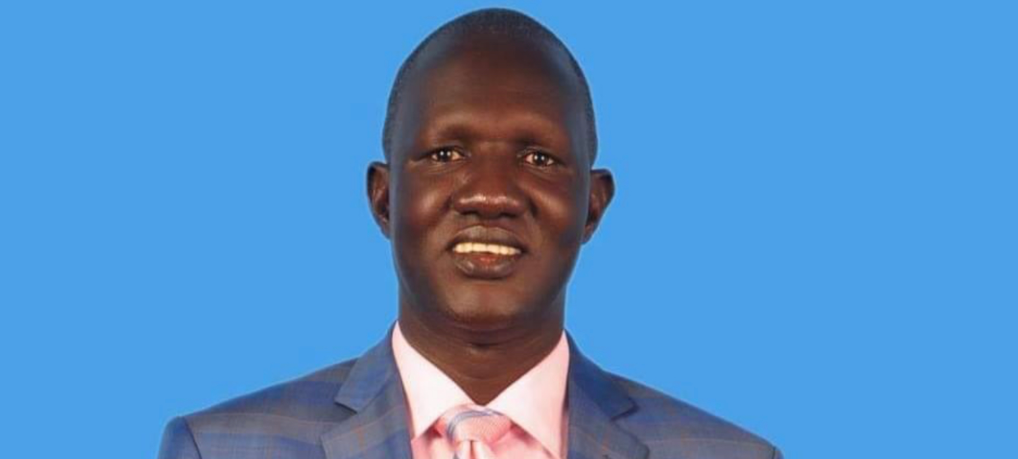
South Sudan's parliament recently enacted significant changes to the National Elections Act, which President Salva Kiir swiftly signed into law on Monday. These **South Sudan election law power-sharing changes** have been met with strong criticism, with political analyst Abraham Awolich labeling them a "parliamentary coup" and a step towards "one-man rule." The amendments grant the incumbent president the authority to remain in office with full constitutional powers throughout the election period.
Furthermore, the revised legislation empowers the president to dismiss the first vice president and other vice presidents, and to dissolve the transitional government three months before the December 22 election. This move effectively alters the executive structure during a critical electoral phase, concentrating significant authority in the hands of the sitting president.
Undermining the 2018 Peace Accord
These legislative actions are seen as a direct challenge to the foundational principles of the 2018 Revitalized Agreement on the Resolution of the Conflict in South Sudan. That accord established a power-sharing transitional government, aiming for elections as a step towards a permanent constitutional order. Awolich, a former managing director of the Sudd Institute and co-founder of the People’s Coalition for Civil Action (PCCA), argues that the **National Elections Act amendment South Sudan** effectively dismantles the power-sharing structure envisioned by the peace deal.
He described the move as inaugurating a new government structure led solely by the president, without the collegial presidency, parliament, or cabinet that the peace agreement conceived. The amended law also severs the previous connections between elections, the permanent constitution-making process, and a national census—processes Awolich believes were crucial for a broad political and institutional foundation. He views this as a "slow-motion process of abrogation of the revitalized agreement," highlighting that important preparatory steps have been bypassed.
Constitutional Questions and Future Risks
The implications of these **South Sudan election law power-sharing changes** extend to fundamental constitutional questions and potential instability. Awolich, a PhD student in Sustainable Development Policy at the University of Vermont, questioned the constitutional legitimacy of allowing the president to retain power while removing the vice presidents, arguing that the 2018 agreement defined the executive as a collective "presidency." He contended that if offices are to be dissolved, the entire presidency, including the president, should be dissolved, as retaining one necessitates retaining the whole.
He further suggested that altering the constitutional structure through an election law amendment constitutes an indirect constitutional amendment. Awolich expressed skepticism that the changes are genuinely aimed at holding general elections, instead suggesting they are designed to remove the power-sharing obligations imposed on **President Kiir election law powers** by the 2018 agreement. He warned that the dissolution of the **South Sudan transitional government** and the weakening of its arrangements could precipitate a **South Sudan constitutional crisis** and a security crisis.
Awolich also criticized the parliamentary process, alleging that lawmakers rushed the amendments without adequate debate and were offered incentives like vehicles or cash to support the bill. The role of transitional monitoring bodies, such as the Reconstituted Joint Monitoring and Evaluation Commission (RJMEC) and the Ceasefire and Transitional Security Arrangements Monitoring and Verification Mechanism (CTSAMVM), remains pertinent in this evolving political landscape.
Practical Implications
Lawyers and compliance officers with interests in South Sudan should assess the increased political and constitutional risk stemming from these election law changes. The dismantling of power-sharing arrangements could impact regulatory stability and operational continuity for clients.
Source
How does this affect you?
Get an AI analysis of this article grounded in your jurisdictions, practice areas, and any policy documents you've uploaded to Wansom.
Finish Reading the Full Story and the Expert Analysis.
Get the latest legal & regulatory intelligence in South Sudan
Wansom is AI and can make mistakes.