
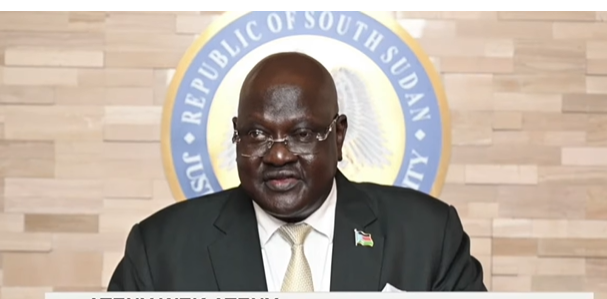
South Sudan Cabinet: Approves South Sudan National Elections Act 2012 Amendments
Summary
- South Sudan's Council of Ministers approved amendments to the National Elections Act, 2012, restoring 102 geographical constituencies and proposing a 332-member National Legislative Assembly.
- The amendments remove provisions linking elections to a population census and include representatives for political parties and affirmative-action categories.
- Changes to the Emoluments Act 2012 were also approved, stipulating that former constitutional office holders must vacate government residences within three months.
- The Cabinet adjusted the school calendar to complete exams by November, allowing schools to be used as polling centers for the December elections.
- The National Elections Commission established three-member High Elections Committees for Greater Pibor, Ruweng, and Abyei administrative areas on September 10.
Key Legislative Overhauls
The proposed South Sudan National Elections Act 2012 amendments, particularly the reintroduction of 102 geographical constituencies and the expansion to a 332-member National Legislative Assembly, will fundamentally alter how political parties and candidates strategize for representation.
The Council of Ministers in South Sudan has given its approval to further amendments to the National Elections Act, 2012, which was previously updated in 2023. This significant legislative step comes as the nation continues its preparations for general elections scheduled for December. Justice and Constitutional Affairs Minister Wek Mamer Kuol presented these proposed changes during a recent Cabinet meeting, presided over by President Salva Kiir. The amendments are now slated for review and endorsement by the Transitional National Legislative Assembly before being sent to the president for final assent.
These South Sudan National Elections Act 2012 amendments are designed to restore the 102 geographical constituencies that were in use during the 2010 elections. Furthermore, they outline a new structure for the National Legislative Assembly, proposing a body comprising 332 members. Information Minister Ateny Wek Ateny, who also serves as the government spokesperson, indicated that these updates to the South Sudan electoral law are crucial for modernizing the electoral framework and facilitating the upcoming December 2026 elections. The proposed parliamentary composition would include members elected from these geographical constituencies, alongside representatives for various political parties and specific affirmative-action groups, encompassing women, youth, minority communities, and individuals with disabilities. A notable change within these amendments is the removal of provisions that previously tied the conduct of elections to the completion of a national population census.
Broader Preparations and Ancillary Legal Adjustments
Beyond the core electoral reforms, the Cabinet also sanctioned modifications to the Emoluments Act 2012. These South Sudan Emoluments Act 2012 changes specifically address housing and other benefits for constitutional office holders. Under the newly approved provisions, former office holders will be granted a period of up to three months to vacate government-provided residences after their tenure concludes.
In a move aimed at streamlining logistical aspects for the upcoming polls, the Cabinet also endorsed alterations to the national school calendar. This adjustment will ensure that national primary and secondary examinations are completed by November, thereby freeing up school premises to serve as polling centers during the December elections. These comprehensive South Sudan 2026 election preparations underscore the government's intent to finalize the transitional period through the scheduled polls. Additionally, the Cabinet approved plans for the construction of a one-stop border post at Nimule, South Sudan's primary border crossing with Uganda, with the goal of reducing multiple checkpoints and associated paperwork affecting the movement of people and goods.
Electoral Commission's Operational Steps
Concurrently with these legislative developments, the National Elections Commission (NEC) has intensified its operational readiness for the December polls. As part of its mandate to establish electoral committees at the administrative-area level, the NEC has proceeded with the formation of High Elections Committees for the Greater Pibor, Ruweng, and Abyei administrative areas.
An order formalizing these appointments was signed by NEC Chairperson Abednego Akok Kacuol on September 10. Each of these newly established South Sudan NEC High Elections Committees comprises three members: a chairperson, a deputy chairperson, and a general member. These appointments signify a concrete step by the electoral body to put in place the necessary infrastructure for managing the forthcoming elections across key administrative regions.
Implications for the Electoral Landscape
The cumulative effect of these legislative and administrative actions is a significant reshaping of South Sudan's electoral landscape as the country approaches its December elections. The proposed South Sudan National Elections Act 2012 amendments, particularly the reintroduction of 102 geographical constituencies and the expansion to a 332-member National Legislative Assembly, will fundamentally alter how political parties and candidates strategize for representation. The inclusion of specific categories for women, youth, minorities, and people with disabilities within the South Sudan National Legislative Assembly composition highlights an effort to ensure broader representation.
Furthermore, the delinking of elections from census completion removes a potential procedural hurdle, signaling a clear intent to proceed with the December 2026 elections. The Emoluments Act changes provide clarity on post-service benefits for constitutional office holders, while the school calendar adjustments demonstrate practical planning for election logistics. These combined efforts by the Council of Ministers and the National Elections Commission are critical steps in preparing for polls that are expected to mark the conclusion of the transitional period, setting the stage for a new political chapter in South Sudan.
Practical Implications
Lawyers advising political parties, candidates, or election-related bodies in South Sudan must track the final legislative approval of these National Elections Act amendments, as they will significantly reshape the electoral framework, including constituency structures and parliamentary composition, directly impacting strategy for the 2026 elections. Additionally, changes to the Emoluments Act will affect advice given to constitutional office holders regarding post-service benefits and housing.
Source
How does this affect you?
Get an AI analysis of this article grounded in your jurisdictions, practice areas, and any policy documents you've uploaded to Wansom.
Finish Reading the Full Story and the Expert Analysis.
Get the latest legal & regulatory intelligence in South Sudan
Wansom is AI and can make mistakes.