
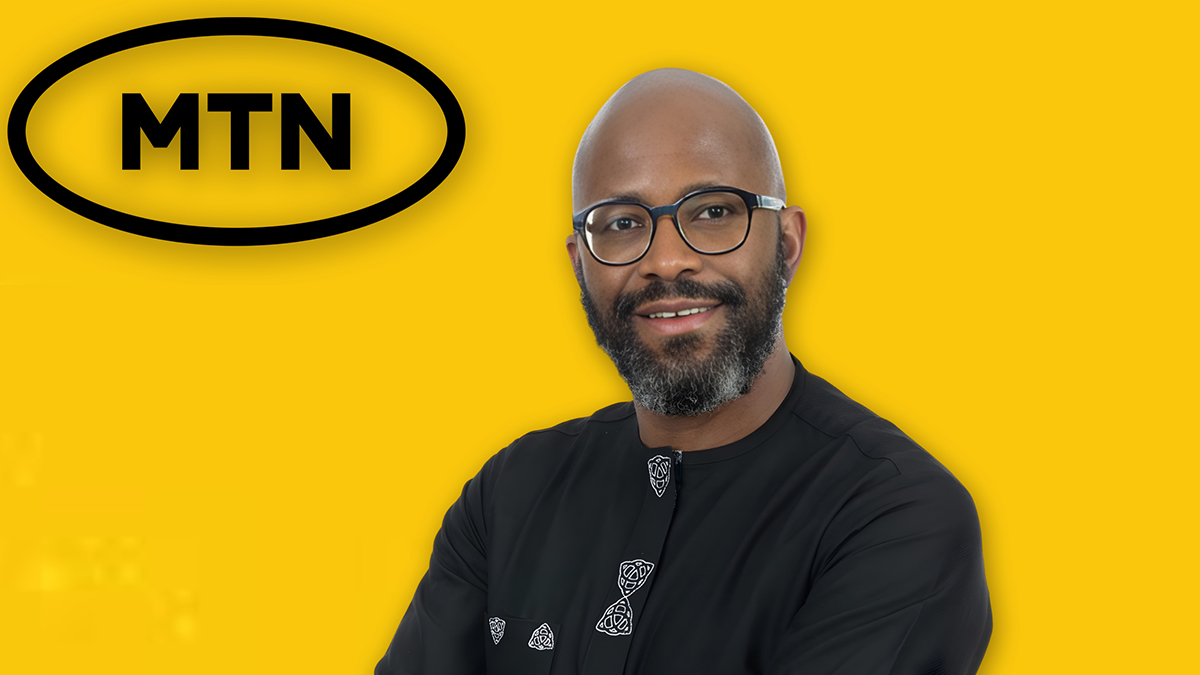
MTN IHS Towers Competition Tribunal ZA: Conditional Approval for Acquisition
Summary
- MTN is seeking approval from the Competition Tribunal in South Africa to acquire IHS Towers for R37.3 billion, reversing its 2012 asset-light strategy.
- The strategic shift is driven by changes in economic conditions, including inflation, currency fluctuations, and energy costs.
- The Competition Commission recommended conditional approval, citing concerns about competition and public interest.
- Conditions include protecting jobs, ensuring open access to infrastructure, and supporting historically disadvantaged persons and SMMEs.
- MTN has committed to fully implementing these conditions, which align with its Ambition 2030 strategy for digital infrastructure.
Strategic Shift and Proposed Acquisition
The stringent conditions imposed by the Competition Tribunal underscore the regulatory focus on maintaining a competitive landscape and promoting public interest within South Africa's evolving telecommunications sector.
MTN Group, a major telecommunications provider, is pursuing a significant strategic reversal, moving away from the asset-light model it adopted in 2012. This shift involves a proposed R37.3 billion acquisition of IHS Towers, a deal that has been conditionally approved by the Competition Tribunal in South Africa, with the transaction deadline recently extended to December 17, 2026, to satisfy outstanding conditions. Group CEO and President Ralph Mupita explained that evolving economic factors, including inflation, currency fluctuations, and energy costs, have altered the financial landscape that initially underpinned the decision to divest infrastructure.
The original asset-light strategy saw MTN selling its passive infrastructure, such as towers, to specialist tower companies and subsequently leasing it back. Key transactions under this model included the sale of 9,151 Nigerian towers in 2014, followed by an additional 4,696 Nigerian towers in 2015, alongside tower portfolios in Rwanda and Zambia. In 2022, MTN completed this process in South Africa by selling approximately 5,700 towers to IHS for around R6.4 billion, retaining a 24.7% stake in IHS Towers, which operates nearly 29,000 towers across Africa and serves mobile network operators in five of MTN's primary markets.
Mupita indicated that a strategic review conducted roughly two years ago highlighted the changed economic environment. This re-evaluation led the group to conclude that opportunities to reacquire tower assets across its various operational markets should be actively pursued. The proposed acquisition of IHS Towers, valued at $2.2 billion (or R37.3 billion at a recent exchange rate of approximately R17 to the dollar), is integral to MTN's broader Ambition 2030 strategy, which is structured around three core pillars: connectivity, fintech, and digital infrastructure.
Regulatory Scrutiny and Conditions
The Competition Commission, South Africa's antitrust body, recommended conditional approval for the MTN IHS Towers acquisition early last month, acknowledging that the proposed transaction raises both competition and public interest concerns. To mitigate these issues, the Commission proposed a comprehensive set of conditions designed to safeguard various stakeholders and market dynamics. These conditions aim to protect existing jobs and ensure the preservation of ownership by historically disadvantaged persons (HDPs).
Furthermore, the regulatory stipulations seek to maintain existing customer rights and mandate fair negotiation processes for all lease agreement renewals, ensuring that no customer is placed at a disadvantage relative to MTN South Africa. A critical aspect of the conditions is the requirement for fair, equitable, and non-discriminatory access to infrastructure for all mobile network operators (MNOs) and non-MNO customers of IHS. This is intended to prevent any preferential treatment of MTN South Africa following the acquisition.
The conditions also include provisions to protect competitively sensitive customer information, foster participation of small, medium, and micro enterprises (SMMEs) and HDPs in the development of new tower sites, and ensure that IHS remains an operationally independent entity. Ralph Mupita affirmed MTN's full support for the transaction's approval under these specified conditions, committing to their complete and good-faith implementation. This includes a pledge to retain existing black economic empowerment ownership within IHS South Africa and to allocate at least 40% of MTN South Africa’s new build-to-suit requirements to qualifying SMMEs and HDPs.
Implications for Digital Infrastructure
MTN views digital infrastructure, encompassing fibre, data centers, and towers, as a strategically vital component of its future operations. Ralph Mupita emphasized that all these digital infrastructure businesses are intended to operate on an open-access basis. This commitment reflects MTN's recognition that ownership of critical infrastructure carries responsibilities extending beyond mere shareholder interests.
The company is dedicated to ensuring that IHS continues to function as an open-access infrastructure provider, a stance supported by the principle that a tower's productivity is enhanced when it serves multiple tenants. This acquisition will establish a vertical relationship, with MTN becoming the owner of IHS while MTN South Africa remains a customer. The stringent conditions imposed by the Competition Tribunal underscore the regulatory focus on maintaining a competitive landscape and promoting public interest within South Africa's evolving telecommunications sector.
Practical Implications
Lawyers advising on M&A in South Africa's digital infrastructure sector should note the Competition Tribunal's stringent conditions for the MTN-IHS deal, particularly those related to open access, protection of historically disadvantaged persons (HDPs), and support for SMMEs. These conditions establish a precedent for future vertical integration transactions, requiring careful consideration of competition and public interest concerns during deal structuring and regulatory engagement.
Source
How does this affect you?
Get an AI analysis of this article grounded in your jurisdictions, practice areas, and any policy documents you've uploaded to Wansom.
Finish Reading the Full Story and the Expert Analysis.
Get the latest legal & regulatory intelligence in South Africa
Wansom is AI and can make mistakes.