
US: South Africa, Rwanda AGOA Suspension Effective 2027
Summary
- South Africa and Rwanda will lose their eligibility for the African Growth and Opportunity Act (AGOA) effective January 1, 2027.
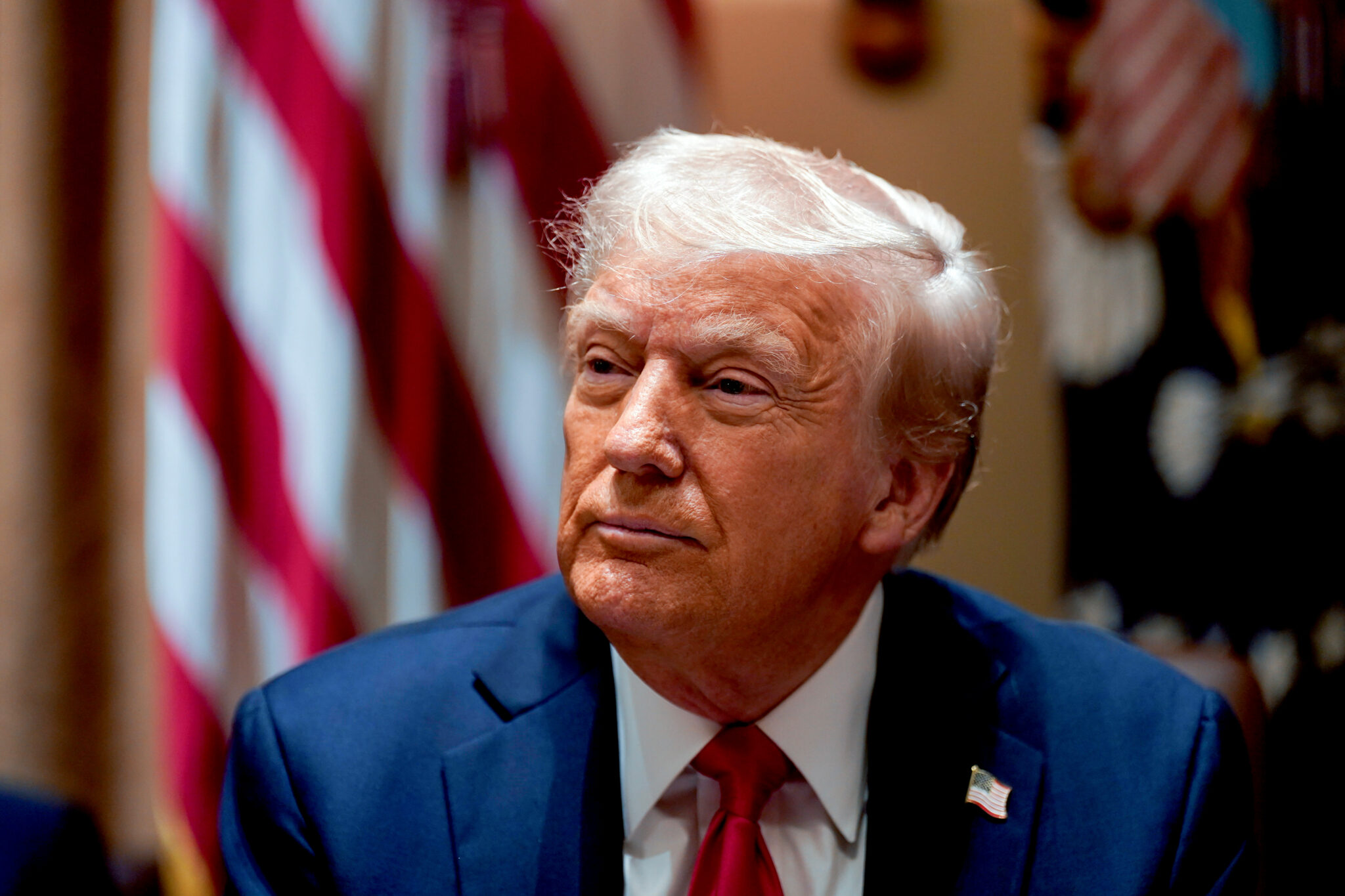
- President Trump determined that their governments engaged in practices inconsistent with AGOA eligibility criteria.
- This decision will remove their preferential, duty-free access to the U.S. market under the program effective January 1, 2027.
- Businesses involved in trade with these nations must now prepare for increased tariffs and adjust supply chain strategies.
- The change impacts South Africa trade benefits and Rwanda trade relations with the United States.
Revocation of Trade Privileges
This development necessitates a review of existing trade agreements and potential restructuring of business operations to mitigate increased costs or compliance risks.
South Africa and Rwanda will officially lose their eligibility for the African Growth and Opportunity Act (AGOA) effective January 1, 2027, marking a significant shift in their trade relationship with the United States. This decisive action stems from a formal determination made by President Trump, who concluded that the governments of both nations were engaged in practices deemed "inconsistent" with the established criteria for AGOA eligibility. This finding by the US President directly precipitates the cessation of their preferential trade status under the program, effective January 1, 2027. The consequence is that these two African nations will no longer benefit from the special trade advantages previously afforded to them, impacting a wide array of goods and industries that relied on duty-free access to the American market.
Understanding AGOA Eligibility
The African Growth and Opportunity Act (AGOA) serves as a cornerstone of trade policy between the United States and eligible sub-Saharan African countries. Enacted to foster economic development and integration, AGOA grants qualifying nations duty-free access to the U.S. market for thousands of products, thereby stimulating exports and investment.
However, participation in AGOA is not an automatic entitlement; it is contingent upon adherence to a specific set of "AGOA eligibility criteria." These criteria encompass various benchmarks related to governance, human rights, and economic policies. President Trump's assessment indicated that both South Africa and Rwanda failed to meet these ongoing requirements, leading to the announced termination of their access to the program's benefits effective January 1, 2027.
Navigating New Trade Realities
The immediate and profound consequence of this announced termination is that, effective January 1, 2027, goods originating from South Africa and Rwanda will no longer enjoy the preferential tariff treatment previously available under AGOA. This change means that importers and exporters involved in "South Africa trade benefits" and "Rwanda trade relations US" will now face standard tariff rates, which are likely to increase costs and potentially diminish the competitiveness of their products in the American market.
For lawyers and compliance officers, this development necessitates a review of existing trade agreements and potential restructuring of business operations to mitigate increased costs or compliance risks. Businesses engaged in import/export operations with these countries must immediately assess the impact on their supply chain strategies and tariff exposures, as the fundamental landscape for trade has been significantly altered by this decision.
Practical Implications
Lawyers and compliance officers should immediately assess the impact of South Africa and Rwanda's loss of AGOA access on clients' import/export operations, supply chain strategies, and tariff exposures for goods traded with the United States. This development necessitates a review of existing trade agreements and potential restructuring of business operations to mitigate increased costs or compliance risks.
Source
Source: Original reporting via {source}
How does this affect you?
Get an AI analysis of this article grounded in your jurisdictions, practice areas, and any policy documents you've uploaded to Wansom.
Wansom is AI and can make mistakes.