
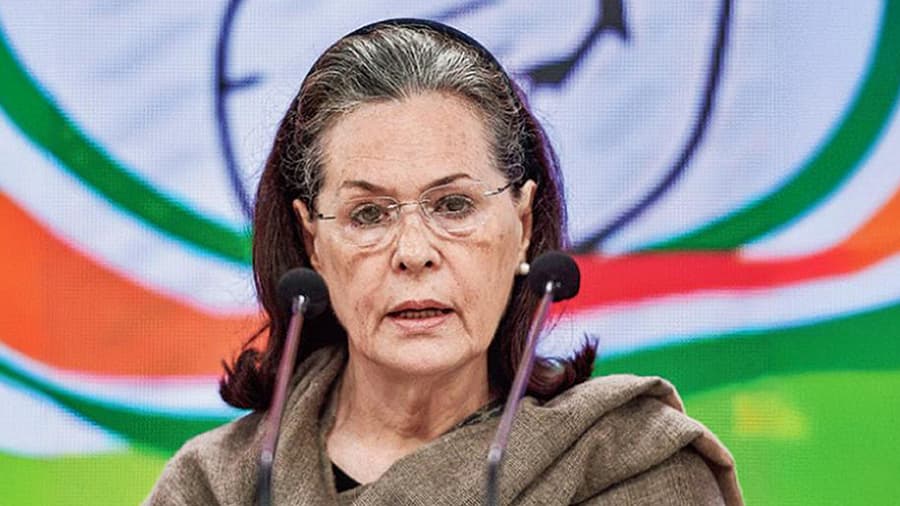
Delhi Police: Sonia Gandhi Voters List Predates Citizenship
Summary
- Delhi Police informed a court that Sonia Gandhi's name appeared on 1980 electoral rolls, three years before she became an Indian citizen.
- Her Indian citizenship was officially granted on April 30, 1983, as confirmed by her citizenship certificate.
- An inquiry by PS Tughlaq Road confirmed her presence in the 1980 and 1983 electoral rolls through records from the DM, New Delhi office.
- Additional Chief Judicial Magistrate Vinod Joshi of the Rouse Avenue Courts recorded these submissions.
- The court granted Delhi Police until December 14 to submit a comprehensive report on whether any cognisable offense was committed and the status of any FIR.
Court Hears Allegations of Pre-Citizenship Voter Registration
This development underscores the ongoing legal scrutiny of electoral registration processes and citizenship documentation in India, particularly for public figures.
The Delhi Police recently informed a Delhi court that Congress leader Sonia Gandhi's name appeared on electoral rolls several years before she officially acquired Indian citizenship. This submission was made to Additional Chief Judicial Magistrate (ACJM) Vinod Joshi at the Rouse Avenue Courts, highlighting a significant discrepancy in her historical voter registration. The police specifically noted that Ms. Gandhi's name was present in the 1980 electoral roll, despite her Indian citizenship being granted in April 1983.
These details were formally recorded in an order issued by the court. The police's statement indicates that an inquiry was initiated to investigate the circumstances surrounding her voter registration. This inquiry sought to clarify the timeline of her citizenship acquisition versus her inclusion in the electoral process, drawing attention to the stringent requirements for voter eligibility in India.
Inquiry Details and Documentary Evidence
The investigation, conducted by PS Tughlaq Road, involved a thorough review of relevant records. Electoral roll documents pertaining to Ms. Gandhi for the years 1980 and 1983 were requested from the office of the District Magistrate, New Delhi. In response, the Electoral Registration Officer (ERO) for AC-40 confirmed, via a letter dated November 25, 2026, that Ms. Gandhi's name was indeed present in both the 1980 and 1983 electoral rolls.
Further corroborating the timeline, the inquiry also obtained documents related to her citizenship, including her official citizenship certificate. These records unequivocally establish that Sonia Gandhi was granted Indian citizenship on April 30, 1983. The police's findings thus present a clear timeline where her voter registration predates her formal citizenship by approximately three years.
Judicial Directives and Ongoing Investigation
Following the police's submissions, the court granted an extension for the inquiry, allowing the Delhi Police additional time to finalize their investigation. The police had requested more time to ascertain whether any cognisable offense had been committed by Ms. Gandhi in relation to these findings. The court accepted this request, setting a deadline of December 14 for the submission of a comprehensive report.
This forthcoming report is mandated to explicitly state whether any cognisable offense has been identified against the accused individuals and what, if any, actions have been taken by the police. Furthermore, the court has directed the police to provide information regarding the registration of any First Information Report (FIR) in connection with the matter, along with an update on the status of any ongoing probe related to such an FIR. This indicates a continued and detailed scrutiny of the matter by the judicial system.
Broader Implications for Electoral Integrity and Citizenship Law
This development underscores the ongoing legal scrutiny of electoral registration processes and citizenship documentation in India, particularly for public figures. The case highlights the potential for historical records to be challenged and investigated, even decades after the fact, emphasizing the critical importance of meticulous record-keeping and strict compliance with legal frameworks governing voter eligibility and citizenship.
For legal professionals advising on electoral law or citizenship matters, this situation serves as a pertinent reminder of the complexities involved. It reinforces the necessity for individuals, especially those in public life, to ensure their documentation and registration processes align perfectly with the legal requirements at all times. The outcome of the Delhi Police's comprehensive report will likely have significant implications for how such historical discrepancies are addressed in the future.
Practical Implications
This development underscores the ongoing legal scrutiny of electoral registration processes and citizenship documentation in India, particularly for public figures. Lawyers advising on electoral law or citizenship matters should note the potential for historical records to be challenged and investigated, even decades later, highlighting the importance of meticulous record-keeping and compliance.
Source
How does this affect you?
Get an AI analysis of this article grounded in your jurisdictions, practice areas, and any policy documents you've uploaded to Wansom.
Finish Reading the Full Story and the Expert Analysis.
Get the latest legal & regulatory intelligence in India
Wansom is AI and can make mistakes.