
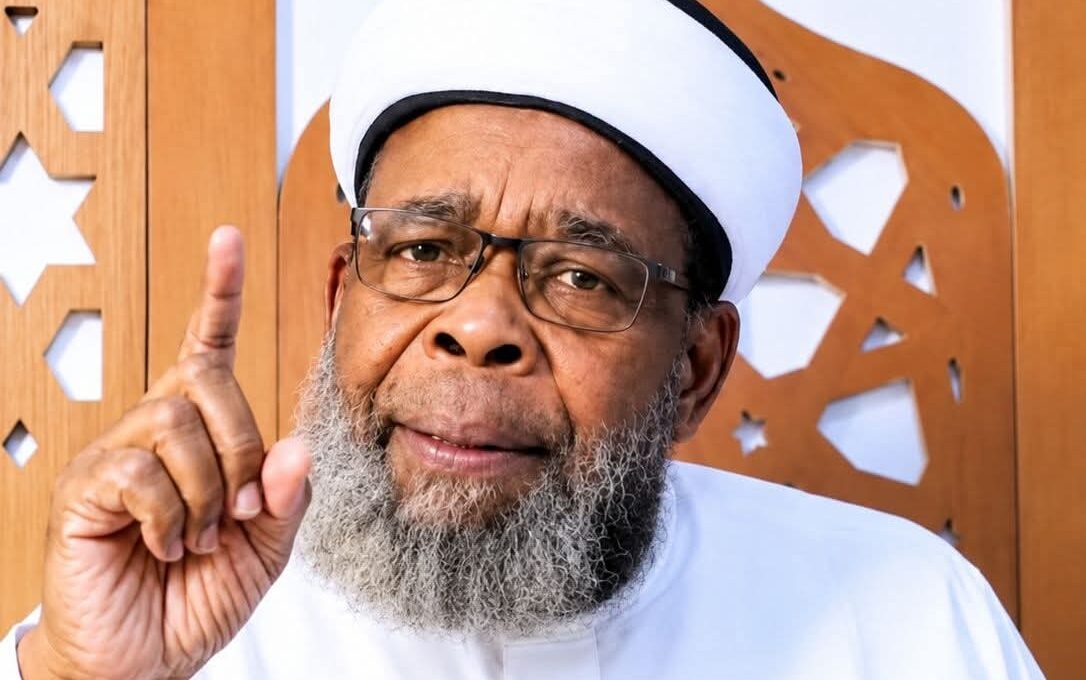
Sokoto: Investigates Musa Lukuwa Remarks, Forms Inquiry Committee
Summary
- Sokoto authorities have established a committee to investigate remarks made by cleric Musa Lukuwa.
- The remarks are alleged to be disrespectful to a religious creed.
- Chaired by Yahaya Boyi, the panel will examine both the legal and religious implications of the statements.
- The inquiry highlights the serious legal and social ramifications of religious defamation in the region.
Sokoto Launches Inquiry into Cleric's Remarks
The outcome of this Musa Lukuwa blasphemy probe in Sokoto could influence how future allegations of religious disrespect are handled, impacting the boundaries of acceptable public commentary on religious matters.
Sokoto State has initiated a formal inquiry into controversial statements attributed to cleric Musa Lukuwa, establishing a dedicated committee to delve into the matter. This development signals that Sokoto investigates Musa Lukuwa remarks with serious intent. The newly formed panel has been specifically tasked with a comprehensive examination of the issues raised by Musa Lukuwa, which have been widely characterized as disrespectful towards a religious creed. The mandate of this committee extends to scrutinizing both the legal and religious ramifications stemming from these alleged remarks.
The committee, which will conduct the Musa Lukuwa blasphemy probe in Sokoto, is under the leadership of Yahaya Boyi. As chairman, Boyi will oversee the panel's efforts to thoroughly investigate the allegations and their potential impact within the community and under existing legal frameworks. The establishment of this body underscores the gravity with which authorities in Sokoto are approaching the accusations, setting the stage for a detailed review of the cleric's controversial pronouncements. The Sokoto religious remarks investigation is expected to provide clarity on the nature of the statements and their implications.
Legal and Regulatory Context
The establishment of a committee to investigate remarks deemed disrespectful to a religious creed highlights the complex legal and social landscape in states like Sokoto, where religious sensitivities often intersect with legal statutes. Nigeria's legal system, particularly in its northern states, incorporates elements of Sharia law, which can carry severe penalties for offenses such as blasphemy. This context is crucial for understanding the Nigeria blasphemy law implications surrounding the Musa Lukuwa probe. Allegations of disrespect towards religious figures or tenets are not taken lightly and can trigger significant public and legal responses.
The committee's charge to examine both the legal and religious implications suggests a multi-faceted approach to the inquiry. Legally, the panel will likely consider whether Musa Lukuwa's statements violate any existing laws, including those pertaining to religious defamation or incitement. Religiously, the committee will assess the statements against established doctrines and interpretations within the relevant faith. This dual focus underscores the seriousness of the Sokoto State government inquiry and its potential to set precedents for how similar cases are handled in the future. The outcome could have far-reaching consequences for freedom of expression within the state's religious communities.
Why This Investigation Matters
The ongoing Sokoto religious remarks investigation carries significant weight, not only for Musa Lukuwa himself but also for the broader discourse on religious freedom and expression within Nigeria. The decision to launch a formal inquiry, led by Yahaya Boyi, into remarks allegedly disrespectful to a religious creed, signals a period of heightened scrutiny over religious remarks in Sokoto. This development necessitates that legal professionals operating within the region advise clients on potential legal exposures related to blasphemy or religious defamation, emphasizing the need for caution in public discourse.
Furthermore, the findings and recommendations of the committee will be closely watched for their potential to establish precedents regarding the limitations of free speech in religiously sensitive contexts. The outcome of this Musa Lukuwa blasphemy probe in Sokoto could influence how future allegations of religious disrespect are handled, impacting the boundaries of acceptable public commentary on religious matters. It is imperative for stakeholders to monitor the committee's findings for precedents on free speech limitations, as they will undoubtedly shape the legal and social environment for religious expression in Sokoto and potentially beyond. The Sokoto State government inquiry thus represents a critical juncture for navigating the delicate balance between religious reverence and individual expression.
Practical Implications
This development signals heightened scrutiny over religious remarks in Sokoto, requiring lawyers to advise clients on potential legal exposures related to blasphemy or religious defamation, and to monitor the committee's findings for precedents on free speech limitations.
Source
How does this affect you?
Get an AI analysis of this article grounded in your jurisdictions, practice areas, and any policy documents you've uploaded to Wansom.
Finish Reading the Full Story and the Expert Analysis.
Get the latest legal & regulatory intelligence in Nigeria
Wansom is AI and can make mistakes.