
Six Flags: X2 Brain Injury Lawsuits Filed After Ride Closure
Summary
- The X2 roller coaster at Six Flags Magic Mountain has been permanently closed following multiple lawsuits alleging serious brain injuries.
- The closure occurred after two women were hospitalized on July 12, with the permanent decision announced on a subsequent Tuesday.
- Legal actions include a recent wrongful death settlement and three new lawsuits filed on September 21 by Dordick Law Corporation.
- Complaints allege the ride's features, such as independent seat rotation and high speeds, can cause massive intracranial hemorrhages.
- Six Flags Magic Mountain's president stated the ride consistently passed safety tests but was closed because it was deemed "the right thing to do."
What Happened
The retirement of the X2 roller coaster and the ongoing roller coaster brain injury litigation highlight a critical juncture for the amusement park industry, signaling heightened scrutiny on safety protocols and potential liability.
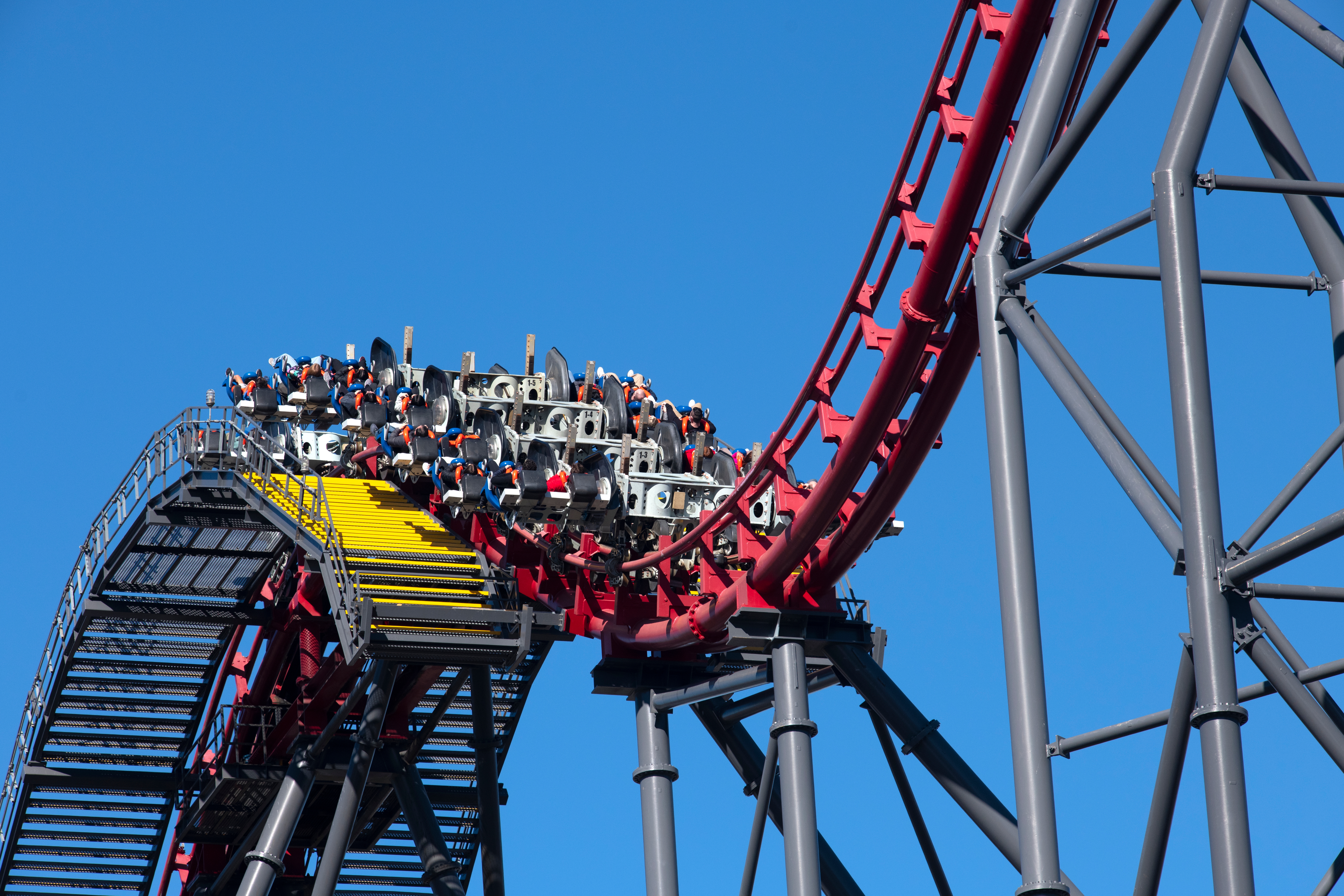
The X2 roller coaster at Six Flags Magic Mountain, an attraction once promoted on the park's own website as a definitive challenge for thrill-seekers, has been permanently retired. Situated in Valencia, California, the ride ceased operations on the evening of July 12 following an incident where two female patrons required hospitalization after experiencing the attraction. The decision for its permanent closure was publicly announced on a subsequent Tuesday.
Brian Oerding, the president of Six Flags Magic Mountain, addressed the situation on the company's website, asserting the park's commitment to ride safety. He noted that despite the X2 consistently passing numerous safety evaluations, the park opted to close the ride, stating it was "the right thing to do." This move comes amidst increasing scrutiny and legal challenges concerning the ride's safety record.
Legal Context
The permanent closure of the X2 ride follows a series of significant legal actions, including a recent settlement in a wrongful death lawsuit. Further intensifying the legal pressure, the Dordick Law Corporation filed three additional lawsuits on September 21 in the Los Angeles County Superior Court. These complaints, which detail serious allegations against the amusement park, are accessible for public review on the law firm's official website.
The lawsuits specifically contend that the X2's unique operational characteristics—including its independent seat rotation, high-speed movements, rapid directional shifts, and inversion elements—are inherently dangerous. According to the legal filings, these design features are alleged to be capable of inducing massive intracranial hemorrhages, which can lead to severe and lasting consequences such as permanent brain damage, comatose states, or even death. These Six Flags X2 brain injury lawsuits underscore significant concerns regarding the ride's impact on passenger health.
Why It Matters
The retirement of the X2 roller coaster and the ongoing roller coaster brain injury litigation highlight a critical juncture for the amusement park industry, signaling heightened scrutiny on safety protocols and potential liability. This case, involving allegations of severe brain injuries and a wrongful death settlement, underscores the substantial legal and reputational risks faced by operators of high-thrill attractions. The specific claims of intracranial hemorrhage roller coaster incidents bring into sharp focus the potential for catastrophic outcomes from ride design and operation.
This situation serves as a stark reminder for amusement parks and their legal advisors to rigorously review their safety assessments, emergency response plans, and overall risk management strategies. The decision by Six Flags to close the X2, even while asserting its consistent passage of safety tests, suggests that public perception, ongoing litigation, and the potential for severe liability claims can ultimately compel the retirement of even popular attractions. The legal landscape is increasingly demanding that parks not only meet minimum safety standards but also proactively address any perceived risks that could lead to severe injury or wrongful death claims, thereby mitigating future litigation.
Practical Implications
This case highlights the increasing scrutiny on amusement park safety and the potential for severe liability claims (e.g., brain injuries, wrongful death). Lawyers advising amusement parks or product manufacturers should review their clients' safety protocols, risk assessments, and incident response plans to mitigate similar litigation risks and understand the potential for ride retirement as a risk management strategy.
Source
How does this affect you?
Get an AI analysis of this article grounded in your jurisdictions, practice areas, and any policy documents you've uploaded to Wansom.
Finish Reading the Full Story and the Expert Analysis.
Get the latest legal & regulatory intelligence in United States
Wansom is AI and can make mistakes.