
Paris Court: English Channel Migrant Convictions for 13 in Deadly Crossing
Summary
- The Paris Criminal Court found 13 men guilty in connection with the 2021 English Channel migrant crossing that resulted in 31 deaths.
- Six defendants were convicted of involuntary homicide, with sentences ranging from six months to ten years.
- The tragic incident involved an overloaded inflatable dinghy with a faulty motor and inadequate life jackets, which sank after distress calls went unanswered.
- One man, identified as a network leader's 'right-hand man,' received an eight-year prison sentence and had his request for lawyer fee reimbursement denied after threatening five lawyers.
- Victims' family members, totaling 113 plaintiffs, testified about their profound loss, with some traveling from Iraqi Kurdistan for the trial.
Landmark Convictions in Paris
This landmark ruling from the Paris Criminal Court underscores the severe legal repercussions, including involuntary homicide charges, now facing individuals who facilitate irregular migration with fatal outcomes.
The Paris Criminal Court has delivered a significant verdict, finding thirteen men guilty in connection with the deadliest English Channel migrant crossing ever recorded. The judgment, handed down on Wednesday, concludes a trial that began in early September, focusing on the roles of fourteen individuals in the tragic 2021 Calais boat sinking that claimed 31 lives. The defendants faced a range of serious charges, including involuntary homicide, involuntary injury, endangering others, and assisting the irregular entry, movement, or stay of a foreign national in France as part of an organized group.
Of the fourteen men initially charged, thirteen received convictions, while one was acquitted due to insufficient evidence. Six of the defendants were specifically found guilty of involuntary homicide, a charge that highlights the severe consequences for those involved in facilitating perilous crossings. The presiding judge, whose name was withheld from publication, emphasized that investigations and court debates illuminated a situation marked by "tragic consequences" and the exploitation of migrants' extreme vulnerability by those seeking profit.
The Tragic 2021 Channel Crossing
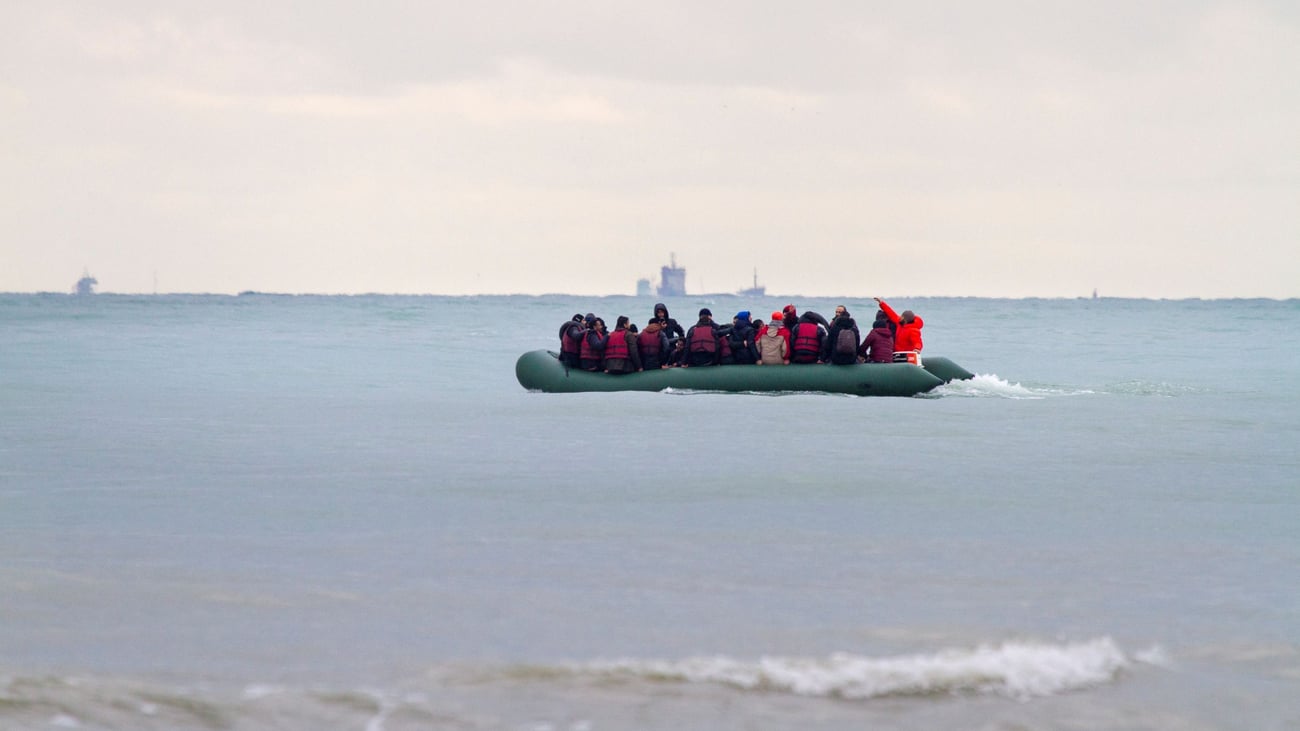
The convictions stem from a harrowing incident on the night of November 23, 2021, when 33 migrants embarked from the shores of Calais, northern France, attempting to reach the United Kingdom. Each migrant had paid thousands of U.S. dollars to smugglers for a place on a roughly 20-by-7-foot inflatable dinghy. The court heard that the vessel was dangerously overloaded, equipped with a faulty motor, and that the provided life jackets failed to meet buoyancy standards for rough sea conditions.
Hours into the treacherous journey, the boat began to take on water. Multiple distress calls were made to both French and U.K. emergency services, but these calls went unanswered. This failure to respond has prompted a separate investigation in which French military personnel have been charged with failing to assist individuals in danger. The two survivors of the disaster testified to the court about the freezing water, strong currents, and the fact that most aboard could not swim. One survivor, Mohammad I., recounted clinging to debris and needing to constantly move to prevent the cold from stopping his heart, noting, "We couldn’t save those drowning next to us, otherwise we’d drown with them." Approximately twelve hours after the initial distress calls, a fishing vessel eventually spotted the bright orange life jackets, revealing the extent of the tragedy.
Judicial Scrutiny and Sentences
The sentences handed down by the Paris Criminal Court ranged from six months to a maximum of ten years in prison. Many of these sentences were either suspended or stipulated that they be served with an electronic monitoring bracelet. A particularly notable case involved one man, identified by victims' family members as the "right-hand man" of the network's leader, who was sentenced to eight years behind bars. He was the only defendant to be handcuffed and escorted from the courtroom by police officers.
The presiding judge expressed conviction in the evidence against this individual, corroborated by phone records, and condemned his attempt to portray himself as a "simple migrant" during the trial, stating it was "very far from the actual reality." The court also rejected his request for reimbursement of approximately $1,700 in lawyer fees, after learning during his September 11 testimony that he had threatened five lawyers, leading to his lack of legal representation. The proceedings saw 113 plaintiffs, predominantly family members of the victims, with nine traveling from Erbil in Iraqi Kurdistan to provide testimony on September 8 and 9. One father emotionally pleaded with the court to help locate his son's body, expressing a desperate hope to find "even if there’s only a finger left."
Broader Implications of the Ruling
This landmark ruling from the Paris Criminal Court underscores the severe legal repercussions, including involuntary homicide charges, now facing individuals who facilitate irregular migration with fatal outcomes. The verdict, encompassing charges like French migrant smuggling involuntary homicide and assisting irregular entry France charges, sets a significant precedent for how such cases will be prosecuted in the future. It sends a clear message regarding the accountability of those who profit from the perilous journeys undertaken by vulnerable migrants.
The judge's comments about individuals exploiting the "serious vulnerability" of migrants highlight the moral and legal condemnation of such activities. Beyond the immediate convictions, the separate investigation in which French military personnel have been charged for their alleged failure to respond to distress calls adds another layer of scrutiny to the broader context of English Channel migrant deaths. This comprehensive judicial response, from the 2021 Calais boat sinking judgment to the current Paris court English Channel migrant convictions, reflects a determined effort to address both the facilitators of irregular migration and the systemic failures that contribute to such tragedies.
Practical Implications
This ruling establishes a significant precedent for severe judicial consequences, including involuntary homicide charges, for individuals involved in facilitating irregular migration that results in fatalities. Lawyers advising clients on cross-border activities or human rights law should note the heightened legal risks and potential for substantial prison sentences for migrant smuggling operations.
Source
How does this affect you?
Get an AI analysis of this article grounded in your jurisdictions, practice areas, and any policy documents you've uploaded to Wansom.
Finish Reading the Full Story and the Expert Analysis.
Get the latest legal & regulatory intelligence in United States
Wansom is AI and can make mistakes.