
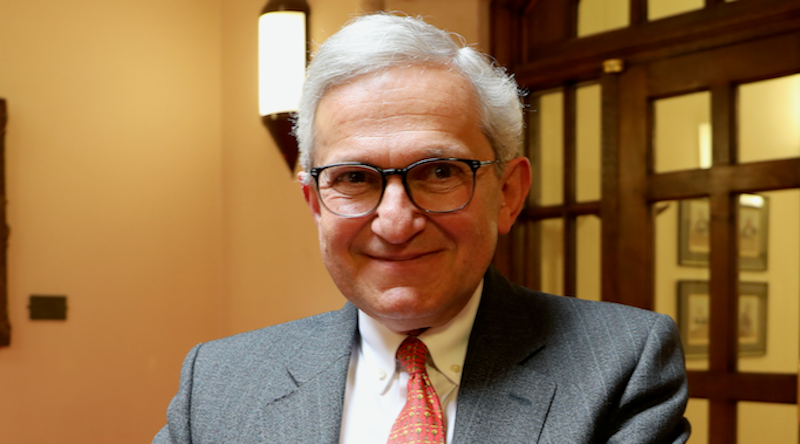
Sir Geoffrey Vos: Predicts Public Acceptance of AI Legal Decisions
Summary
- Sir Geoffrey Vos predicts public acceptance of AI-made legal decisions will grow as technology becomes more reliable.
- Litigants may choose AI for speed and cost benefits, especially in areas like personal injury damages assessment.
- A critical distinction exists between consensual AI decisions and courts imposing them, due to the deeply entrenched right to a human judge.
- Vos warned that economic and time pressures might lead judges to approve AI recommendations, blurring the line between assistance and decision.
- Acceptance of automated justice is expected to increase, particularly for lower-value disputes, driven by economic factors.
The Shifting Landscape of Justice
He emphasized that 'consensual machine-made decisions are one thing, and non-consensual ones are quite another,' asserting that significant legal principles exist which may prevent courts from compelling unwilling parties to accept machine-generated judgments.
Sir Geoffrey Vos, the Master of the Rolls, recently articulated a vision for the future of dispute resolution, predicting that the public will increasingly embrace machine-made legal decisions. Speaking at the John Lehane Memorial Lecture at the Supreme Court of New South Wales on August 24, 2026, Vos suggested that as artificial intelligence technology matures and demonstrates greater reliability, litigants will likely develop confidence in its judgments. This shift is anticipated to be driven by practical advantages, primarily the potential for cases to be resolved in mere minutes at minimal or no cost, a stark contrast to the months or even years often required for human judges to deliver rulings.
Vos highlighted that the initial adoption of AI in legal processes could begin in areas where outcomes are largely determined by algorithms. He specifically pointed to the assessment of damages in personal injury and medical negligence claims, as well as share valuations in disputes involving minority shareholders. The top judge underscored that machine-made decisions inherently offer greater speed and cost-efficiency. He also noted that automated dispute resolution is not entirely novel, citing eBay's platform, which reportedly handles 60 million disputes annually, with 90% of these resolved without any human intervention.
Navigating the Legal and Ethical Boundaries
Despite the potential benefits, Sir Geoffrey Vos drew a critical distinction between parties voluntarily choosing an AI decision-maker and courts imposing one. He emphasized that 'consensual machine-made decisions are one thing, and non-consensual ones are quite another,' asserting that significant legal principles exist which may prevent courts from compelling unwilling parties to accept machine-generated judgments. The right to a human judicial decision, he stressed, is deeply embedded within the legal system, and any move to replace judges would necessitate legislative reform.
Vos also cautioned about the evolving challenge of differentiating between AI making a decision and merely assisting a human judge as the technology advances. He warned that if judges are presented with a high volume of cases, such as 1,000 decisions, the economic and time pressures could inevitably lead to the approval of machine-generated recommendations, blurring the lines of judicial autonomy. He urged legal professionals to embrace AI's capabilities while maintaining a clear 'red line' against fully autonomous judicial decision-making unless all parties provide their freely and fully informed consent.
The Future of Automated Justice
Looking ahead, the Master of the Rolls predicted that the acceptance of automated justice is poised to expand, particularly within the lower-value segments of the court system. He suggested that humans are quite likely to accept machine-enabled resolution for smaller disputes at the first instance, primarily driven by economic considerations. This pragmatic approach, he believes, will pave the way for broader integration of AI into legal processes.
Vos's remarks serve as a call to action for lawyers and judges to actively engage with artificial intelligence. While advocating for its adoption, he consistently underscored the importance of safeguarding fundamental legal rights and principles, ensuring that technological advancement in the justice system proceeds with careful consideration for human oversight and consent.
Practical Implications
Lawyers should track the evolving legal and public acceptance of AI-made decisions in dispute resolution, particularly the distinction between consensual and imposed judgments, to anticipate future court process changes and advise clients on potential AI-driven outcomes.
Source
How does this affect you?
Get an AI analysis of this article grounded in your jurisdictions, practice areas, and any policy documents you've uploaded to Wansom.
Wansom is AI and can make mistakes.