
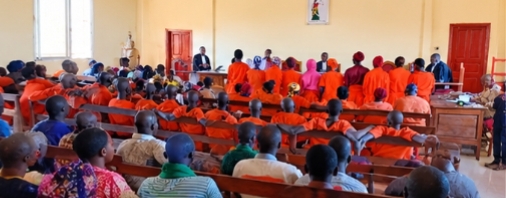
TPI Siguiri: 46 Illegal Gold Miners Get Suspended 1-Year Sentences
Summary
- The TPI Siguiri delivered a verdict on November 23, 2026, in a case involving illegal gold exploitation and environmental degradation.
- A total of 46 individuals, including 12 men, were found guilty of the charges brought against them.
- Each convicted person received a one-year suspended prison sentence.
- This ruling underscores Guinea's judicial system's commitment to combating unauthorized mining activities and protecting the environment.
Judicial Action in Siguiri
For legal professionals advising clients involved in Guinea's resource extraction industry, this Siguiri illegal gold miners sentence offers a crucial precedent.
On Monday, November 23, 2026, a significant ruling was handed down by the Tribunal de première instance (TPI) of Siguiri, addressing cases of illicit gold extraction and associated ecological damage. The verdict implicated 46 individuals, among whom were 12 men, all of whom were ultimately found culpable of the offenses they were accused of committing. This judicial action represents a firm stance against unauthorized resource exploitation within the region, particularly targeting the pervasive issue of illegal gold mining.
Each of the 46 defendants received a one-year prison sentence, which was subsequently suspended. This outcome directly reflects the judicial system's response to ongoing concerns regarding the detrimental impact of illegal gold exploitation activities on Guinea's natural environment and its regulatory framework. The Siguiri illegal gold miners sentence clearly outlines the legal consequences faced by those who engage in such unauthorized operations, serving as a critical example within the Siguiri area and beyond. The court's decision underscores the seriousness with which authorities are now treating violations related to mineral resource management.
Legal Framework and Conviction Details
The conviction of these 46 individuals for illegal gold exploitation in Siguiri by the TPI Siguiri highlights the robust application of Guinean law against environmental degradation. The specific charges brought against the defendants centered on the unauthorized extraction of gold, an activity frequently linked to severe ecological harm. This damage often includes extensive soil erosion, widespread water pollution affecting local communities and ecosystems, and significant deforestation, all of which contravene national environmental protection statutes.
This particular Guinea illegal gold mining conviction serves as a potent indicator of the judiciary's unwavering commitment to enforcing both environmental protection laws and regulations governing mineral resource management. The legal proceedings in Siguiri meticulously aimed to establish culpability for actions that directly violate established mining regulations and broader environmental statutes. The court's definitive decision reinforces the critical message that unauthorized mining operations will not be tolerated and will inevitably face stringent legal repercussions, thereby setting a precedent for future enforcement actions across the country.
Implications of the Suspended Sentence
The imposition of a suspended prison sentence for each of the 46 individuals involved in illegal gold exploitation in Siguiri carries distinct legal and practical implications. A suspended sentence signifies that while the individuals were indeed found guilty and a prison term was formally ordered, its actual execution is deferred, typically contingent upon the defendants maintaining good behavior for a specified probationary period. This form of sentencing is strategically employed to deter future offenses by providing a clear warning without immediate incarceration, thereby serving as a significant deterrent to other potential offenders within Guinea's broader mining sector.
For legal professionals advising clients involved in Guinea's resource extraction industry, this Siguiri illegal gold miners sentence offers a crucial precedent. It vividly illustrates the judicial system's readiness to prosecute and convict individuals engaged in non-compliant mining activities, even when the immediate penalty does not involve active imprisonment. The dual focus on environmental degradation alongside illegal exploitation signals a comprehensive and determined approach to safeguarding national resources and upholding regulatory standards, unequivocally emphasizing the substantial legal risks associated with unauthorized and environmentally damaging activities in the region.
Practical Implications
Lawyers advising mining clients or individuals involved in resource extraction in Guinea should note this verdict from the Siguiri Tribunal, which demonstrates the judicial response to illegal gold exploitation and environmental damage, including the application of suspended sentences. This case highlights the legal risks and potential penalties for non-compliant mining activities in the region, serving as a precedent for future enforcement actions.
Source
How does this affect you?
Get an AI analysis of this article grounded in your jurisdictions, practice areas, and any policy documents you've uploaded to Wansom.
Finish Reading the Full Story and the Expert Analysis.
Get the latest legal & regulatory intelligence in Guinea
Wansom is AI and can make mistakes.