
Sifuna Shakahola Remains DNA Burial: Senate Probes Process
Summary
- Nairobi Senator Edwin Sifuna has raised concerns over plans to bury 443 unclaimed Shakahola remains before all forensic identification efforts are complete.
- Kilifi County announced its intention to inter the remains by December 2026, stating the DCI has cleared the burial process and a Gazette notice was issued for claims.
- Only 14 of the 443 remains have been identified by relatives, prompting senators to question the adequacy of the Gazette notice for reaching families.
- Sifuna is seeking Senate committee clarification on DNA profiling status, family involvement, and whether remains are still needed as evidence in ongoing criminal cases.
- The county plans to bury the remains in a manner that preserves the possibility of future identification, adhering to legal requirements for unclaimed bodies.
Senatorial Intervention on Unclaimed Remains
His intervention seeks to ensure that all possible forensic and identification efforts are exhausted before any burials proceed, highlighting a critical juncture in the handling of these sensitive cases.
Nairobi Senator Edwin Sifuna has voiced significant concerns regarding the proposed interment of 443 unclaimed human remains linked to the Shakahola tragedy. His intervention seeks to ensure that all possible forensic and identification efforts are exhausted before any burials proceed, highlighting a critical juncture in the handling of these sensitive cases. The senator fears that premature burial could permanently deny families the opportunity to identify their loved ones, thereby impeding closure and potentially compromising ongoing investigations.
Senator Sifuna has formally petitioned the Senate Standing Committee on Justice, Legal Affairs and Human Rights, requesting a detailed update on the status of DNA profiling and other forensic examinations conducted on the remains. He also seeks clarification on the extent of family involvement in the identification process for missing persons. A key demand is an assurance that every reasonable measure to identify victims and facilitate their reunion with families will be completed prior to any interment.
This legislative scrutiny comes in response to an announcement made by the Kilifi County Government in September. The county indicated its intention to inter the 443 unclaimed remains by December 2026, contingent upon the fulfillment of all requisite legal procedures. The urgency of Senator Sifuna's request underscores the profound legal and ethical considerations surrounding the Sifuna Shakahola remains DNA burial.
Kilifi County's Proposed Interment Process
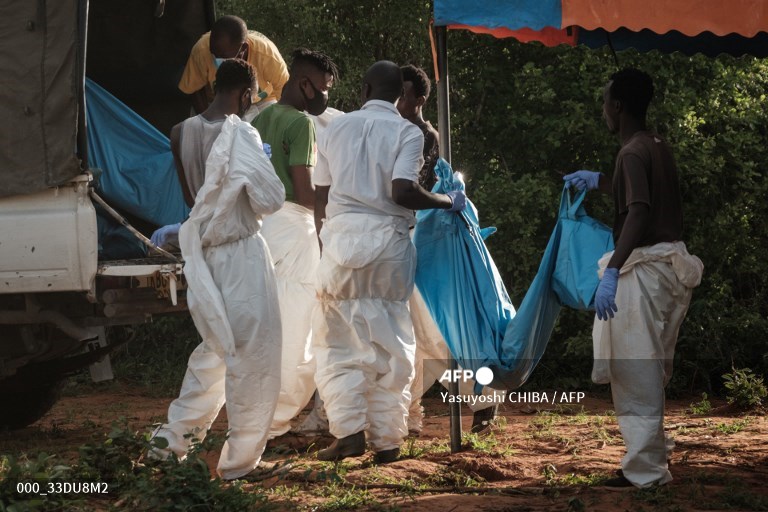
During a joint oversight visit to Malindi Sub-County Hospital by Senate committees, Kilifi County Executive Committee Member for Health, Peter Mwarogo, confirmed that the Directorate of Criminal Investigations (DCI) had concluded its inquiries into the remains. Mwarogo stated that the DCI had granted the county permission to initiate the burial process for the 443 bodies and body parts recovered during the extensive Shakahola exhumation exercise. This clearance marks a significant step in the county's plan to manage the large number of deceased.
Out of the 443 remains, only 14 had been successfully identified by relatives at the time of the announcement, leaving a substantial majority still unclaimed. The Kilifi County government has identified a specific parcel of land near Shakahola for the mass burial. However, Mwarogo emphasized that the process would strictly adhere to the legal requirements governing unclaimed bodies, ensuring that due process is followed before any interment takes place.
As part of these legal requirements, the county issued a Gazette notice, providing relatives a 21-day window to come forward and claim the remains. Following the expiration of this notice period, officials plan to petition the court for the necessary authority to proceed with the burial. Crucially, the county intends to inter the remains in a manner that would still allow for future identification, should new information or claimants emerge, acknowledging the long-term implications of the Kenya Shakahola victims identification challenge.
Legislative Scrutiny and Identification Gaps
The proposed burial plan, particularly the reliance on a Gazette notice for public outreach, has drawn criticism from other senators. Elgeyo-Marakwet Senator William Kisang questioned the efficacy of such notices, highlighting that many families searching for missing relatives might not see government publications. He pressed for additional measures to ensure broader communication with affected communities. Nominated Senator Fatuma Shakila echoed these concerns, advocating for a more extensive public awareness campaign utilizing various media platforms, including television, radio, newspapers, and social media, to enhance Kenya Shakahola victims identification efforts.
These concerns form the core of Senator Sifuna's request for a Senate statement. Beyond the status of DNA profiling, he seeks confirmation that families have been afforded adequate time and support to identify and claim their relatives. Furthermore, Senator Sifuna is pressing for assurances that none of the 443 remains are still required as evidence in the ongoing criminal investigations, a critical aspect for preserving judicial integrity. The Shakahola forensic examination status remains a central point of inquiry.
Senator Edwin Sifuna also requested an update on the broader recovery operations at the Shakahola complex. He aims to ascertain whether authorities have determined if additional human remains could still be present at the site, underscoring the comprehensive nature of the ongoing tragedy and the need for thoroughness in all aspects of the investigation and recovery.
The Enduring Legacy of the Shakahola Tragedy
The backdrop to this debate is the continuing legal proceedings stemming from the Shakahola deaths, which first came to light in 2023. These tragic events unfolded after authorities uncovered mass graves linked to followers of controversial preacher Paul Nthenge Mackenzie. The handling of the Paul Nthenge Mackenzie cult remains is not merely an administrative task but is deeply intertwined with the pursuit of justice for the victims and their families.
The meticulous identification of each victim is paramount, not only for providing closure to grieving families but also for its potential evidentiary value in the ongoing criminal cases. The Senate’s Ad Hoc Committee on Shakahola, established in 2023, concluded its mandate after tabling its final report in October 2023, rather than continuing to oversee various aspects of the tragedy. The proper management of the Kilifi County unclaimed bodies legal process is therefore crucial to upholding legal and ethical standards in the face of such a profound humanitarian crisis.
Practical Implications
This development highlights the critical legal and ethical considerations for handling mass unclaimed remains, particularly the need for exhaustive forensic identification and adherence to due process (Gazette notices, court orders) before interment. Lawyers advising families or involved in related criminal proceedings should monitor the identification status to ensure evidence preservation and proper closure, while compliance officers must ensure strict adherence to legal protocols for unclaimed bodies to avoid future legal challenges.
Source
How does this affect you?
Get an AI analysis of this article grounded in your jurisdictions, practice areas, and any policy documents you've uploaded to Wansom.
Finish Reading the Full Story and the Expert Analysis.
Get the latest legal & regulatory intelligence in Kenya
Wansom is AI and can make mistakes.