
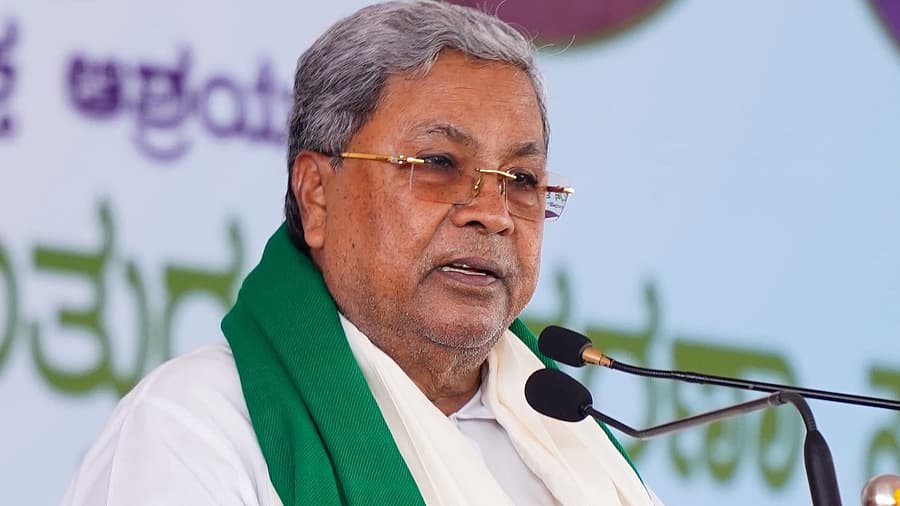
Siddaramaiah Defamation Suit: Bengaluru Court Considers Media Injunction
Summary
- Former Karnataka Chief Minister Siddaramaiah has filed a defamation suit against 42 media organizations and digital platforms.
- The suit seeks to restrain the publication and circulation of videos allegedly linking him to a honey-trap controversy.
- Defendants include major tech companies like YouTube, Google, Facebook, and various Indian media outlets, including Freedom TV Kannada and Karnataka Honey Trap.
- Additional City Civil and Sessions Judge B Pushpanjali has reserved orders on an application for interim injunctions.
- The Bengaluru City Civil and Sessions Court is scheduled to pronounce its order on October 13 regarding the interim relief sought.
What Happened
The forthcoming order from the Bengaluru Civil Sessions Court on October 13 holds significant implications for both media organizations and digital platforms operating in India.
Former Karnataka Chief Minister Siddaramaiah has initiated legal proceedings by filing a defamation suit before the Bengaluru City Civil and Sessions Court. This action targets a substantial group of 42 defendants, encompassing various media organizations, digital platforms, and other entities. The core of the suit revolves around efforts to prevent the publication and circulation of videos that purportedly connect the former Chief Minister to a "honey-trap" controversy.
The legal challenge specifically seeks a permanent injunction to prohibit the defendants from broadcasting, publishing, or sharing two particular videos. This restraint would also extend to any related clips, screenshots, transcripts, or reports that reproduce the allegations contained within these videos. Furthermore, Siddaramaiah has requested a court order mandating the removal of these videos and compelling the relevant digital platforms to disable access to the contentious content. The initial video at the heart of the dispute, titled “Karnataka Honey Trap Nexus Part 1,” was reportedly uploaded on September 27 by the YouTube channel "Karnataka Honey Trap." Siddaramaiah contends that this video, along with its accompanying description, attempts to implicate him in a blackmail scheme and an alleged honey-trap network.
Legal Context
The Bengaluru City Civil and Sessions Court is currently deliberating on an application for interim directions within this defamation suit. Additional City Civil and Sessions Judge B Pushpanjali has reserved her orders concerning the immediate request to remove the "offending videos" and to halt any further publication. The court's decision on these interim measures is anticipated on October 13. This case highlights the complex landscape of defamation against digital platforms in India, as it involves not only traditional media outlets but also major global tech companies.
Among the 42 entities named as defendants are prominent platforms such as WhatsApp, YouTube LLC, Google India, Yahoo India, and Facebook India, alongside specific media channels like "Freedom TV Kannada" and the YouTube channel "Karnataka Honey Trap," as well as various Kannada and English newspapers and television news channels. The scope of the suit, seeking to restrain publication of media content across such a diverse array of platforms, underscores the challenges in regulating alleged defamatory material in the digital age. The court's approach to granting or denying this interim injunction will set a precedent for how similar "Siddaramaiah defamation suit media injunction" cases might be handled in the future.
Why It Matters
The forthcoming order from the Bengaluru Civil Sessions Court on October 13 holds significant implications for both media organizations and digital platforms operating in India. The decision by Judge B Pushpanjali will offer crucial insights into the judiciary's stance on restraining the publication of alleged defamatory content, particularly when sensitive personal allegations, such as the "Karnataka ex-CM honey-trap allegations," are involved. This ruling will be closely watched by legal professionals and media houses alike, as it will shape the understanding of judicial intervention in content dissemination.
The inclusion of global digital giants like YouTube, Google, and Facebook as defendants in a "Siddaramaiah defamation suit media injunction" case underscores the growing responsibility placed on these platforms for user-generated content. The court's directive, whether it mandates content removal or denies the injunction, will influence how digital platforms manage content moderation and respond to legal challenges concerning alleged defamation. This case, therefore, serves as a critical test for balancing freedom of expression with the protection of individual reputation in the rapidly evolving digital media landscape of India.
Practical Implications
Lawyers advising public figures or media organizations in India should monitor the Bengaluru City Civil and Sessions Court's order on this interim injunction, as it will provide insight into the court's approach to restraining publication of alleged defamatory content, particularly involving digital platforms and sensitive personal allegations.
Source
How does this affect you?
Get an AI analysis of this article grounded in your jurisdictions, practice areas, and any policy documents you've uploaded to Wansom.
Finish Reading the Full Story and the Expert Analysis.
Get the latest legal & regulatory intelligence in India
Wansom is AI and can make mistakes.