
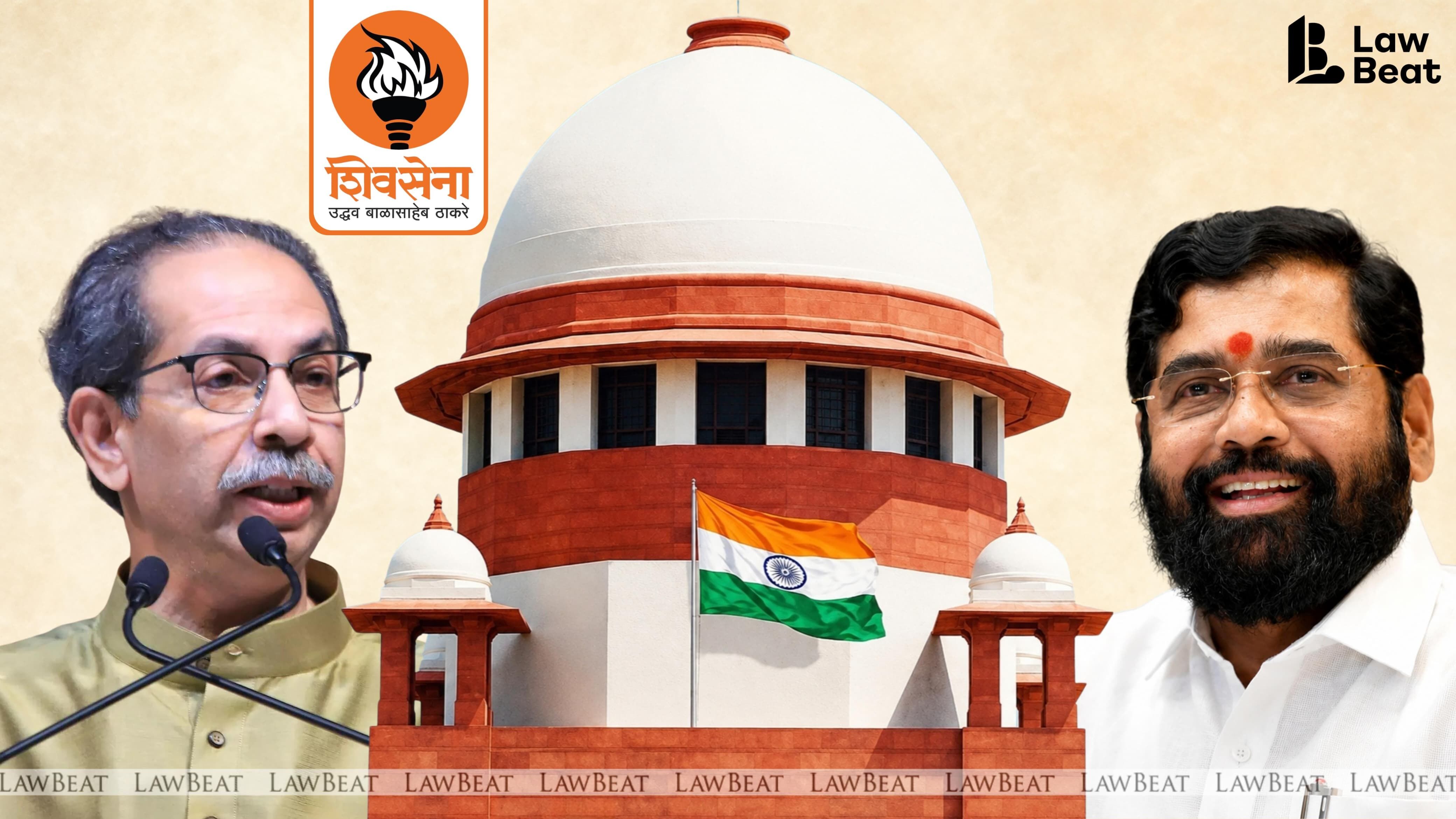
Shiv Sena Merger Challenge Hits Speaker's Decision in India's Supreme Court
Summary
- The Supreme Court has sought replies from respondents on a plea challenging the Lok Sabha Speaker's decision to approve the merger of six Shiv Sena UBT MPs with the Eknath Shinde-led faction.
- The petition argues that the Speaker's decision was unconstitutional and illegal, and raises questions concerning the application of the anti-defection law under the Tenth Schedule of the Constitution.
- The Supreme Court's intervention is likely to provide clarity on the application of the Tenth Schedule and the Speaker's powers under Paragraph 4.
What Happened
The petition argues that the Speaker's decision was unconstitutional and illegal, and raises questions concerning the application of the anti-defection law under the Tenth Schedule of the Constitution.
The Supreme Court has sought replies from respondents on a plea challenging the Lok Sabha Speaker's decision to approve the merger of six Shiv Sena UBT MPs with the Eknath Shinde-led faction. The petition, filed by Shiv Sena (UBT) MP Arvind Ganpat Sawant, argues that the Speaker's decision was unconstitutional and illegal. Senior Advocates Kapil Sibal and Devadutt Kamat appeared for the Shiv Sena (UBT) faction, while Senior Advocate Neeraj Kishan Kaul represented the Shinde faction. The Bench of Justices PS Narasimha and Alok Aradhe heard the plea and directed the respondents to ensure service on unserved parties and listed the matter after two weeks.
The Supreme Court's intervention comes after a series of events, including the issuance of notice on July 22 and the refusal to urgently list a plea on July 21. The Speaker's decision to recognize the merger of six Shiv Sena (UBT) MPs with Eknath Shinde-led Shiv Sena has been challenged by Sawant, who argues that it was ex facie unconstitutional, illegal, and perverse.
Legal Context
The petition raises questions concerning the application of the anti-defection law under the Tenth Schedule of the Constitution. The Tenth Schedule provides for disqualification of members on grounds of defection, but its provisions have been subject to interpretation in various cases. The Speaker's decision to recognize the merger of six Shiv Sena (UBT) MPs with Eknath Shinde-led Shiv Sena has sparked controversy, with some arguing that it was a violation of the anti-defection law. The Supreme Court's intervention is likely to provide clarity on the application of the Tenth Schedule and the Speaker's powers under Paragraph 4.
The matter has significant implications for the parliamentary seats of the affected MPs and their compliance with anti-defection laws. Lawyers representing clients affected by the Shiv Sena merger should watch for potential implications on their clients' parliamentary seats and compliance with anti-defection laws, as the Supreme Court's decision may set a precedent for similar challenges in the future.
Why It Matters
The Supreme Court's decision in this case has far-reaching implications for Indian politics and the functioning of Parliament. The court's interpretation of the anti-defection law under the Tenth Schedule will set a precedent for similar challenges in the future. The Speaker's powers under Paragraph 4 of the Tenth Schedule have been subject to controversy, and the Supreme Court's decision will provide clarity on this issue. The matter also highlights the importance of ensuring that the Speaker's decisions are fair and just, and that all parties are given an opportunity to be heard.
Practical Implications
Lawyers representing clients affected by the Shiv Sena merger should watch for potential implications on their clients' parliamentary seats and compliance with anti-defection laws, as the Supreme Court's decision may set a precedent for similar challenges in the future.
Source
Source: Original reporting via [Source]
How does this affect you?
Get an AI analysis of this article grounded in your jurisdictions, practice areas, and any policy documents you've uploaded to Wansom.
Wansom is AI and can make mistakes.