
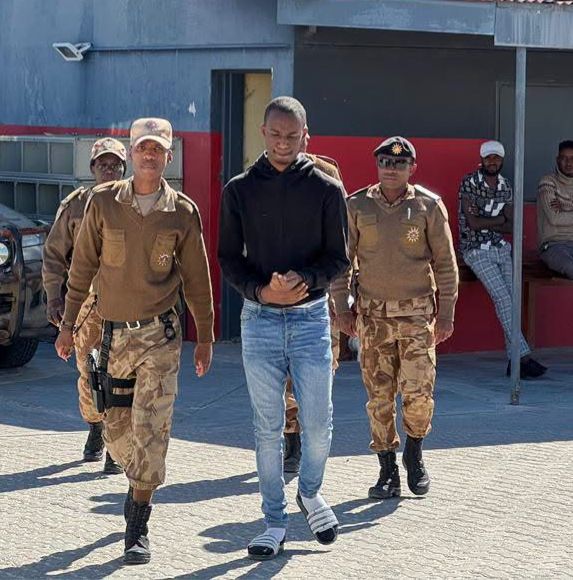
Petrus Shikwaya: Ondangwa Prosecutor Murder Bail Denied
Summary
- Petrus Shikwaya was denied bail in connection with the murder of Ondangwa prosecutor Justine Shiweda.
- He is accused of providing money to purchase the acid allegedly used in the fatal attack.
- Shikwaya faces charges including conspiracy to commit murder in common purpose, murder in common purpose, and defeating or obstructing justice.
- His arrest occurred on November 23 of last year.
Bail Denied in High-Profile Murder Case
This decision underscores the stringent criteria Namibian courts apply to bail applications for serious offenses, particularly in high-profile cases involving public officials.
Petrus Shikwaya, a key figure implicated in the investigation surrounding the murder of Ondangwa prosecutor Justine Shiweda, has been denied bail. The court's decision means Shikwaya will remain in custody as legal proceedings continue in this significant case.
Shikwaya stands accused of a crucial role in the alleged plot, specifically providing funds intended for the purchase of acid. This substance was reportedly used in the attack that ultimately led to the death of the prosecutor. The *Shikwaya bail denial Ondangwa prosecutor murder* case has drawn considerable attention due to the victim's public office and the grave nature of the allegations.
The denial of bail follows Shikwaya's arrest on November 23 of last year. His continued detention underscores the seriousness with which the judiciary is treating the accusations leveled against him, particularly given the high-profile victim and the alleged method of the crime.
Grave Accusations and Legal Framework
The legal framework under which Petrus Shikwaya is being prosecuted involves extremely serious allegations. He faces charges of conspiracy to commit murder in common purpose, a grave accusation implying a premeditated plan involving multiple individuals. This charge, often seen in complex criminal enterprises, suggests a shared intent to commit the ultimate offense.
Additionally, Shikwaya is charged with murder in common purpose, directly linking him to the fatal act itself through shared intent and action, even if he was not the direct perpetrator. These *conspiracy to murder Namibia charges* highlight the collective responsibility ascribed to individuals who act together to commit a crime. A further charge of defeating or obstructing justice has also been leveled against him, suggesting attempts to interfere with the investigative or judicial process, a serious offense in its own right that aims to undermine the rule of law. The combination of these charges paints a picture of a deeply involved individual in the alleged crime.
Implications of the Court's Decision
The denial of bail for Petrus Shikwaya in the *Ondangwa prosecutor murder bail denied* case carries substantial weight, particularly given the high-profile nature of the victim and the severity of the alleged crimes. This outcome in the *Petrus Shikwaya bail application Namibia* underscores the rigorous standards applied by Namibian courts when considering pre-trial release for individuals accused of capital offenses or those involving public officials. The court's decision reflects a careful balancing act between the presumption of innocence and the public interest, including concerns about flight risk, potential interference with witnesses, or the likelihood of further offenses.
This decision underscores the stringent criteria Namibian courts apply to bail applications for serious offenses, particularly in high-profile cases involving public officials. The ongoing *Justine Shiweda murder case update* will continue to be closely watched, as the court's stance on pre-trial detention in such matters sets an important precedent. The judiciary's commitment to ensuring justice in cases involving alleged attempts to subvert the legal system, as implied by the charge of *defeating justice Shikwaya Namibia*, is clearly demonstrated through this ruling.
Practical Implications
This bail denial in a high-profile murder conspiracy case involving a prosecutor underscores the stringent criteria Namibian courts apply to bail applications for serious offenses. Criminal defense lawyers should consider this precedent when advising clients on the viability of bail in similar grave or high-profile matters.
Source
How does this affect you?
Get an AI analysis of this article grounded in your jurisdictions, practice areas, and any policy documents you've uploaded to Wansom.
Finish Reading the Full Story and the Expert Analysis.
Wansom is AI and can make mistakes.