
Mombasa High Court: Shakahola Mass Killings Judgment Kenya Expected
Summary
- Paul Nthenge Mackenzie and 30 co-accused are scheduled to face judgment on October 19 at the Mombasa High Court.
- They were charged with 191 counts of murder, specifically involving the deaths of children.
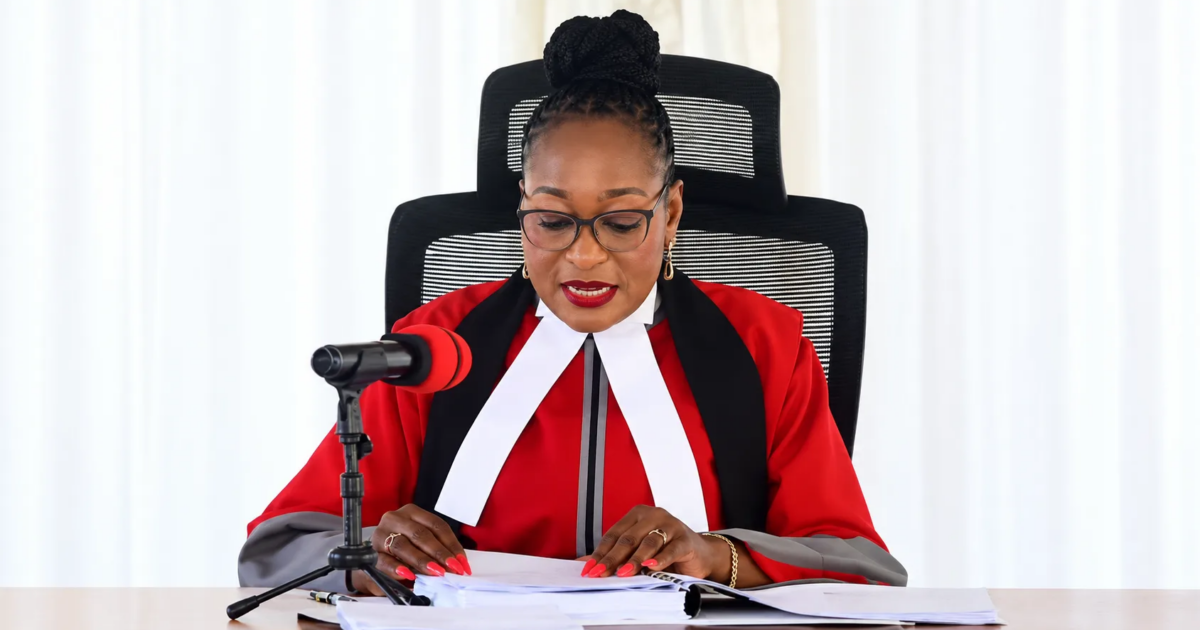
- Justice Diana Kavedza-Mochache presided over the proceedings in the Shakahola mass killings case.
- The judgment followed a protracted trial and investigations conducted in Kilifi County.
- The ruling has drawn national attention, with victims' families awaiting the outcome.
What Happened
Criminal lawyers and human rights advocates are expected to thoroughly analyze the full details of Justice Diana Kavedza-Mochache's judgment.
On October 19, a pivotal moment in Kenya's legal history is scheduled to unfold at the Mombasa High Court. Controversial preacher Paul Nthenge Mackenzie, alongside 30 co-accused individuals, stood awaiting a crucial judgment in the widely publicized Shakahola mass killings case. The proceedings, presided over by Justice Diana Kavedza-Mochache, were poised to deliver a verdict on 191 counts of murder, specifically pertaining to the tragic deaths of children.
The accused, including Mackenzie's wife, were present in court for the highly anticipated ruling. This judgment followed an extensive and protracted trial that had captured national attention since investigations into the deaths began in Kilifi County. The court's primary objective was to determine the culpability of each defendant in relation to the grave charges brought against them, marking a significant step in the pursuit of justice for the victims.
The Legal Proceedings
The legal process leading to this judgment involved a meticulous examination of evidence related to the 191 murder charges. These charges are directly linked to the fatalities of numerous children discovered in Kilifi County, an area that became central to the investigations. The case, often referred to in public discourse as the Paul Mackenzie verdict Shakahola, has been a complex undertaking for the Kenyan judiciary.
Justice Diana Kavedza-Mochache's role in overseeing these proceedings was critical, guiding the court through the intricacies of a case with multiple defendants and a high number of serious allegations. The protracted nature of the trial underscores the challenges inherent in prosecuting such a large-scale criminal matter, particularly one involving alleged mass killings and the involvement of a religious leader associated with the Good News International church case. The court's decision will ultimately clarify the legal responsibility for these devastating events.
National Impact and Legal Implications
The impending Mombasa High Court Shakahola ruling has generated profound national interest, with the families of the victims particularly invested in the outcome. Their long wait for justice underscores the human tragedy at the heart of this case, making the Kenya murder trial outcome a deeply personal and collective concern for many. The judgment is not merely a conclusion to a trial but a moment of reckoning for a nation grappling with the aftermath of such horrific events.
Beyond the immediate impact on the accused and the victims' families, the Shakahola mass killings judgment Kenya holds substantial implications for the country's legal and human rights frameworks. Criminal lawyers and human rights advocates are expected to thoroughly analyze the full details of Justice Diana Kavedza-Mochache's judgment. This detailed scrutiny will be essential for understanding the legal precedents established regarding the prosecution of religious leaders in cases of mass killings, and for interpreting murder charges within complex, high-profile scenarios involving numerous accused parties. The ruling is anticipated to inform future legal strategies and policy considerations in similar circumstances.
Practical Implications
Criminal lawyers and human rights advocates in Kenya should closely analyze the full judgment details to understand the legal precedents established regarding mass killings, the prosecution of religious leaders, and the interpretation of murder charges in complex, high-profile cases involving multiple accused parties.
Source
How does this affect you?
Get an AI analysis of this article grounded in your jurisdictions, practice areas, and any policy documents you've uploaded to Wansom.
Finish Reading the Full Story and the Expert Analysis.
Get the latest legal & regulatory intelligence in Kenya
Wansom is AI and can make mistakes.