
Seventh Circuit TVPA Civil Extraterritoriality: Milwaukee Tool Forced Labor Lawsuit
Summary
- A former Chinese political prisoner is suing Milwaukee Tool Corporation, alleging forced labor in a foreign manufacturing facility.
- The lawsuit, currently before the Seventh Circuit, questions the civil extraterritorial application of the Trafficking Victims Protection Act (TVPA).
- The plaintiff argues a TVPA amendment grants U.S. courts jurisdiction over civil and criminal extraterritorial offenses.
- Milwaukee Tool contends that Congress has not provided clear instruction for the TVPA's civil extraterritorial reach.
- The Seventh Circuit's ruling will clarify potential liability for US companies regarding forced labor in global supply chains.
The Core Dispute
A ruling in favor of the plaintiff could establish a precedent for the TVPA 1589(b) extraterritorial application in civil cases, potentially exposing American corporations to substantial liability for forced labor within their global supply chains.
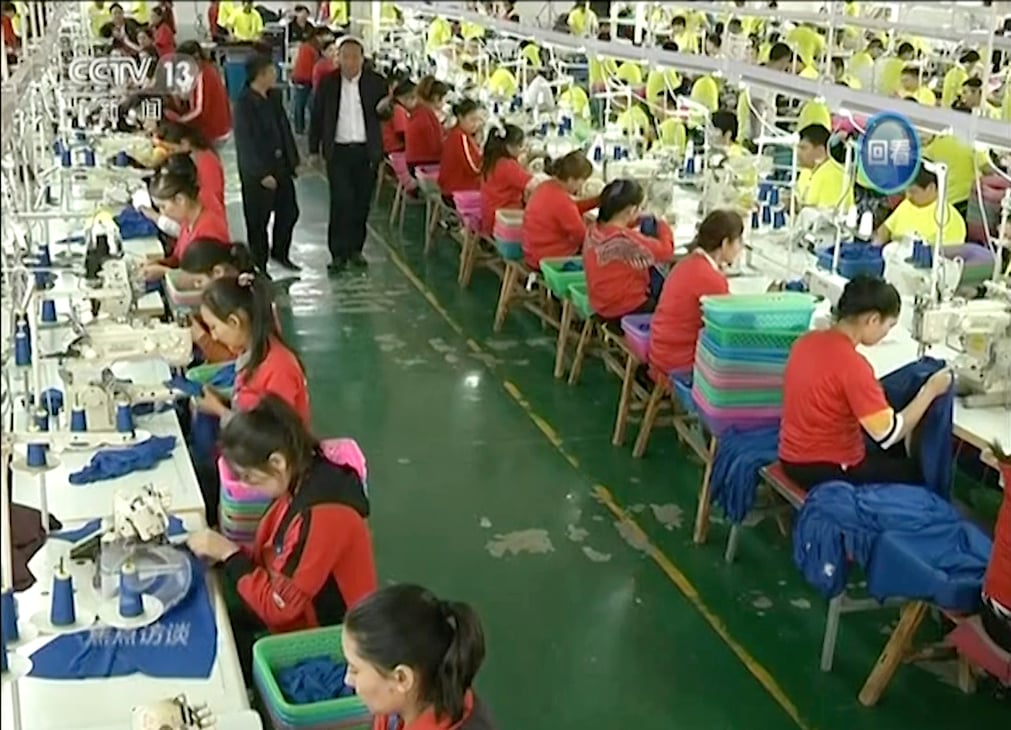
A former political prisoner from China has brought a lawsuit against Milwaukee Tool Corporation, alleging that the Wisconsin-based company should be held accountable for federal forced labor violations. The plaintiff claims he and other prisoners were subjected to grueling conditions in a manufacturing facility, where they were exploited to produce gloves for Milwaukee Tool. This case, currently before the Seventh Circuit Court of Appeals, centers on a critical question: whether the Trafficking Victims Protection Act (TVPA) grants U.S. courts jurisdiction over civil claims of forced labor occurring in American manufacturing facilities abroad.
The plaintiff's legal action is based on subsection 1589(b) of the TVPA, a statute enacted in 2000 to combat modern forms of slavery. This specific provision prohibits "knowingly benefit[ing] ... from participation in a venture which has engaged" in forced labor. A lower court previously ruled that while the TVPA allows the government to exercise extraterritorial jurisdiction in criminal cases, this authority does not extend to civil enforcement of the statute, setting the stage for the current appeal. The Seventh Circuit's decision will clarify the extraterritorial reach of the Trafficking Victims Protection Act for civil claims.
Advocating for Broader Jurisdiction
Jennifer Bennett, representing the plaintiff, argued before the three-judge panel that an amendment to the TVPA explicitly grants U.S. courts extraterritorial jurisdiction over all offenses, whether civil or criminal. Bennett, an attorney with Gupta Wessler LLP, presented two primary reasons for this interpretation, each deemed independently sufficient to overturn the lower court's decision. First, she contended that the lawsuit itself constitutes a domestic application of the statute. Second, even if it were not considered a domestic application, Bennett asserted that the statute's extraterritoriality applies regardless of whether it is enforced criminally or civilly.
Chief U.S. Circuit Judge Michael Brennan questioned whether such an interpretation would allow the civil remedy to extend further and with fewer safeguards than the criminal prosecution it is based upon. Bennett countered that the civil provision applies directly only to the specific predicates prohibited by the statute, ensuring that its extraterritorial reach would not exceed that of the underlying offenses it aims to remedy. She further clarified that the extraterritorial provision is not limited to U.S. citizens but also encompasses companies and individuals with a presence in the United States, emphasizing Congress's intent to address international trafficking comprehensively.
Concerns Over Jurisdictional Limits
Conversely, David Horniak, representing Milwaukee Tool Corporation, maintained that the plaintiff's attorney had incorrectly interpreted the TVPA's extraterritoriality provision as applying to civil remedies. Horniak, an attorney with DLA Piper LLP, argued that for such a significant expansion of jurisdiction, Congress must provide "clear, unmistakable instruction," which he believes is absent in the statute regarding civil actions. He stressed that the court should not strain to find an interpretation that extends the statute's reach to civil cases without explicit legislative guidance.
U.S. Circuit Judge Joshua Kolar expressed reservations regarding the principle of comity, which pertains to the respect and deference courts show to the laws and judicial decisions of other jurisdictions. He referenced a 2019 Fourth Circuit case where a plaintiff sought relief after sexual abuse in the U.S. Embassy in Yemen, highlighting concerns about allowing private parties to "dabble in international relations." Judge Kolar's inquiry underscored the potential diplomatic and international policy implications of broadly applying U.S. law to conduct occurring entirely overseas, particularly when it involves US companies overseas forced labor liability.
Implications for Global Supply Chains
The outcome of this Milwaukee Tool forced labor lawsuit before the Seventh Circuit Court of Appeals carries significant implications for U.S. companies operating internationally. A ruling in favor of the plaintiff could establish a precedent for the TVPA 1589(b) extraterritorial application in civil cases, potentially exposing American corporations to substantial liability for forced labor within their global supply chains. This would necessitate enhanced due diligence and compliance measures for international operations, particularly concerning human rights and labor practices.
The case directly addresses the scope of Trafficking Victims Protection Act jurisdiction, specifically whether U.S. courts can hear civil claims against U.S. entities for alleged forced labor violations committed by their foreign partners or in their overseas facilities. The Seventh Circuit's decision will provide crucial clarity on this jurisdictional question, shaping how US companies manage risks related to human rights abuses in their supply chains and potentially influencing future legislative or judicial interpretations of similar statutes.
Practical Implications
This case will clarify the extraterritorial reach of the Trafficking Victims Protection Act for civil claims, potentially exposing US companies to significant liability for forced labor within their global supply chains. Lawyers must advise clients on enhanced due diligence and compliance measures for international operations, particularly regarding human rights and labor practices, pending the Seventh Circuit's ruling on this critical jurisdictional question.
Source
How does this affect you?
Get an AI analysis of this article grounded in your jurisdictions, practice areas, and any policy documents you've uploaded to Wansom.
Wansom is AI and can make mistakes.