
SERNIC Detém Técnico Aduaneiro Desvio Combustível Beira: Fraude com Documentos Falsos
Summary
- SERNIC, now under the Attorney-General's Office, recently detained a Mozambican customs technician and two Zimbabwean drivers in Beira city.
- The individuals are suspected of attempting to divert approximately 800 milliliters of fuel using falsified documents.
- This operation is part of broader SERNIC investigations into economic crimes and customs fraud in the region.
- The incident highlights SERNIC's active enforcement against illicit activities, including fuel diversion and document falsification.
- The detentions underscore the legal risks associated with bypassing customs procedures through fraudulent means in Mozambique.
Recent Detentions in Beira Highlight Customs Fraud Crackdown
The active enforcement by SERNIC against economic crimes, particularly customs fraud and fuel diversion, sends a strong message to those contemplating similar illicit acts.
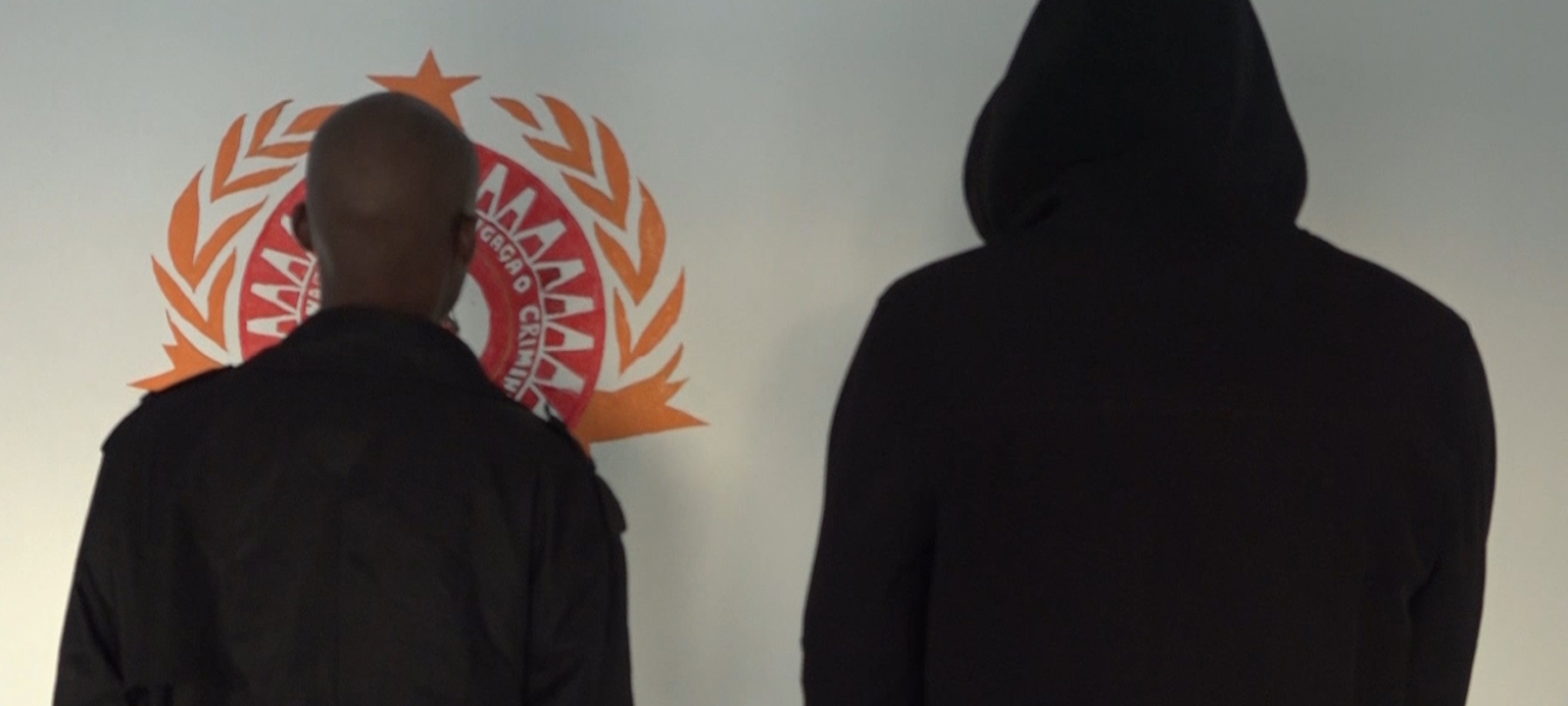
The National Criminal Investigation Service (SERNIC), now operating under the supervision of the Attorney-General's Office since May 2025, recently apprehended a Mozambican customs technician and two Zimbabwean drivers in Beira city. These detentions are linked to an alleged attempt to divert approximately 800 milliliters of fuel, a scheme reportedly facilitated through the use of falsified documents. The operation underscores SERNIC's ongoing efforts to combat economic crimes within the nation's critical port areas.
The individuals were taken into custody this week following an investigation into the attempted fuel diversion. The alleged method involved the presentation of fraudulent paperwork, indicating a sophisticated attempt to circumvent established customs procedures. This incident, involving both a local customs official and foreign nationals, points to potential cross-border elements in the alleged illicit activities.
SERNIC's actions in Beira are not isolated; the agency confirmed that this particular operation stems from broader investigations connected to a prior crime that occurred in the region. This suggests a concerted effort by authorities to dismantle networks involved in such illicit trade, rather than merely addressing isolated incidents. The focus on a customs technician further highlights the vulnerability of official processes to internal compromise.
Legal and Regulatory Framework for Economic Crimes
The detention of a customs technician and two drivers for alleged fuel diversion and the use of falsified documents falls squarely within the purview of economic crimes, a category that SERNIC is mandated to investigate rigorously. In Mozambique, such offenses, particularly those involving customs fraud and the manipulation of official records, carry significant legal penalties. The alleged creation and use of fraudulent documents to facilitate the diversion of goods, even in small quantities, represents a direct challenge to the integrity of the country's customs system.
SERNIC's investigation into customs fraud in Beira is a critical component of maintaining regulatory compliance and preventing illicit trade. The agency's focus on identifying and prosecuting individuals involved in these schemes, including those in positions of authority, demonstrates a commitment to upholding the rule of law. The involvement of a customs official in the alleged attempted diversion of fuel underscores the importance of robust internal controls and continuous oversight within government agencies responsible for trade and revenue collection.
This incident serves as a reminder of the legal risks associated with any attempt to bypass legitimate import, export, or transit procedures through deceptive means. The ongoing nature of SERNIC's investigations into crimes that occurred in the region suggests a proactive approach to uncovering and prosecuting complex economic offenses, including those related to fuel diversion and the broader issue of document falsification in customs processes.
Why This Enforcement Action Matters
This recent SERNIC operation in Beira carries significant implications for both national security and economic stability. The attempted diversion of fuel, even in the reported quantity of approximately 800 milliliters, when coupled with the use of falsified documents, signals a potential weakness in supply chain integrity and customs oversight. For a vital port city like Beira, which serves as a key economic gateway, such incidents can undermine investor confidence and facilitate larger-scale illicit activities.
The active enforcement by SERNIC against economic crimes, particularly customs fraud and fuel diversion, sends a strong message to those contemplating similar illicit acts. The detention of a customs technician in Beira, alongside the Zimbabwean drivers, highlights that no individual, regardless of their position, is immune from investigation when suspected of involvement in such schemes. This proactive stance by SERNIC in investigating and prosecuting crimes involving documentos falsificados aduaneiros in Beira is crucial for safeguarding state revenue and ensuring fair trade practices.
Ultimately, the SERNIC investigation into this attempted fuel diversion in Mozambique and the subsequent detentions underscore the heightened risk environment for businesses operating in sectors susceptible to fraud. It reinforces the necessity for all entities involved in logistics, import/export, and fuel distribution to implement stringent compliance protocols and conduct thorough due diligence, especially when dealing with customs procedures in port cities. The continued vigilance against crimes económicos by SERNIC in Mozambique is vital for fostering a transparent and secure economic environment.
Practical Implications
This incident underscores SERNIC's active enforcement against economic crimes, particularly customs fraud and fuel diversion. Lawyers advising clients in logistics, import/export, or fuel distribution in Mozambique should counsel them on the heightened risk of criminal investigation for document falsification and ensure robust compliance protocols are in place, especially for operations in port cities like Beira.
Source
Source: Original reporting via O País
How does this affect you?
Get an AI analysis of this article grounded in your jurisdictions, practice areas, and any policy documents you've uploaded to Wansom.
Finish Reading the Full Story and the Expert Analysis.
Get the latest legal & regulatory intelligence in Mozambique
Wansom is AI and can make mistakes.