
Thiès Hygiene Chief: Senegal's Food Safety Fines Insufficient
Summary
- Thiès' hygiene chief Captain Armand Seck criticizes fines of 6,000-18,000 FCFA as insufficient.
- Recent inspections in Thiès found many vendors lacking certificates of aptitude for handling food.
- Over 12 tonnes of spoiled food were incinerated in Louga last July, highlighting the need for stricter regulations.
- Seck emphasizes prevention and education over punishment, but calls for revising the Hygiene Code to introduce more severe penalties.
What Happened
The current sanctions may not be sufficient to deter non-compliant vendors, prompting calls for revising the Hygiene Code to introduce stricter penalties.
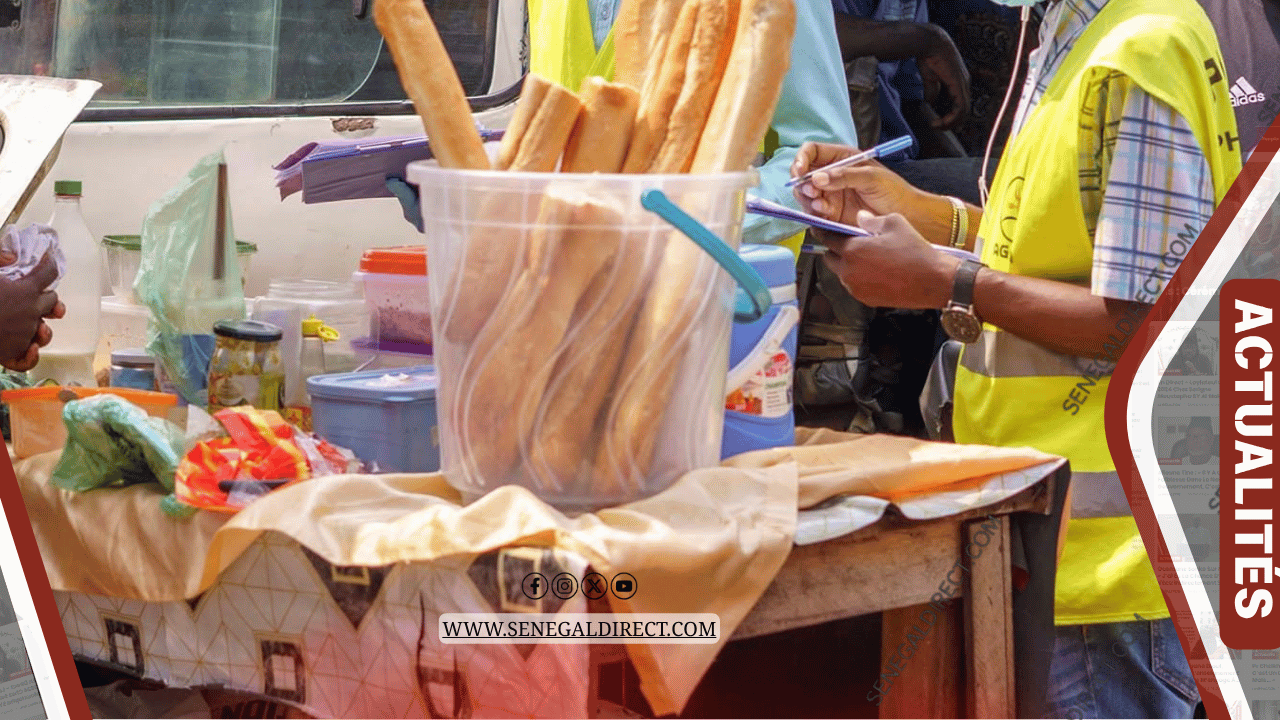
In Thiès, Senegal, the head of the local hygiene brigade, Captain Armand Seck, has expressed concern over the inadequacy of financial penalties imposed on food vendors who fail to comply with sanitary regulations. During recent inspections at the central market, bus station, and Khadimou Rassoul Complex, agents checked for the presence of a certificate of aptitude for handling food, which is renewed every six months after a medical check-up. This document ensures that vendors do not pose a risk to consumers. Inspectors also examined the cleanliness of preparation areas and the quality of products. Seck noted that some merchants, due to lack of information or education, forget to renew their certificates. Initially, agents focus on raising awareness, but fines for hygiene-related offenses in Thiès range from 6,000 to 18,000 FCFA.
Legal Context
The issue extends beyond Thiès, as seen in Louga, where the regional hygiene service incinerated over 12 tonnes of spoiled food worth approximately 15 million FCFA in July last year. Within a 12-month period, more than 22.5 tonnes of expired products were removed from circulation. Seck emphasizes the importance of prevention and educating vendors on good practices. The current sanctions may not be sufficient to deter non-compliant vendors, prompting calls for revising the Hygiene Code to introduce stricter penalties.
Why It Matters
Lawyers advising clients on food sales in Senegal should be aware of the potential for increased fines and penalties under revised hygiene laws. This may impact business operations and compliance obligations. The situation highlights the need for a more effective approach to ensuring food safety, including stricter regulations and enforcement mechanisms. As Seck suggests, revising the Hygiene Code could lead to more substantial sanctions, making it essential for vendors and businesses to adapt to the changing regulatory landscape.
Practical Implications
Lawyers advising clients on food sales in Senegal should be aware of the potential for increased fines and penalties under revised hygiene laws, which may impact business operations and compliance obligations.
Source
How does this affect you?
Get an AI analysis of this article grounded in your jurisdictions, practice areas, and any policy documents you've uploaded to Wansom.
Wansom is AI and can make mistakes.