
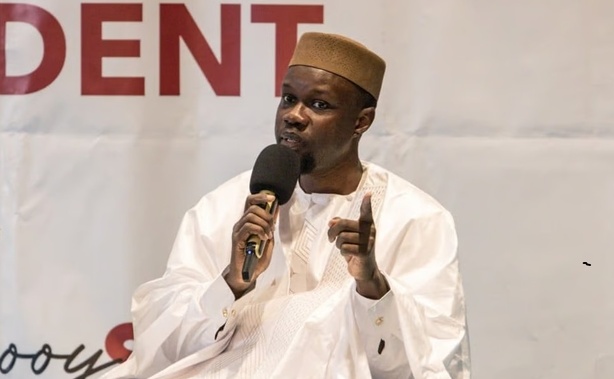
Senegalese Leader Ousmane Sonko Claims State Collects More in Taxes Than Fuel Subsidies
Summary
- Ousmane Sonko claims that taxes account for between 40% and 52% of the price paid by consumers for a liter of gasoline sold at 900 FCFA.
- Sonko argues that the state compensates largely for the amounts allocated to support prices, citing a significant gap between subsidy and tax figures.
- The Senegalese government's handling of fuel subsidies has been subject to scrutiny, with Sonko's statements highlighting the need for a more transparent approach to taxation policies.
What Happened
Sonko argues that the state compensates largely for the amounts allocated to support prices, citing a significant gap between subsidy and tax figures.
Ousmane Sonko, leader of PASTEF and President of the National Assembly, has sparked a debate on fuel subsidies in Senegal by comparing the actual amount of subsidies to tax revenues from hydrocarbon products. According to Sonko, taxes account for between 40% and 52% of the price paid by consumers for a liter of gasoline sold at 900 FCFA. He argues that the state compensates largely for the amounts allocated to support prices, citing a significant gap between subsidy and tax figures.
Sonko's claims are based on data from 2021, where he notes that subsidies totaled 212 billion FCFA while taxes reached 450 billion FCFA, resulting in an imbalance of 237 billion. For 2024, he projects 467 billion in subsidies and 682 billion in tax revenues, with a similar discrepancy. In 2025, Sonko estimates 380 billion in subsidies against 765 billion in taxes.
Legal Context
The debate on fuel taxes in Senegal has implications for the pricing of hydrocarbons at the pump. Sonko's proposal to reduce taxation aims to facilitate a decrease in fuel prices, which could have far-reaching consequences for businesses and consumers alike. The complex interplay between taxation policies and their impact on fuel prices is an area that lawyers and compliance officers should closely monitor.
The Senegalese government's handling of fuel subsidies has been subject to scrutiny, with Sonko's statements highlighting the need for a more transparent approach to taxation policies. As the debate continues, it remains to be seen how the government will respond to these claims and whether any changes will be implemented to address the perceived imbalance between subsidies and taxes.
Why It Matters
Sonko's assertions have significant implications for businesses operating in Senegal, particularly those involved in the fuel industry. As taxation policies continue to evolve, companies must stay informed about potential changes that could affect their operations and client advisement. The ongoing debate on fuel subsidies serves as a reminder of the importance of closely monitoring regulatory developments and adapting business strategies accordingly.
The Senegalese government's approach to taxation policies will undoubtedly have far-reaching consequences for the country's economy, making it essential for stakeholders to engage in an informed discussion about the best course of action. As the debate continues, one thing is clear: the future of fuel subsidies in Senegal remains uncertain.
Practical Implications
Lawyers and compliance officers should watch for potential changes to taxation policies and their impact on fuel prices, which may affect business operations and client advisement.
Source
Source: Original reporting via [Source]
How does this affect you?
Get an AI analysis of this article grounded in your jurisdictions, practice areas, and any policy documents you've uploaded to Wansom.
Wansom is AI and can make mistakes.